April 10, 2022
2 mins read

Indian apparel Industry staring at Lankan crisis

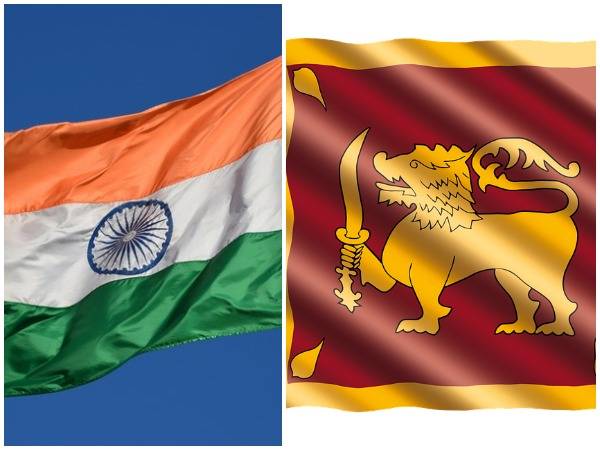
Production in Sri Lanka of hosiery items for exports has been affected due to several hours of power cut, diesel shortage and people suffering from high prices of essential commodities….reports Asian Lite News

The economic crisis in Sri Lanka may benefit the Indian apparel industry in a small way but it will be the removal of import duty on cotton that may change the industry fortunes, said a Tamil Nadu exporters group official.

The Tiruppur Exporters Association (TEA) President Raja A. Shanmugham also said that Sri Lankan garment companies having production bases in India may execute their orders out of their Indian units.

Production in Sri Lanka of hosiery items for exports has been affected due to several hours of power cut, diesel shortage and people suffering from high prices of essential commodities.

Will there be a positive rub off effect for the Indian units?

“There may not be a major inflow of orders for units in Tiruppur owing to high cotton and yarn prices. The international brands may shift their sourcing to countries like Bangladesh and Vietnam,” Shanmugham told IANS.

Hoping that the Central government would scrap the 11 per cent import duty on cotton, he added that some spill over orders may come to Indian garment makers as other countries may have production constraints.

He said the cotton traders are increasing their rates, owing to the 11 per cent import duty which, in turn, makes the domestic garment units uncompetitive in the international markets.

Shanmugham said some Sri Lankan garment units have their production subsidiaries in India, and such Sri Lankan companies may execute their orders out of their Indian units.
Queried on the outsourcing opportunity for units in Tiruppur (including the 100 per cent export oriented units), like executing orders bagged by Sri Lankan companies, Shanmugham said it is early to comment on that.

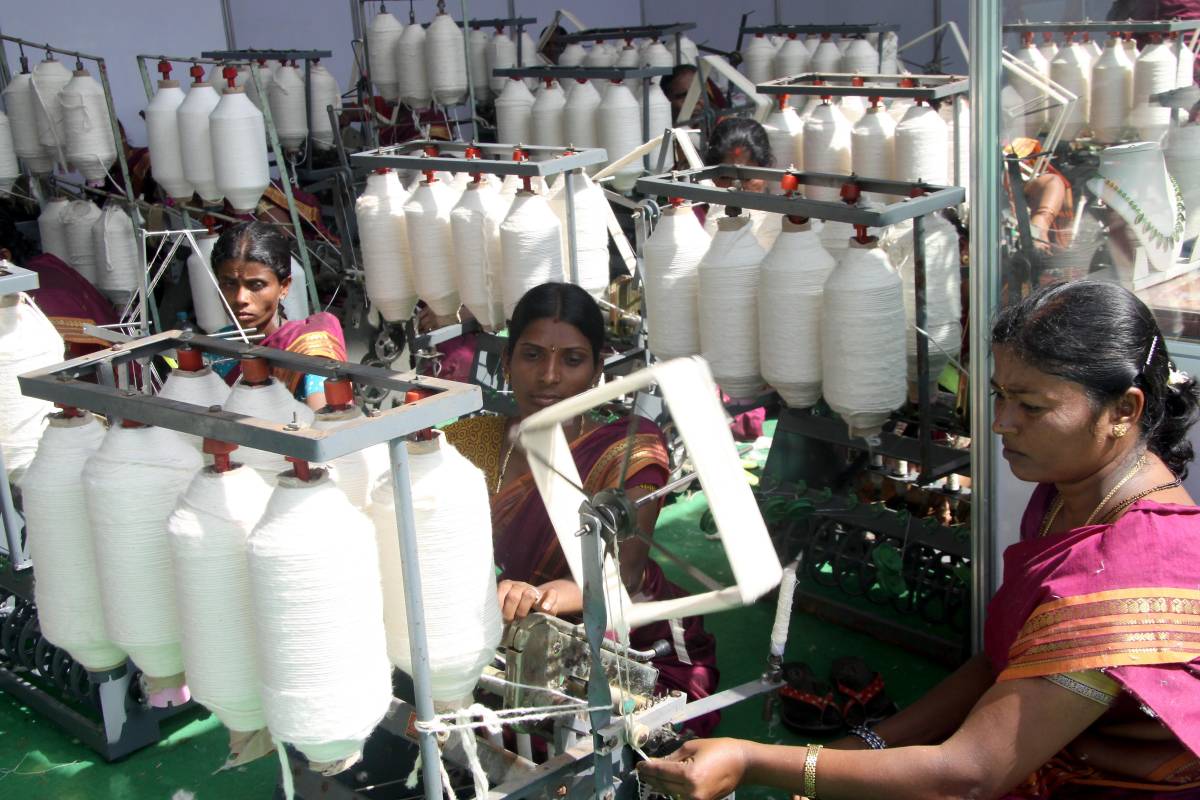
Tiruppur, termed as the hosiery capital of India, ships out about Rs 32,000 crore worth of garments and about Rs 30,000 crore of goods for the Indian market.

While some diversion of Sril Lankan garment orders is expected to India, a small group of people from the island nation have sought refuge in Tamil Nadu.

According to the Tamil Nadu government, 16 Lankans (three male, five women, seven children and one four-month-old baby) landed in Tamil Nadu owing to the economic crisis in the island nation.

The Sri Lankans told the authorities that they were not able to afford the essential items as their prices zoomed up and beyond their reach.

They have been lodged at the transit camp in Mandapam near Rameswaram in Ramanathapuram district.

Tamil Nadu Chief Minister M.K. Stalin has urged Prime Minister Narendra Modi to permit the state government to provide essential commodities and life-saving medicines to the Sri Lankan Tamils.

This is the second time the DMK government is trying to get into the sphere of Central government activity.

Earlier, the DMK government had announced four DMK leaders and four bureaucrats would go to Ukraine’s neighbouring countries to coordinate and bring back Indian students from the war-torn country.
ALSO READ: Lanka appoints new central bank chief amid crisis

Previous Story

Saudi announces return of Ambassador to Lebanon

Next Story

Rishi Sunak demands probe over wife Akshata Murty’s tax leak

Previous Story

Saudi announces return of Ambassador to Lebanon

Next Story

Rishi Sunak demands probe over wife Akshata Murty’s tax leak

Latest from -Top News

Pakistan Risks Overstretching Itself in Yemen War

Pakistan’s expanding military role in Saudi Arabia amid the Yemen conflict could strain its defence resources and fragile finances…reports Asian Lite News Desk Pakistan’s military involvement in the war in Yemen may prove unsustainable because of mounting financial pressures and competing security demands, according to a new report. Islamabad’s growing military presence in Saudi Arabia risks stretching its defence resources while exposing the country to greater strategic and economic challenges. An article by Andrew Wilson in One World Outlook describes Pakistan’s involvement as a case of “fiscal and strategic overreach”, arguing that the country lacks the financial flexibility to sustain an expanded military commitment. Pakistan’s external finances depend heavily on an International Monetary Fund (IMF) programme, financial support from Gulf countries and remittances from Pakistani workers in the region. The report argues that deeper military involvement in the conflict could place additional pressure on these sources of financial stability. It also warns that deploying troops and military equipment abroad could weaken Pakistan’s capacity to address security challenges along its eastern border and deal with two domestic insurgencies. The move could also draw Islamabad into a conflict it has sought to approach cautiously. A Reuters report in May, citing Pakistani security and government sources, said Islamabad had deployed around 8,000 troops, a squadron of approximately 16 aircraft, mostly JF-17 fighter jets, two drone squadrons and a Chinese HQ-9 air-defence battery to Saudi Arabia. According to those sources, Riyadh was financing the deployment, with Pakistani personnel operating the equipment. The sources also said a confidential agreement contemplated the possibility of deploying up to 80,000 troops. Islamabad has not confirmed those figures, although it has acknowledged its military presence in Saudi Arabia, including the deployment of fighter jets at King Abdulaziz Air Base from April. The One World Outlook article argues that Saudi financial support can cover allowances and operating expenses but cannot easily replace military equipment needed elsewhere or resolve the political and strategic challenges of participating in the Yemen conflict. Pakistan’s defence budget is another concern. For the 2026-27 financial year, the federal government allocated PKR 3 trillion, or approximately $10.8 billion, to defence services. The allocation represents an 18 per cent increase from the original PKR 2.55 trillion provision and amounts to around 2.1 per cent of projected gross domestic product (GDP). Defence spending accounts for approximately 16 per cent of the federal government’s PKR 18.8 trillion expenditure. Military pensions are budgeted separately at PKR 822 billion, while debt servicing costs stand at approximately PKR 8 trillion, more than two-and-a-half times the defence allocation. The report argues that these competing financial obligations leave little room for additional military expenditure without placing further pressure on public finances. Pakistan’s reliance on IMF assistance also limits its fiscal flexibility. The country must meet the conditions attached to the programme, including a primary budget surplus target of 2 per cent of GDP and continued restraint on development spending. According to the article, these requirements make it difficult for Islamabad to finance an additional military commitment without compromising other budgetary priorities. Pakistan’s economic indicators offer limited reassurance. Economic growth for the 2025-26 financial year is estimated at between 3.6 and 3.7 per cent, while inflation reached approximately 10.3 per cent in September following an energy price shock. Foreign exchange reserves stood at around $21.5 billion at the end of September. Although this marks an improvement from the low levels recorded in 2023, the report notes that the reserves cover only a few months of imports. Financial assistance from Gulf partners remains central to Pakistan’s external stability. The article says Islamabad holds approximately $8 billion in Saudi deposits at its central bank. In July, the State Bank of Pakistan said Riyadh had extended the maturity of $5 billion in deposits to December 2028, easing the country’s immediate external financing requirements. A further $3 billion deposit was also extended in the spring. However, the article argues that these arrangements provide temporary relief rather than long-term financial independence, particularly as regional conflict threatens the stability of the Gulf economies on which Pakistan relies. The report concludes that Pakistan faces a difficult balance between supporting Saudi Arabia militarily and preserving the financial and military resources needed to address its domestic and regional challenges.
Go toTop

Don't Miss

India, Gabon discuss boosting defence, maritime ties

Earlier, in May 2022, former Vice President M Venkaiah Naidu

Battle lines drawn for Haryana polls

With nominations closing soon, battle lines are drawn in Haryana