January 3, 2025
3 mins read

India Hits $1 Trillion FDI Milestone

Between April 2014 and September 2024, India attracted USD 709 billion in FDI, accounting for 69% of the total inflows since 2000.

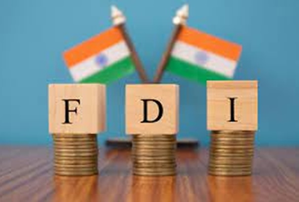
India has reached a remarkable economic milestone, with Foreign Direct Investment (FDI) inflows surpassing USD 1 trillion since April 2000. This achievement underscores India’s growing appeal as a global investment hub, driven by robust economic growth, progressive reforms, and expanding market potential.

Between April 2014 and September 2024, India attracted USD 709 billion in FDI, accounting for 69% of the total inflows since 2000. This surge highlights India’s ability to sustain and enhance its attractiveness to international investors. In the first half of fiscal year 2024-25, FDI inflows saw a significant 26% increase, reaching USD 42.1 billion, further cementing India’s position as a key player in the global economic landscape.

Key Drivers of FDI Growth

India’s success in attracting FDI stems from a combination of improved competitiveness, innovation, policy reforms, and a favorable business environment.

Improved Competitiveness and Innovation
India’s enhanced global competitiveness has been a significant driver of FDI inflows. In the World Competitiveness Index 2024, India climbed to 40th place, up from 43rd in 2021. Similarly, its ranking in the Global Innovation Index improved from 81st in 2015 to 40th in 2023. These advancements highlight India’s progress in fostering innovation and strengthening its technological capabilities.
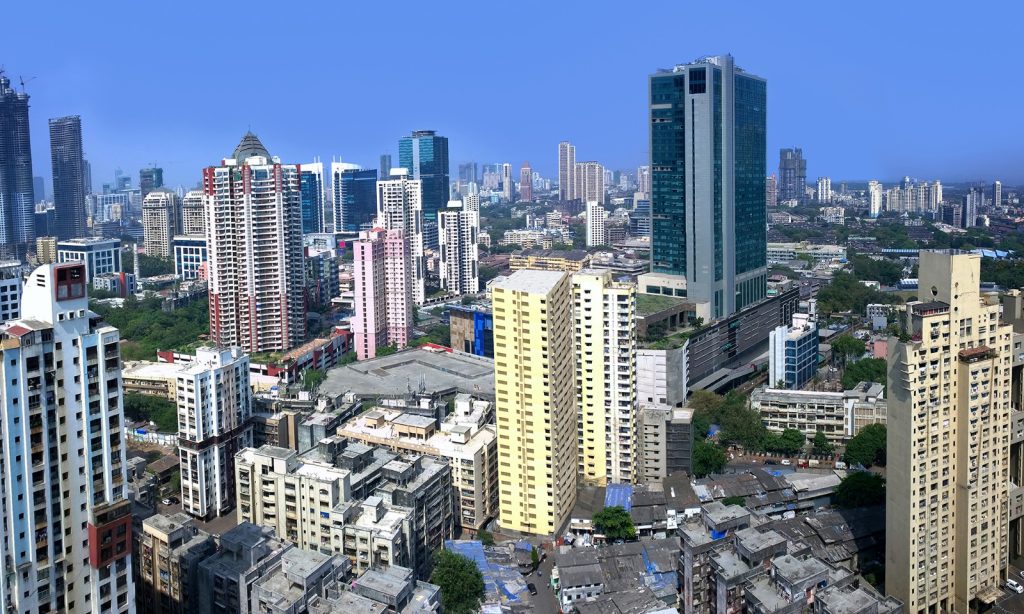
Key sectors like Information Technology (IT), biotechnology, and renewable energy have played a pivotal role in attracting FDI. The growth of these industries has positioned India as a dynamic and innovative investment destination.

Global Investment Standing
According to the World Investment Report 2023, India ranked as the third-largest recipient of greenfield projects, with 1,008 announcements, and the second-largest recipient of international project finance deals, witnessing a 64% increase. These indicators reflect long-term investor confidence and the country’s strengthening global investment standing.

Enhanced Business Environment
India’s efforts to improve its business environment have significantly contributed to its FDI growth. The World Bank’s Doing Business Report noted India’s leap from 142nd place in 2014 to 63rd in 2020. Reforms in labor laws, bankruptcy regulations, and the introduction of the Goods and Services Tax (GST) have streamlined operations, reducing challenges for foreign investors.

Proactive Policy Reforms
The government’s liberalization of FDI norms in sectors like defense, telecom, and retail has been instrumental in attracting investments. Initiatives like “Make in India” have boosted manufacturing, while amendments to tax policies, such as abolishing the angel tax, have created a more investor-friendly environment. Additionally, measures to promote foreign investment in the space sector have diversified opportunities for global investors.

Strategic Sectors Driving FDI

India’s ability to attract FDI across diverse sectors has strengthened its global economic standing. Key sectors include:

Manufacturing and Infrastructure: The “Make in India” initiative has spurred investments in electronics, automobiles, and consumer goods.

Information Technology and Services: The IT sector remains a major draw for foreign investors.
Renewable Energy: India’s push for clean energy has led to increased investments in solar and wind energy.

Pharmaceuticals and Biotechnology: India’s pharmaceutical industry continues to attract significant foreign investments due to its growing domestic market and export potential.

Looking Ahead

India’s USD 1 trillion FDI milestone reflects its transformation into a major global economic player. The 26% rise in FDI inflows during the first half of FY 2024-25 highlights its sustained appeal. With ongoing policy reforms, a competitive labor market, and focus on high-growth sectors like renewable energy and space exploration, India is poised to shape global economic trends and foster sustainable growth in the years to come.

ALSO READ: India’s Balanced Middle East Stance 
Newsdesk

Newsdesk

Aravind Rajeev is Deputy News Editor at Asian Lite, mostly covering the Middle East and GCC. He has over eight years of experience as a journalist, with a background in ground-level reporting, crime reporting, as well as international and regional news.

Previous Story

Maha Kumbh 2025: Festivities Begin

Next Story

‘Mission Grey House’ Offers Unmatched Suspense

Previous Story

Maha Kumbh 2025: Festivities Begin

Next Story

‘Mission Grey House’ Offers Unmatched Suspense

Latest from -Top News

Pakistan Risks Overstretching Itself in Yemen War

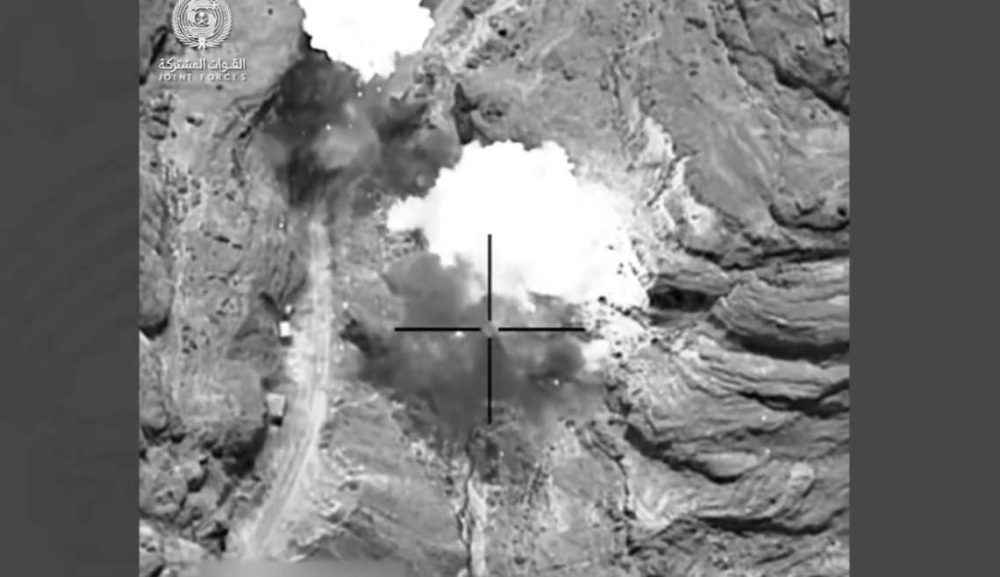
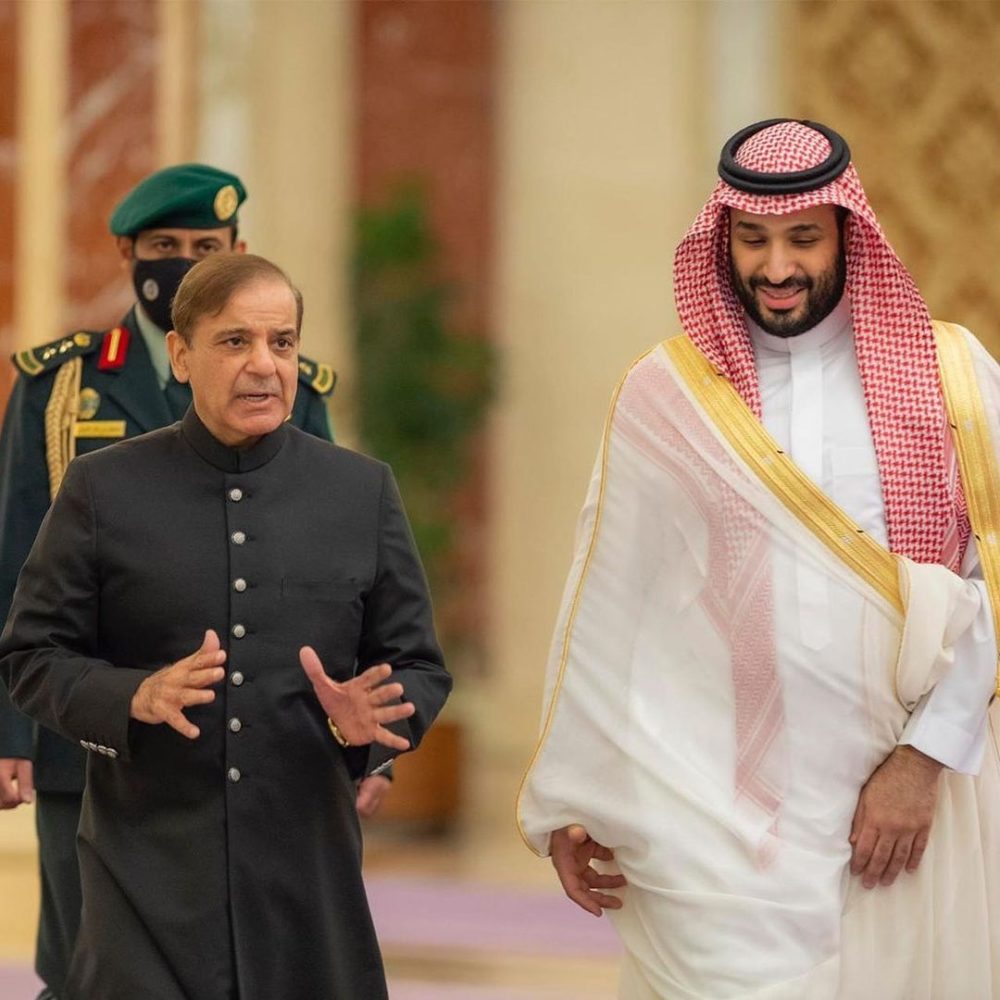
Pakistan’s expanding military role in Saudi Arabia amid the Yemen conflict could strain its defence resources and fragile finances…reports Asian Lite News Desk Pakistan’s military involvement in the war in Yemen may prove unsustainable because of mounting financial pressures and competing security demands, according to a new report. Islamabad’s growing military presence in Saudi Arabia risks stretching its defence resources while exposing the country to greater strategic and economic challenges. An article by Andrew Wilson in One World Outlook describes Pakistan’s involvement as a case of “fiscal and strategic overreach”, arguing that the country lacks the financial flexibility to sustain an expanded military commitment. Pakistan’s external finances depend heavily on an International Monetary Fund (IMF) programme, financial support from Gulf countries and remittances from Pakistani workers in the region. The report argues that deeper military involvement in the conflict could place additional pressure on these sources of financial stability. It also warns that deploying troops and military equipment abroad could weaken Pakistan’s capacity to address security challenges along its eastern border and deal with two domestic insurgencies. The move could also draw Islamabad into a conflict it has sought to approach cautiously. A Reuters report in May, citing Pakistani security and government sources, said Islamabad had deployed around 8,000 troops, a squadron of approximately 16 aircraft, mostly JF-17 fighter jets, two drone squadrons and a Chinese HQ-9 air-defence battery to Saudi Arabia. According to those sources, Riyadh was financing the deployment, with Pakistani personnel operating the equipment. The sources also said a confidential agreement contemplated the possibility of deploying up to 80,000 troops. Islamabad has not confirmed those figures, although it has acknowledged its military presence in Saudi Arabia, including the deployment of fighter jets at King Abdulaziz Air Base from April. The One World Outlook article argues that Saudi financial support can cover allowances and operating expenses but cannot easily replace military equipment needed elsewhere or resolve the political and strategic challenges of participating in the Yemen conflict. Pakistan’s defence budget is another concern. For the 2026-27 financial year, the federal government allocated PKR 3 trillion, or approximately $10.8 billion, to defence services. The allocation represents an 18 per cent increase from the original PKR 2.55 trillion provision and amounts to around 2.1 per cent of projected gross domestic product (GDP). Defence spending accounts for approximately 16 per cent of the federal government’s PKR 18.8 trillion expenditure. Military pensions are budgeted separately at PKR 822 billion, while debt servicing costs stand at approximately PKR 8 trillion, more than two-and-a-half times the defence allocation. The report argues that these competing financial obligations leave little room for additional military expenditure without placing further pressure on public finances. Pakistan’s reliance on IMF assistance also limits its fiscal flexibility. The country must meet the conditions attached to the programme, including a primary budget surplus target of 2 per cent of GDP and continued restraint on development spending. According to the article, these requirements make it difficult for Islamabad to finance an additional military commitment without compromising other budgetary priorities. Pakistan’s economic indicators offer limited reassurance. Economic growth for the 2025-26 financial year is estimated at between 3.6 and 3.7 per cent, while inflation reached approximately 10.3 per cent in September following an energy price shock. Foreign exchange reserves stood at around $21.5 billion at the end of September. Although this marks an improvement from the low levels recorded in 2023, the report notes that the reserves cover only a few months of imports. Financial assistance from Gulf partners remains central to Pakistan’s external stability. The article says Islamabad holds approximately $8 billion in Saudi deposits at its central bank. In July, the State Bank of Pakistan said Riyadh had extended the maturity of $5 billion in deposits to December 2028, easing the country’s immediate external financing requirements. A further $3 billion deposit was also extended in the spring. However, the article argues that these arrangements provide temporary relief rather than long-term financial independence, particularly as regional conflict threatens the stability of the Gulf economies on which Pakistan relies. The report concludes that Pakistan faces a difficult balance between supporting Saudi Arabia militarily and preserving the financial and military resources needed to address its domestic and regional challenges.
Go toTop

Don't Miss

761 Threats/Min: India’s Cyber Reality

Over 50 per cent of detections are associated with removable

India, Canada look to reset trade partnership

Commerce Minister Piyush Goyal says India and Canada share strong