August 10, 2025
3 mins read

Tel Aviv Demands Gaza Ceasefire

The protests intensified after Prime Minister Benjamin Netanyahu’s office confirmed on Friday that the Security Cabinet had approved a plan for the Israel Defense Forces (IDF) to take over Gaza City.


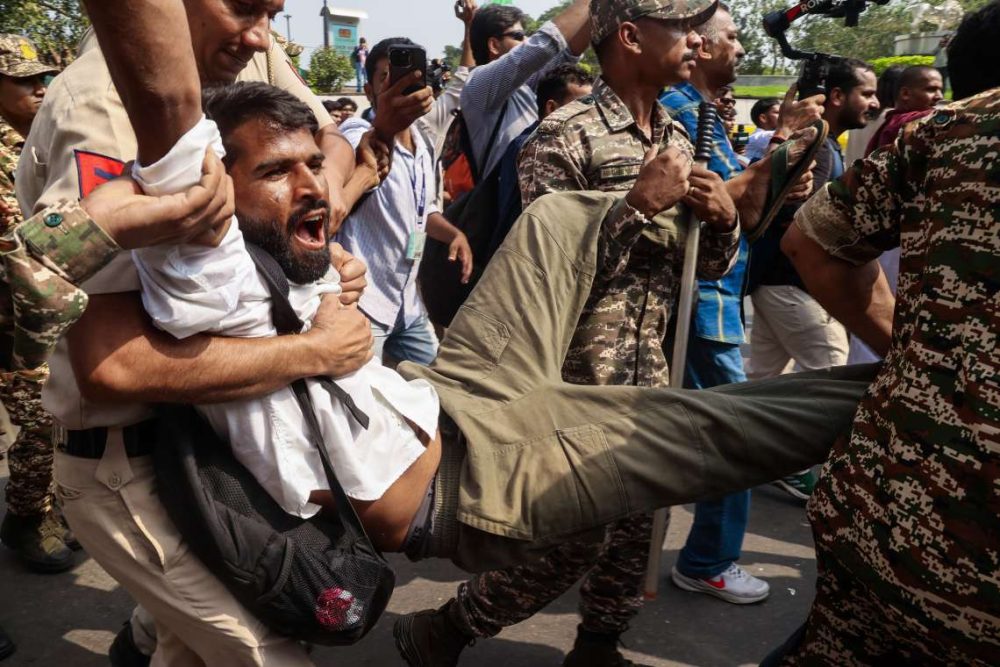
Tens of thousands of Israelis poured into the streets of Tel Aviv on Saturday night, demanding an immediate end to the war in Gaza and the safe return of hostages still held by Hamas. The protest came a day after the Israeli government announced plans to escalate the conflict by seizing Gaza City — a move that has drawn mounting criticism from both the public and political leaders.

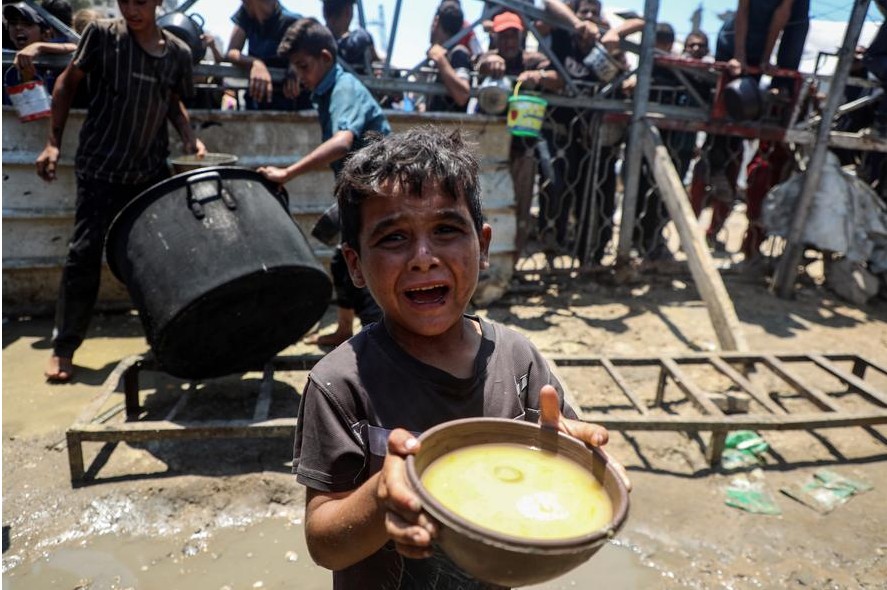
The rally, organized by families of hostages abducted during the Hamas attack of October 7, 2023, saw demonstrators carrying banners, chanting slogans, and holding photographs of their loved ones. The message was clear and urgent: bring them home. Organizers said more than 100,000 people joined the demonstration, which merged calls for a hostage release with growing opposition to Israel’s military campaign in Gaza. Lawyer Dor Eilon, holding an image of a malnourished Gazan child, condemned the humanitarian toll of the war, calling it “immoral to look away.”

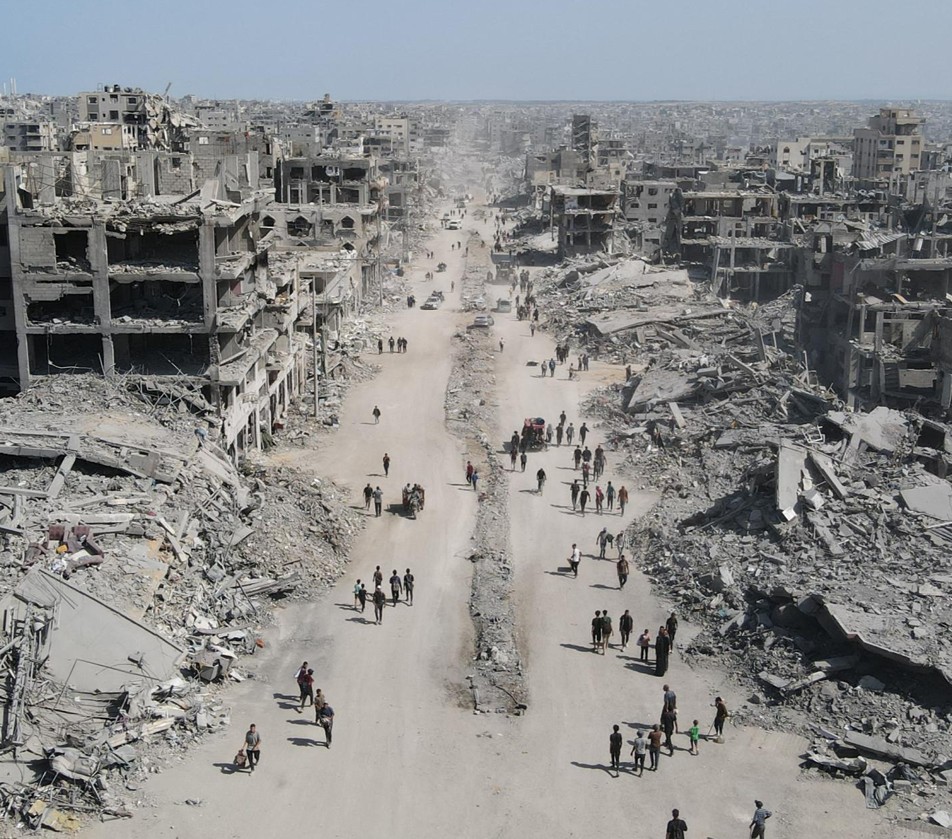
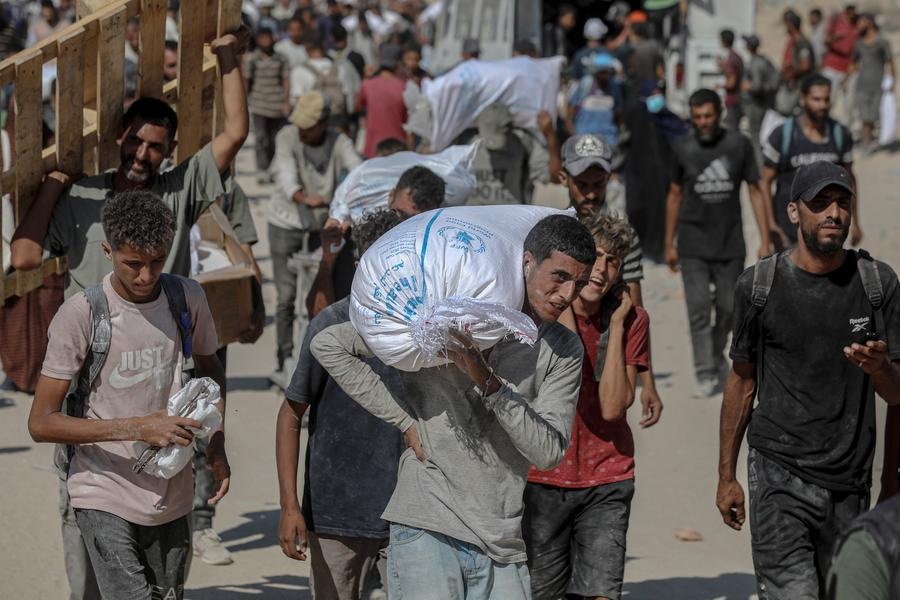
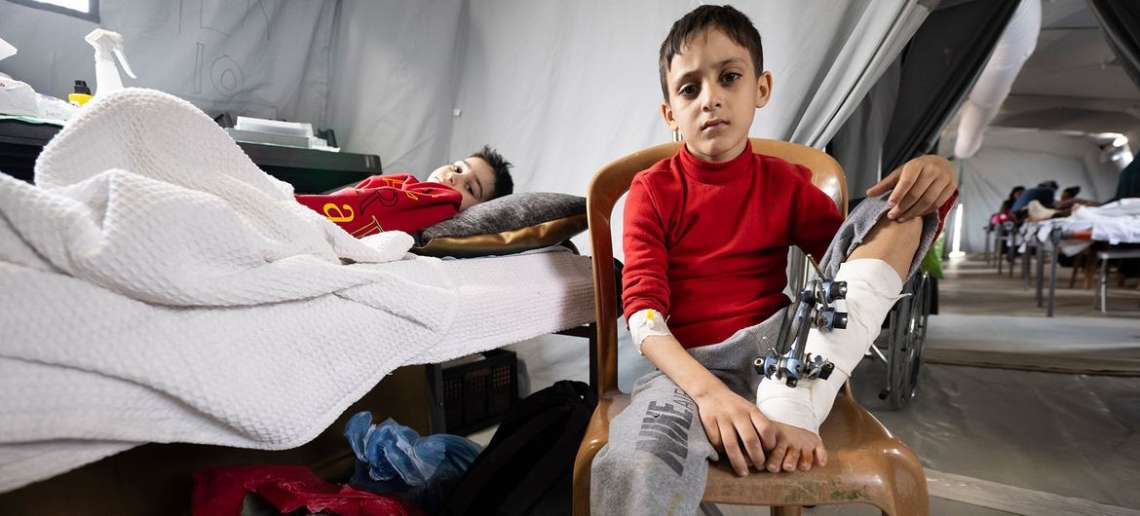
Public opinion polls show a majority of Israelis now favour ending the war immediately and securing the release of the 50 remaining hostages, of whom officials believe only about 20 are still alive. Initially focused solely on freeing hostages, demonstrations in Israel have increasingly expanded to challenge the morality and strategic direction of the Gaza war. Center-left voices and some military experts warn that an expanded ground offensive could endanger both hostages and soldiers while worsening the humanitarian crisis in Gaza, where food shortages are severe.

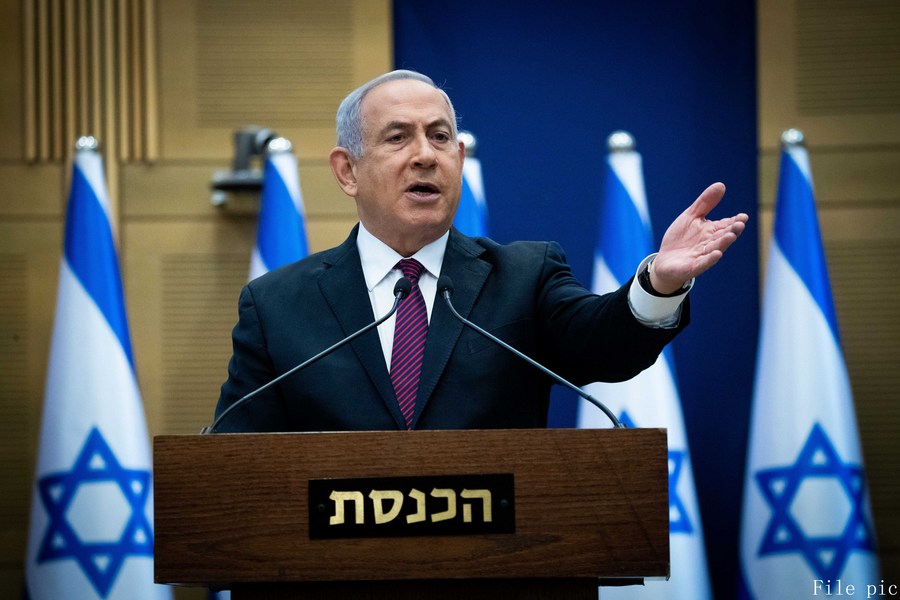
The protests intensified after Prime Minister Benjamin Netanyahu’s office confirmed on Friday that the Security Cabinet had approved a plan for the Israel Defense Forces (IDF) to take over Gaza City. The move would mark a major escalation in a conflict that has already claimed the lives of more than 61,000 Palestinians, according to Gaza’s health ministry, alongside over 1,200 Israelis killed during the October 7 attack. In an attempt to calm concerns, Netanyahu posted on X that Israel had no intention of occupying Gaza. Instead, he pledged to “free Gaza from Hamas,” demilitarise the territory, and install a “peaceful civilian administration” not controlled by Hamas, the Palestinian Authority, or any other armed group. “We are not going to occupy Gaza — we are going to free Gaza from Hamas,” Netanyahu said, adding that humanitarian aid would be provided to civilians outside combat zones. However, opposition leaders dismissed the assurances. Yair Lapid, head of the opposition, called the cabinet’s approval of the Gaza City operation “a disaster that will lead to more disasters,” warning that the decision contradicted military advice and risked high casualties.

Lapid accused far-right ministers Itamar Ben Gvir and Bezalel Smotrich of pressuring Netanyahu into a long, costly operation “that no one understands where it is leading.” He warned it could trap Israel militarily and politically, costing tens of billions of shekels and delivering Hamas a strategic advantage. The October 7 Hamas attack killed about 1,200 people, mostly Israelis, and saw 251 taken hostage. In retaliation, Israel launched a massive military campaign in Gaza. While Israeli forces have eliminated large numbers of Hamas fighters, the offensive has also devastated civilian infrastructure and displaced hundreds of thousands of Gazans. International criticism of Israel’s actions has grown, with some European allies urging restraint and renewed focus on securing a ceasefire and hostage deal. Aid agencies warn that Gaza is on the brink of famine.

Despite Netanyahu’s insistence on continuing military operations, Saturday’s protest signaled a shift in public mood. As the war nears its second year, more Israelis are questioning whether the government’s strategy is achieving its stated goals — or prolonging suffering on both sides. For the families holding photographs of their missing loved ones, the demand is simple: end the fighting, bring the hostages home, and prevent further loss of life.
Previous Story

UK to donate additional $11.4m for Gaza  

Next Story

Portugal Court Blocks Immigration Bill

Previous Story

UK to donate additional $11.4m for Gaza  

Next Story

Portugal Court Blocks Immigration Bill

Latest from -Top News

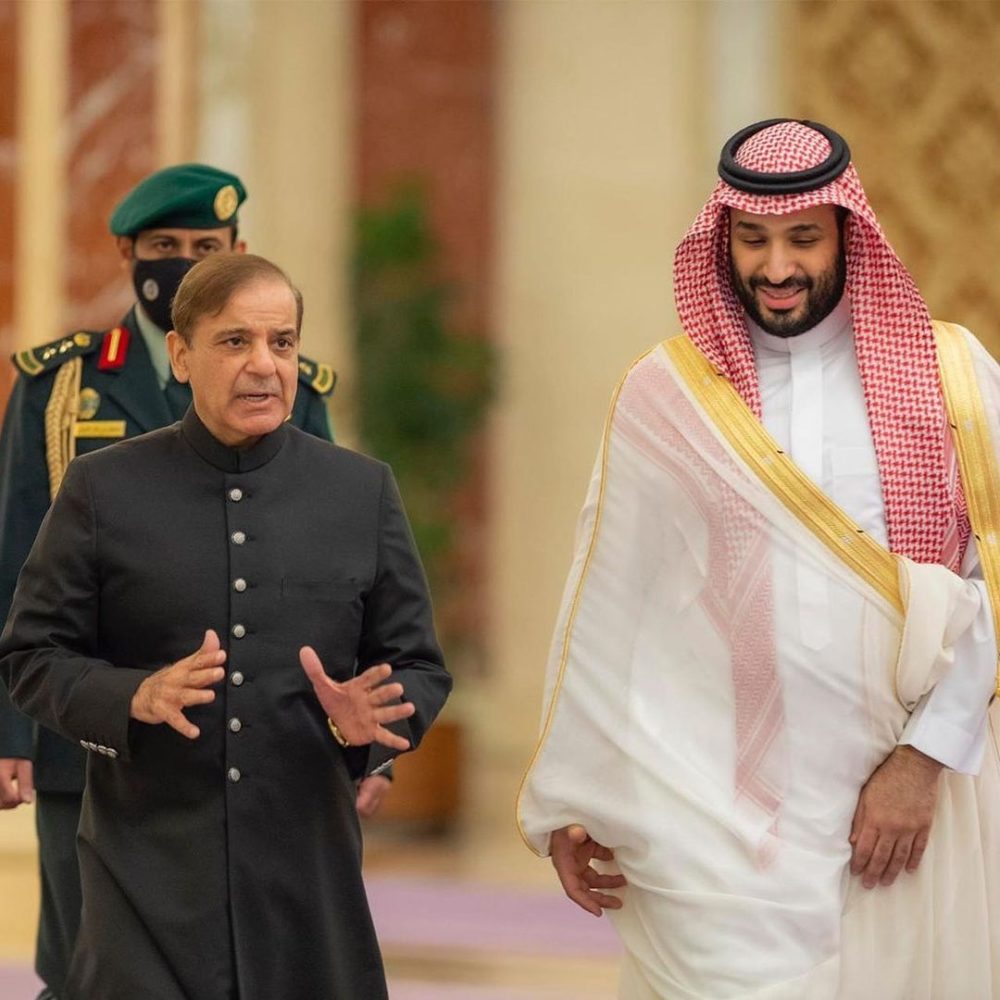
Pakistan Risks Overstretching Itself in Yemen War

Pakistan’s expanding military role in Saudi Arabia amid the Yemen conflict could strain its defence resources and fragile finances…reports Asian Lite News Desk Pakistan’s military involvement in the war in Yemen may prove unsustainable because of mounting financial pressures and competing security demands, according to a new report. Islamabad’s growing military presence in Saudi Arabia risks stretching its defence resources while exposing the country to greater strategic and economic challenges. An article by Andrew Wilson in One World Outlook describes Pakistan’s involvement as a case of “fiscal and strategic overreach”, arguing that the country lacks the financial flexibility to sustain an expanded military commitment. Pakistan’s external finances depend heavily on an International Monetary Fund (IMF) programme, financial support from Gulf countries and remittances from Pakistani workers in the region. The report argues that deeper military involvement in the conflict could place additional pressure on these sources of financial stability. It also warns that deploying troops and military equipment abroad could weaken Pakistan’s capacity to address security challenges along its eastern border and deal with two domestic insurgencies. The move could also draw Islamabad into a conflict it has sought to approach cautiously. A Reuters report in May, citing Pakistani security and government sources, said Islamabad had deployed around 8,000 troops, a squadron of approximately 16 aircraft, mostly JF-17 fighter jets, two drone squadrons and a Chinese HQ-9 air-defence battery to Saudi Arabia. According to those sources, Riyadh was financing the deployment, with Pakistani personnel operating the equipment. The sources also said a confidential agreement contemplated the possibility of deploying up to 80,000 troops. Islamabad has not confirmed those figures, although it has acknowledged its military presence in Saudi Arabia, including the deployment of fighter jets at King Abdulaziz Air Base from April. The One World Outlook article argues that Saudi financial support can cover allowances and operating expenses but cannot easily replace military equipment needed elsewhere or resolve the political and strategic challenges of participating in the Yemen conflict. Pakistan’s defence budget is another concern. For the 2026-27 financial year, the federal government allocated PKR 3 trillion, or approximately $10.8 billion, to defence services. The allocation represents an 18 per cent increase from the original PKR 2.55 trillion provision and amounts to around 2.1 per cent of projected gross domestic product (GDP). Defence spending accounts for approximately 16 per cent of the federal government’s PKR 18.8 trillion expenditure. Military pensions are budgeted separately at PKR 822 billion, while debt servicing costs stand at approximately PKR 8 trillion, more than two-and-a-half times the defence allocation. The report argues that these competing financial obligations leave little room for additional military expenditure without placing further pressure on public finances. Pakistan’s reliance on IMF assistance also limits its fiscal flexibility. The country must meet the conditions attached to the programme, including a primary budget surplus target of 2 per cent of GDP and continued restraint on development spending. According to the article, these requirements make it difficult for Islamabad to finance an additional military commitment without compromising other budgetary priorities. Pakistan’s economic indicators offer limited reassurance. Economic growth for the 2025-26 financial year is estimated at between 3.6 and 3.7 per cent, while inflation reached approximately 10.3 per cent in September following an energy price shock. Foreign exchange reserves stood at around $21.5 billion at the end of September. Although this marks an improvement from the low levels recorded in 2023, the report notes that the reserves cover only a few months of imports. Financial assistance from Gulf partners remains central to Pakistan’s external stability. The article says Islamabad holds approximately $8 billion in Saudi deposits at its central bank. In July, the State Bank of Pakistan said Riyadh had extended the maturity of $5 billion in deposits to December 2028, easing the country’s immediate external financing requirements. A further $3 billion deposit was also extended in the spring. However, the article argues that these arrangements provide temporary relief rather than long-term financial independence, particularly as regional conflict threatens the stability of the Gulf economies on which Pakistan relies. The report concludes that Pakistan faces a difficult balance between supporting Saudi Arabia militarily and preserving the financial and military resources needed to address its domestic and regional challenges.
Go toTop

Don't Miss

Record Numbers Overwhelm UNRWA Shelters in Gaza

A UNRWA report has said that over 1.6 million people

UAE bakery aid reaches Gaza

The convoy is a crucial component of the UAE’s ongoing