Co-chairing the ADMM-Plus forum with Malaysia, India pushes deeper counter-terror cooperation to bolster regional security and a free, open Indo-Pacific….reports Asian Lite News
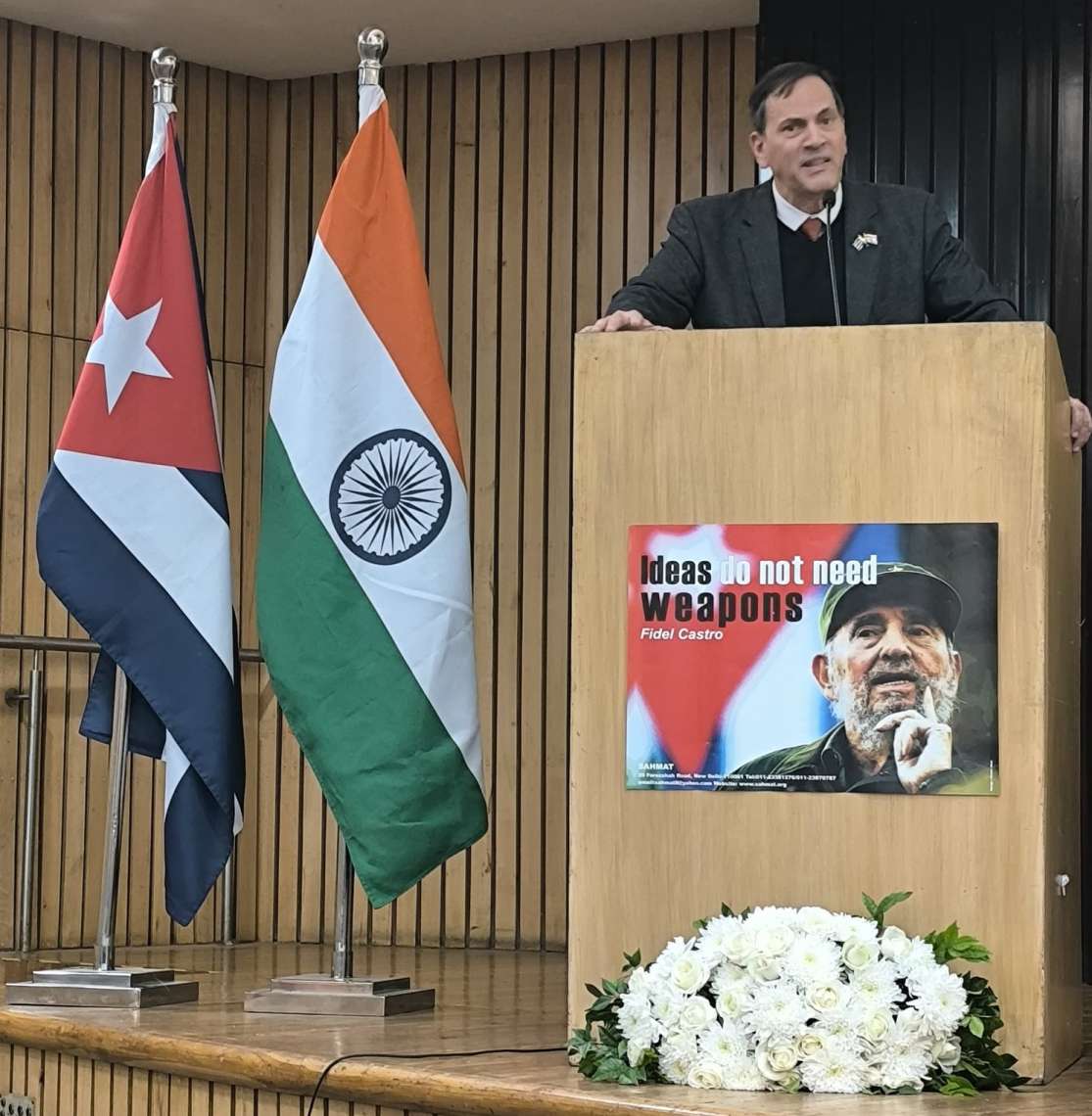
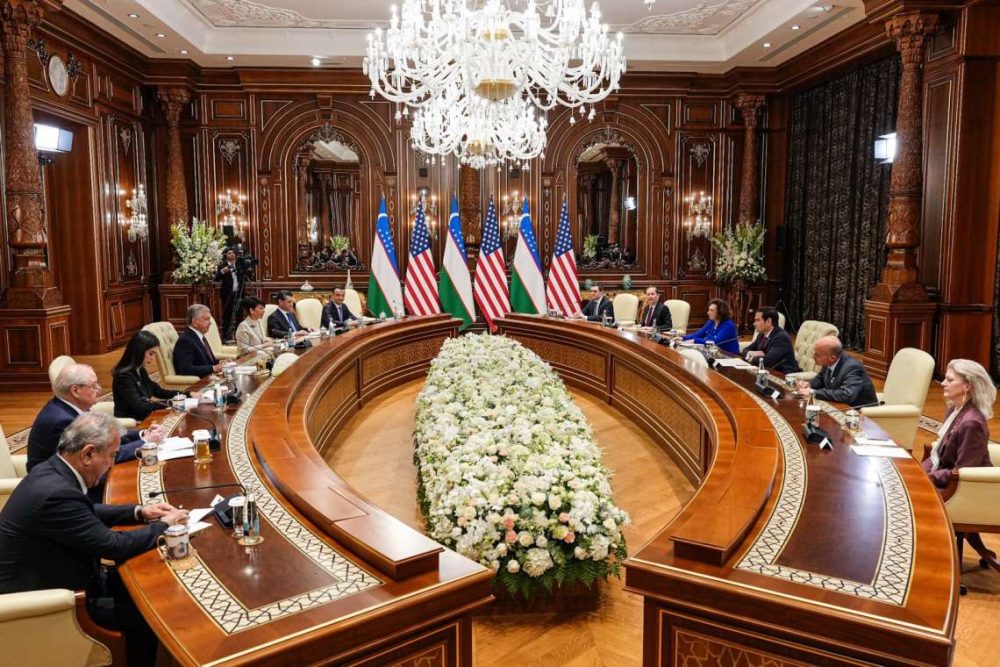
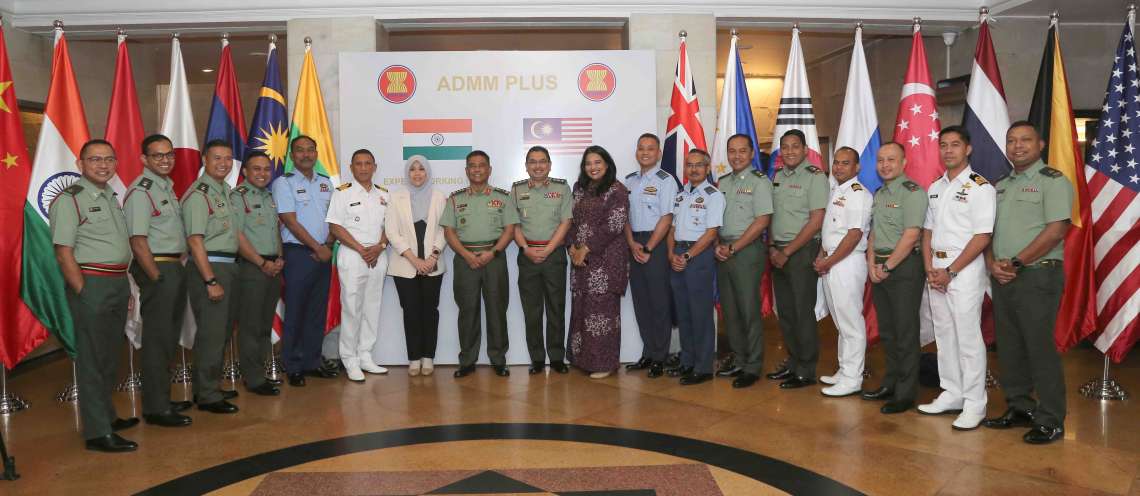
India on Tuesday underlined its commitment to regional and international security cooperation by hosting the 16th ASEAN Defence Ministers’ Meeting-Plus (ADMM-Plus) Experts Working Group on Counter Terrorism in New Delhi. Co-chaired by India and Malaysia, the meeting brought together defence and security representatives from ASEAN member states, ADMM-Plus partner countries and the ASEAN Secretariat, reaffirming a shared resolve to combat terrorism in all its forms.
The gathering reflected growing recognition across the Indo-Pacific that terrorism, extremism and transnational security threats require coordinated responses that go beyond national boundaries. Addressing the meeting, Amitabh Prasad, Joint Secretary (International Cooperation) in the Ministry of Defence, said India was honoured to co-chair the Experts Working Group alongside Malaysia and expressed appreciation for the broad participation at the forum. He noted that the presence of senior representatives from across the region highlighted the collective determination to strengthen cooperation and information-sharing to counter evolving terrorist threats.
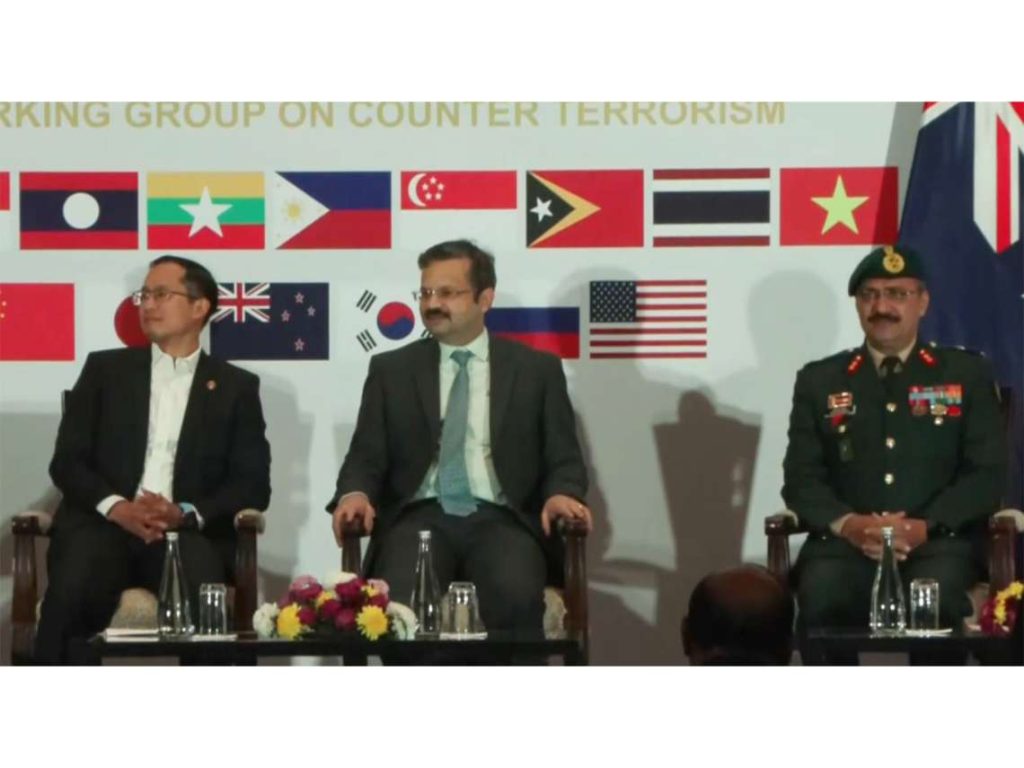
Prasad emphasised that ASEAN remains central to India’s foreign policy vision. He recalled that India’s Act East Policy, launched in 2014 at the 12th ASEAN–India Summit, has completed a decade and continues to shape New Delhi’s engagement with Southeast Asia. According to him, ASEAN occupies a pivotal place in India’s outlook for the future of Asia and the wider Indo-Pacific, particularly in the context of maintaining regional stability and security.
From India’s perspective, the co-chairmanship of the ADMM-Plus Experts Working Group on Counter Terrorism with Malaysia represents a significant opportunity to deepen defence and security cooperation. Prasad said India brings to the platform decades of operational and institutional experience in dealing with cross-border terrorism and extremist violence. This experience, he added, allows India to contribute practical insights and best practices focused on proactive and collaborative approaches to counter-terrorism.
The current cycle of the Experts Working Group was formally launched last year in New Delhi by India and Malaysia. At that time, India’s Defence Secretary had laid out an ambitious and structured roadmap for the group’s activities over the coming years. This roadmap includes a series of thematic seminars and workshops designed to address emerging trends in terrorism, radicalisation and the misuse of technology by extremist groups.
A key component of the roadmap is a tabletop exercise to be hosted by Malaysia in 2026, which will test decision-making, coordination mechanisms and crisis-response frameworks among participating nations. This will be followed by a full-scale field training exercise to be conducted by India in 2027, aimed at enhancing operational cooperation and real-world interoperability among armed forces and security agencies.
Prasad expressed confidence that these planned initiatives would deliver tangible outcomes. He said they would help participating countries build mutual trust, improve interoperability and strengthen collective preparedness against terrorist threats. Importantly, he added, the exercises and exchanges would also contribute to a free, open and secure Indo-Pacific, in line with India’s broader strategic vision and its commitment to the Act East Policy.
The meeting in Delhi comes at a time when regional security challenges are becoming increasingly complex, with terrorism intersecting with cyber threats, organised crime and geopolitical tensions. By hosting the ADMM-Plus Experts Working Group, India has signalled its willingness to play a proactive role in shaping cooperative security frameworks in the Indo-Pacific.
As deliberations continue under the India–Malaysia co-chairmanship, officials expressed optimism that sustained dialogue, capacity-building and joint exercises under the ADMM-Plus mechanism will further strengthen the region’s collective ability to prevent, respond to and recover from terrorist threats, reinforcing ASEAN centrality and regional resilience.