Experts warn that rising food inflation, shrinking purchasing power and growing inequality are leaving millions in Bangladesh unable to afford nutritious diets…reports Asian Lite News
Bangladesh has been ranked among the 10 countries with the highest number of people facing acute food insecurity, according to the 2026 Global Report on Food Crises (GRFC), an issue that experts say reflects deeper structural economic and social challenges.
An article published in the Dhaka based newspaper The Daily Star highlighted findings from the report, which stated that around 16 million people in Bangladesh experienced crisis level food insecurity or worse during the peak period of 2025.
The report estimated that those affected accounted for 17 per cent of the analysed population, although it clarified that the assessment covered only 59 per cent of the country’s total population.
According to the article written by Selim Raihan, professor of economics at University of Dhaka, the continuing food insecurity crisis in Bangladesh points to deeper structural problems beyond food availability alone.
He argued that unstable incomes, weak purchasing power, regional inequality, climate vulnerability, inadequate nutrition and gaps in social protection systems have all contributed to worsening conditions for vulnerable households.
For many families, the issue is not the absence of food in markets but the inability to afford nutritious diets, while existing coping mechanisms have already been exhausted.
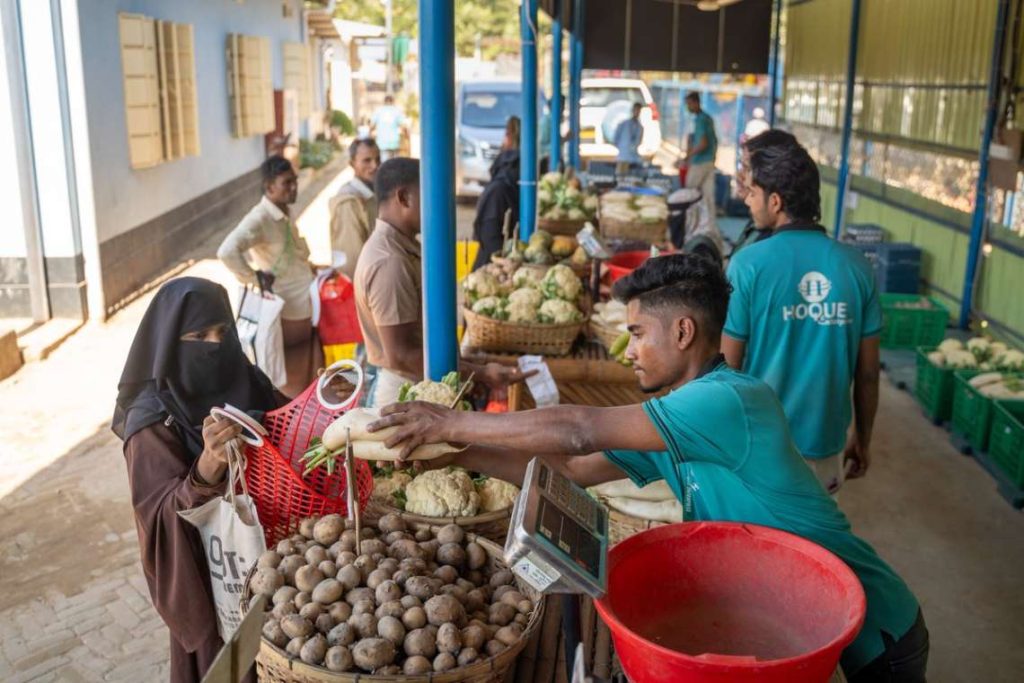
The article noted that rising food inflation in recent years has significantly altered household spending patterns across Bangladesh.
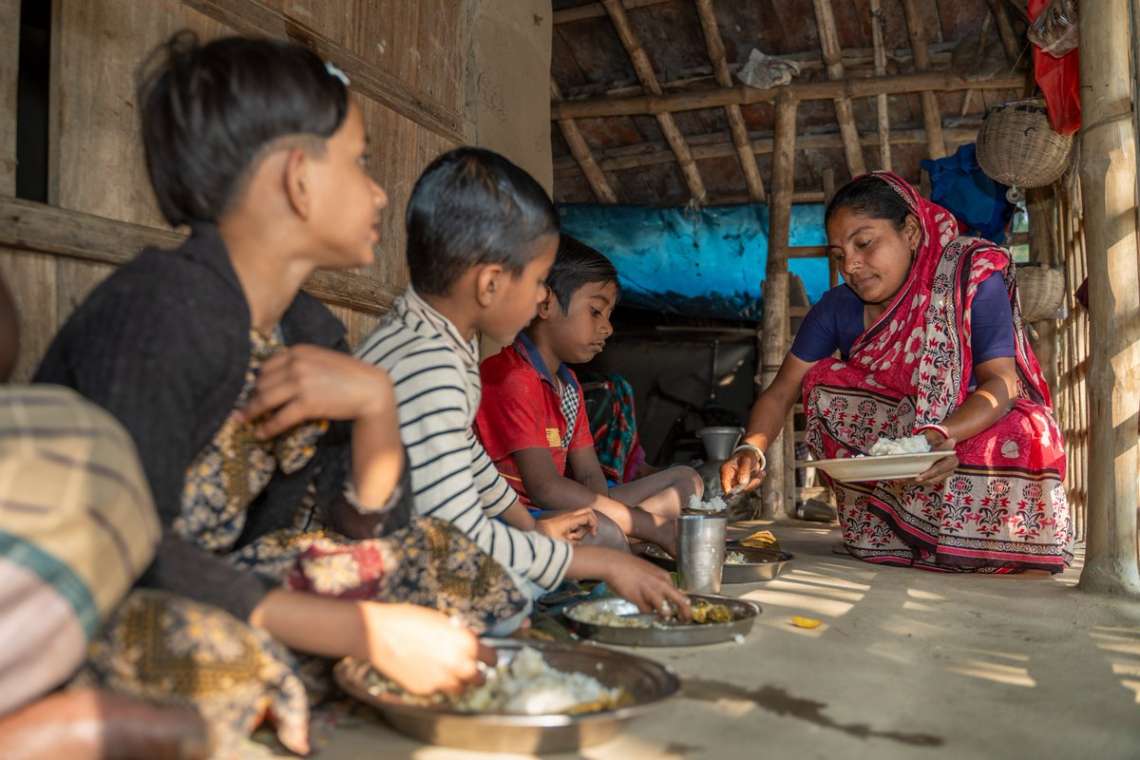
Many families have reportedly reduced consumption of protein rich foods, shifted towards cheaper staples, delayed healthcare expenses, borrowed money from informal lenders and cut spending on children’s needs.
According to the analysis, prolonged high prices of essential food items such as rice, edible oil, lentils, eggs, fish and vegetables are also creating long term nutritional consequences.
The article warned that children are among the worst affected, while women in low income households often eat less and last. Elderly people in poor families have also become increasingly dependent on irregular assistance.
Although remittances provided relief to many households during 2025, the article cautioned against relying too heavily on them as a solution to the food crisis.
It pointed out that remittance income is unevenly distributed and cannot replace a comprehensive national food security strategy.
The article stressed that Bangladesh’s food security policies should move beyond simply ensuring the availability of staple crops such as rice.
While the country has made progress in boosting rice production and maintaining food supplies, Raihan argued that food security must also focus on affordability, nutrition, stability and dignity.
He called for policymakers to shift attention from whether enough food exists to whether poor households can consistently afford healthy and nutritious diets throughout the year.
The article also recommended regular monitoring of the cost of complete food baskets rather than focusing solely on headline inflation figures.