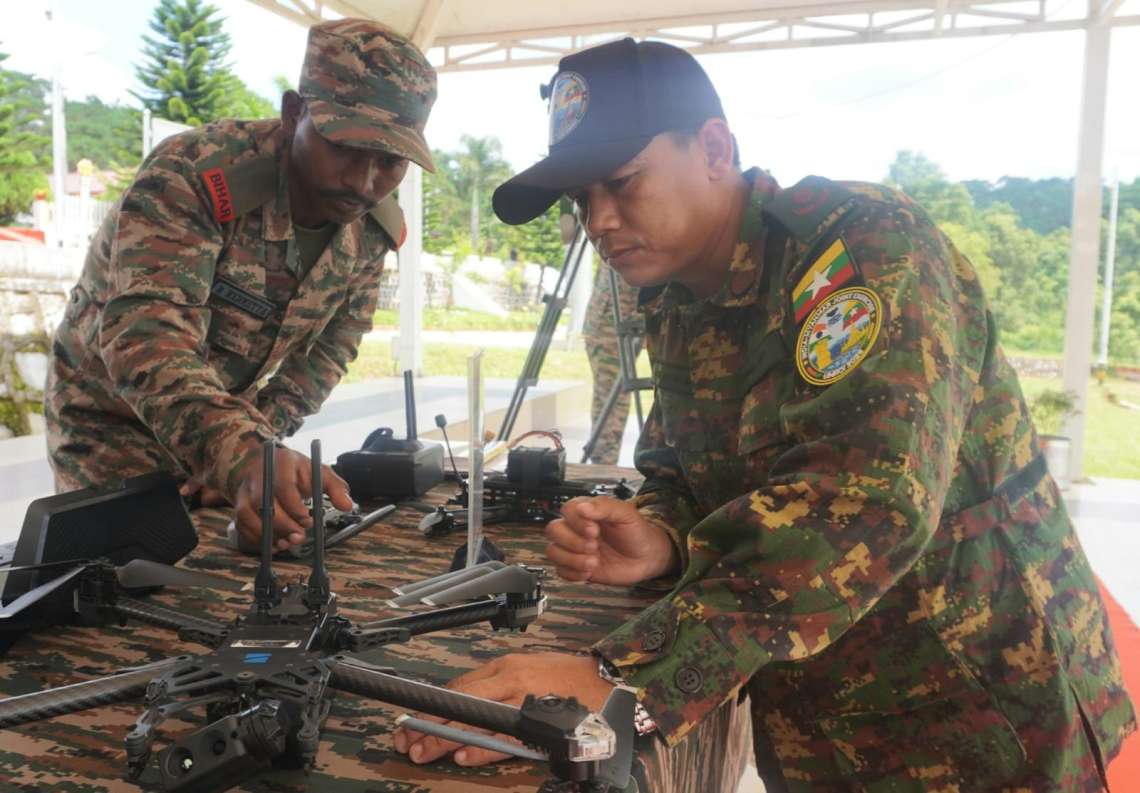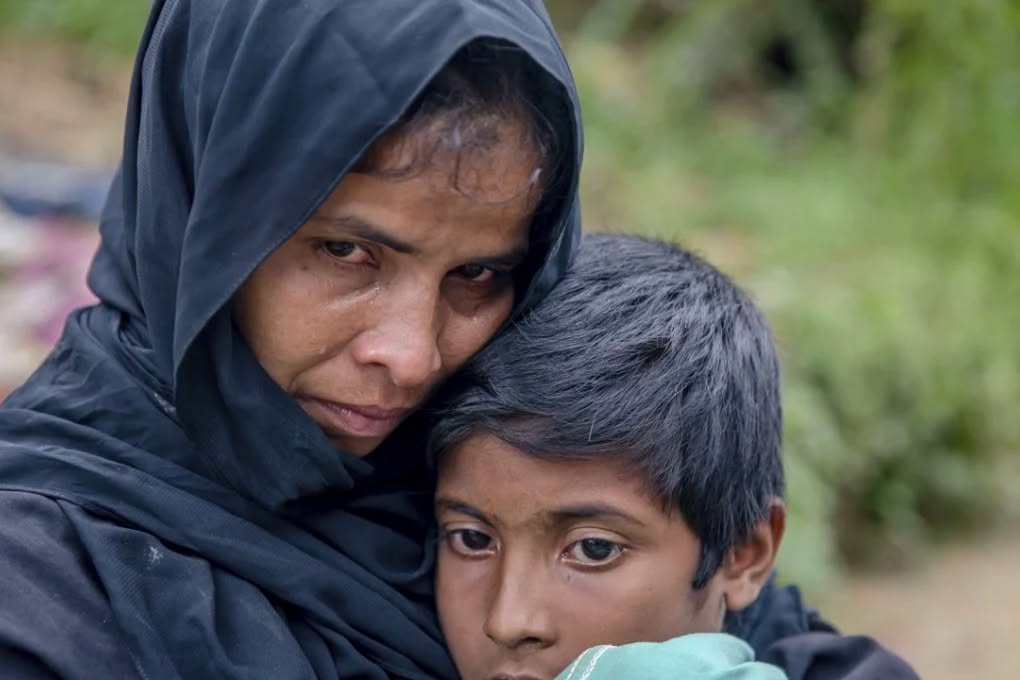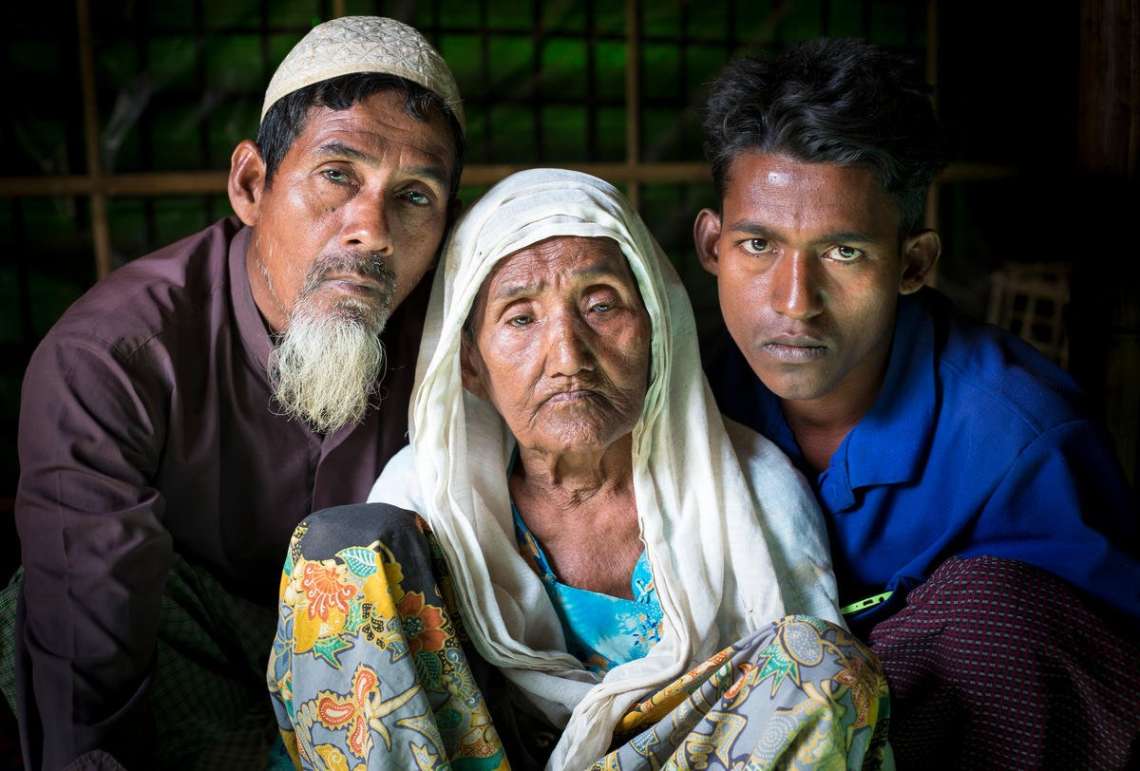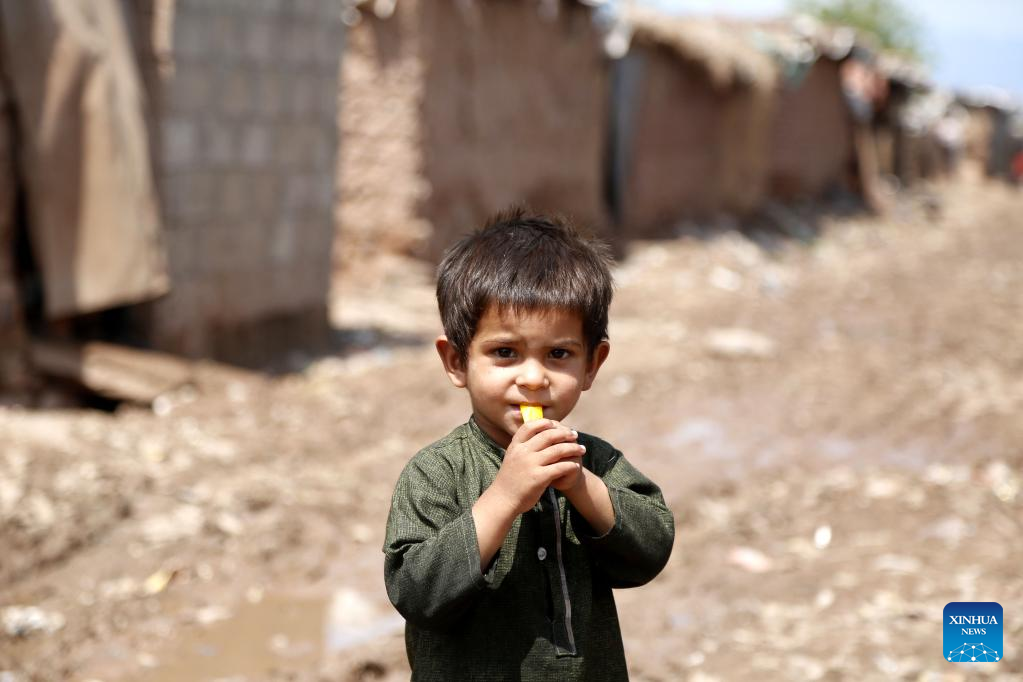
Conflict, natural disasters and funding shortages pushed Myanmar’s humanitarian crisis deeper in 2025, leaving millions displaced within the country and across the region, according to UNHCR’s latest Global Report
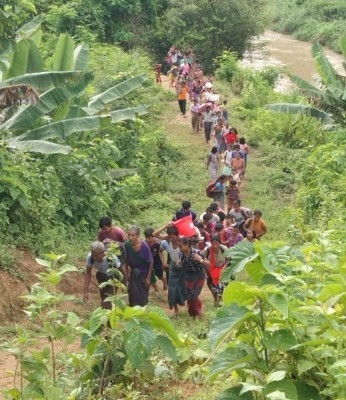
Escalating conflict, repeated natural disasters, and a widening funding gap pushed Myanmar’s humanitarian crisis to new levels in 2025, leaving nearly 6 million refugees, internally displaced people and stateless people in need of protection across Myanmar and neighbouring countries, according to the United Nations refugee agency’s latest Global Report.
The report said the Myanmar situation spanned operations in Bangladesh, India, Indonesia, Malaysia, Myanmar and Thailand. By the end of 2025, the crisis affected around 5.9 million refugees, stateless people in neighbouring countries and internally displaced people. This included more than 3.6 million internally displaced people inside Myanmar, 1.5 million refugees, 64,000 asylum seekers, around 294,000 stateless people and about 415,000 returned refugees and internally displaced people. The report added that the total stateless population linked to the situation in Myanmar exceeded 1.8 million.
UNHCR said fighting intensified across several parts of Myanmar during the year, triggering fresh waves of displacement while disrupting livelihoods and essential public services. Limited humanitarian access, insecurity, and reduced funding further increased vulnerabilities, particularly in conflict-affected and remote areas.
The crisis was worsened by a major earthquake in March, followed by severe flooding in June and September, placing additional pressure on an already underfunded humanitarian response.
The report highlighted the continuing plight of civilians in Rakhine State, where active fighting and insecurity deepened humanitarian needs. Rohingya communities, most of whom remain stateless, continued to face severe restrictions on freedom of movement along with barriers to education, healthcare, employment and civil documentation. Reports of forced recruitment, forced labour and arbitrary detention also underscored the protection risks faced by Rohingya men, women and children.
Beyond Myanmar’s borders, protection also became more difficult as neighbouring countries tightened border controls and access to asylum. UNHCR said around 6,200 people undertook dangerous sea journeys during the year, with women and children accounting for 60 per cent of those travelling. Conditions for the safe, voluntary and dignified return of refugees remained absent because of ongoing conflict, widespread human rights violations and the continued denial of legal status for Rohingya communities.
Despite operational challenges, UNHCR and its partners continued to provide humanitarian assistance across the region. Within Myanmar, the agency focused on protection monitoring, community based protection and assistance for survivors of violence and exploitation where access was possible. Working with civil society organisations, nearly 882,500 people received support.
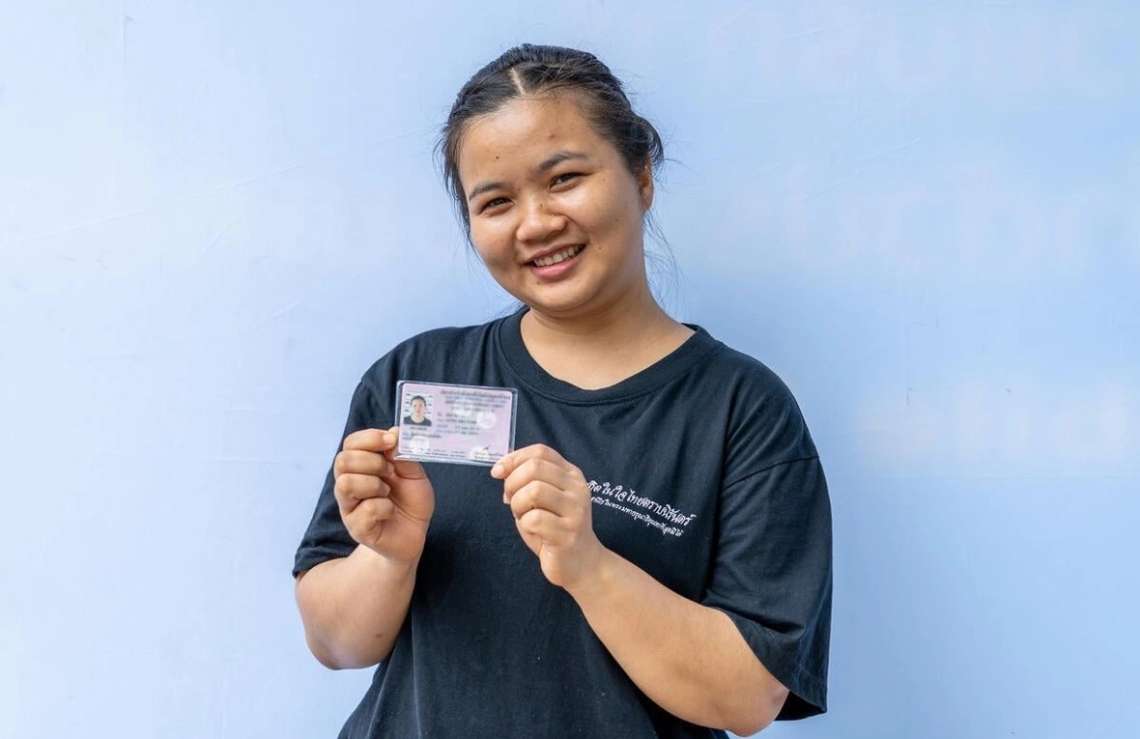
Legal counselling helped around 8,200 displaced and stateless people overcome administrative barriers, enabling more than 1,100 people to obtain civil documentation. A further 470 stateless people, including Rohingya, received citizenship documents, while a network of approximately 770 community volunteers reached more than 43,000 people. Feedback and complaints mechanisms also responded to nearly 84,000 enquiries.
Across Myanmar and neighbouring countries of asylum, including Bangladesh, India, Indonesia, Malaysia and Thailand, UNHCR and its partners provided protection assistance to 1.6 million people. More than 333,000 people received support to obtain civil documentation or legal status; nearly 294,600 people accessed mental health and psychosocial support; over 1.1 million people received core relief items; and 226,800 people benefited from financial assistance.
In Bangladesh, where more than one million refugees live in Cox’s Bazar and Bhasan Char, UNHCR supported access to liquefied petroleum gas for more than 108,000 refugee households. The agency said this reduced protection and health risks while contributing to environmental rehabilitation and strengthening preparedness for fires, cyclones and monsoon flooding.
The report also pointed to some policy progress. Thailand adopted a government resolution allowing long-staying refugees from Myanmar living in border shelters to apply for work permits and seek employment outside camps, supporting greater self-reliance.
However, funding remained a major concern. UNHCR said it required $383 million for the Myanmar situation in 2025 but received only 40 per cent of that amount, leaving a funding gap of $229 million. Total expenditure reached $161 million, with Bangladesh accounting for the largest share. The United States, the European Union, Australia and the United Kingdom were among the leading donors.