Record Eurobond sale highlights investor confidence but high borrowing costs expose deep economic and political risks….reports Asian Lite News Desk
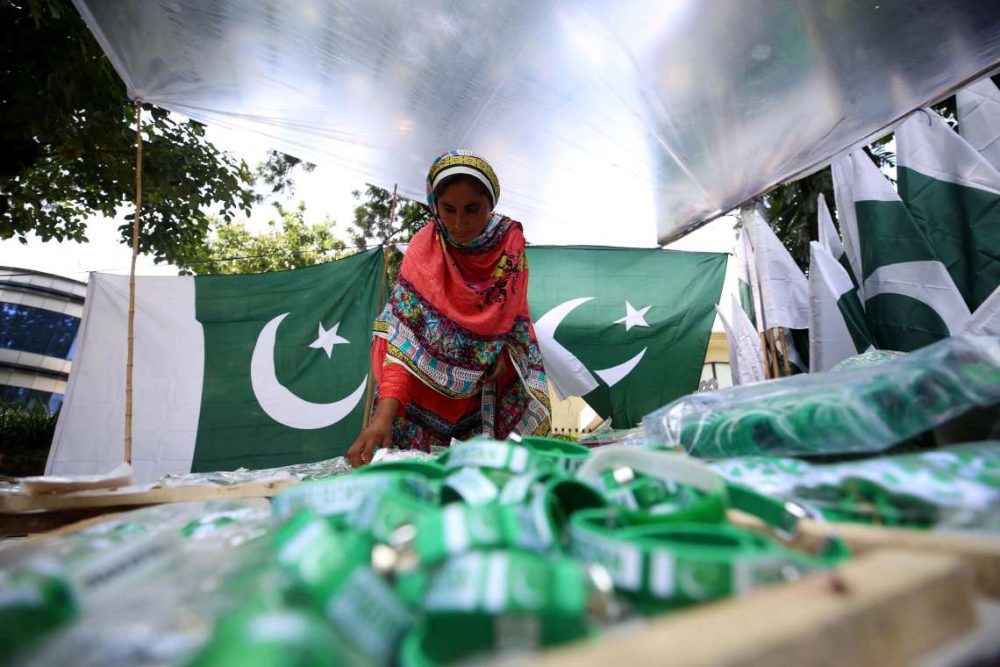
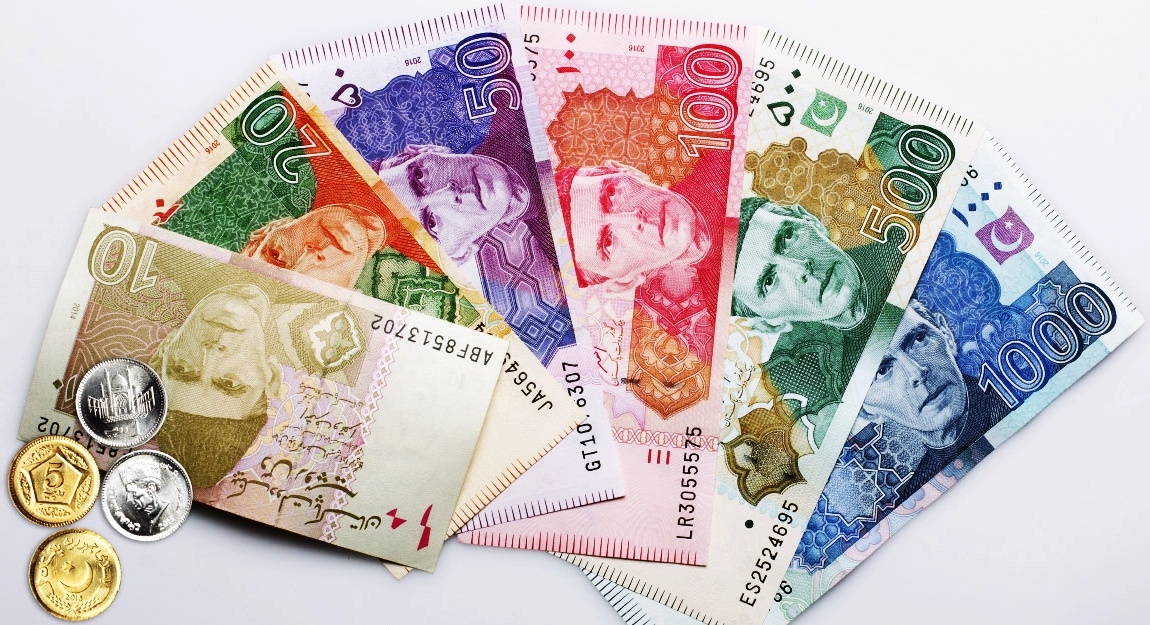
Pakistan’s record $3 billion Eurobond sale has been presented by the government as a sign of renewed international investor confidence, but the high interest rates attached to the borrowing underline the risks lenders continue to associate with the country’s economic and political outlook.
Pakistan raised the funds through a dual-tranche Eurobond issue, marking its largest single international capital-market transaction. The country will pay an interest rate of 7.5 per cent on bonds maturing in five-and-a-half years and 7.9 per cent on the 10-year tranche.
While the successful sale indicates that international investors are willing to lend to Pakistan again, the pricing reflects persistent concerns over the country’s security situation, internal political tensions and structural economic challenges, according to an analysis published by The Times of Israel.
Italian geopolitical expert Sergio Restelli argued that Pakistan’s improving international profile masks growing pressures within its federation. Balochistan continues to face an insurgency and security crackdown, while Pakistan-occupied Kashmir has witnessed deadly unrest and Khyber Pakhtunkhwa remains under severe security pressure.
In Sindh, disputes over water resources, provincial autonomy and administrative boundaries have added to tensions between provincial authorities and the federal establishment, the analysis said.
These divisions were evident during recent debates in the Sindh Assembly, where legislators clashed for four days over proposals to create new provinces and administrative units. The ruling Pakistan Peoples Party opposed any division of Sindh, while opposition parties, including MQM-P, PTI and Jamaat-e-Islami, called for greater administrative decentralisation.
Opposition legislators accused the provincial government of using fears surrounding Sindh’s possible division to divert attention from allegations of corruption, poor governance and inadequate devolution of power.
At the centre of the dispute, according to the analysis, is a broader question over control of land, water and natural resources, as well as concerns about the influence exercised by Islamabad and the Punjab-dominated political and security establishment over Pakistan’s provinces.
Water sharing has emerged as a particularly contentious issue. Sindh, located downstream along the Indus River system, has long accused Punjab of consuming a disproportionate share of available water resources.
The proposed construction of six canals linked to agricultural development in Cholistan intensified those grievances and sparked a broad political movement in 2025. The controversy brought together an unusual coalition of political parties, Sindhi nationalist groups, lawyers, farmers and civil society organisations.
The Sindh Assembly unanimously rejected the project, while the dispute also reached Pakistan’s National Assembly and Senate.
The analysis suggests that although Pakistan’s return to international debt markets may signal improved access to foreign capital, the high cost of borrowing remains a reminder that investors continue to price in substantial economic, political and security risks.