Britain’s planned crackdown on Israeli settlements goes beyond banning goods, with proposed sanctions potentially reaching the banks, insurers and companies that help finance expansion in the occupied West Bank, reports Asian Lite News Desk
Foreign Secretary Ed Miliband has announced plans for an import ban on goods from illegal Israeli settlements and sanctions against companies that “finance or facilitate” their construction, infrastructure and marketing.
The measures represent a significant shift in Britain’s approach to Israel’s occupation of the Palestinian territories. Miliband said the action would target settlement expansion and the entrenchment of the occupation rather than Israel within the green line, the 1949 armistice boundary.
So why is Britain acting now?
A major factor is Israel’s decision to proceed with a settlement project in the E1 area of the occupied West Bank. Israeli Finance Minister Bezalel Smotrich has said the development is designed to “bury the idea of a Palestinian state”. Miliband described the issuing of construction tenders for the project in August as a “red line”. The E1 area is considered particularly significant because of its location in the West Bank and its implications for the territorial continuity of a future Palestinian state.
Miliband said the measures were intended to defend principles including “rule of law, freedom and self-determination” and to “salvage the only course for peace and security for Israelis and Palestinians, the two-state solution”.
He also accused “settler terrorists” of perpetrating ethnic cleansing in the occupied West Bank and said the Israeli government had turned a blind eye while some members supported it.
What difference could an import ban make?
Goods produced or grown in Israeli settlements account for a relatively small part of Israel’s overall exports, although the exact scale of the trade is unclear. That means an import ban on its own may have limited economic impact. The potentially more consequential part of Britain’s plan is the proposed sanctions against companies that finance or facilitate settlement expansion.
Settlement construction depends on financing, guarantees, insurance and other services. Sanctions could therefore affect Israeli banks, insurers and businesses that support projects in the occupied territories while also maintaining commercial interests in Britain.
Miliband has not yet set out the detailed mechanism. He said the measures would take between six and nine months to introduce, leaving questions over which companies could be covered and how restrictions would be enforced.
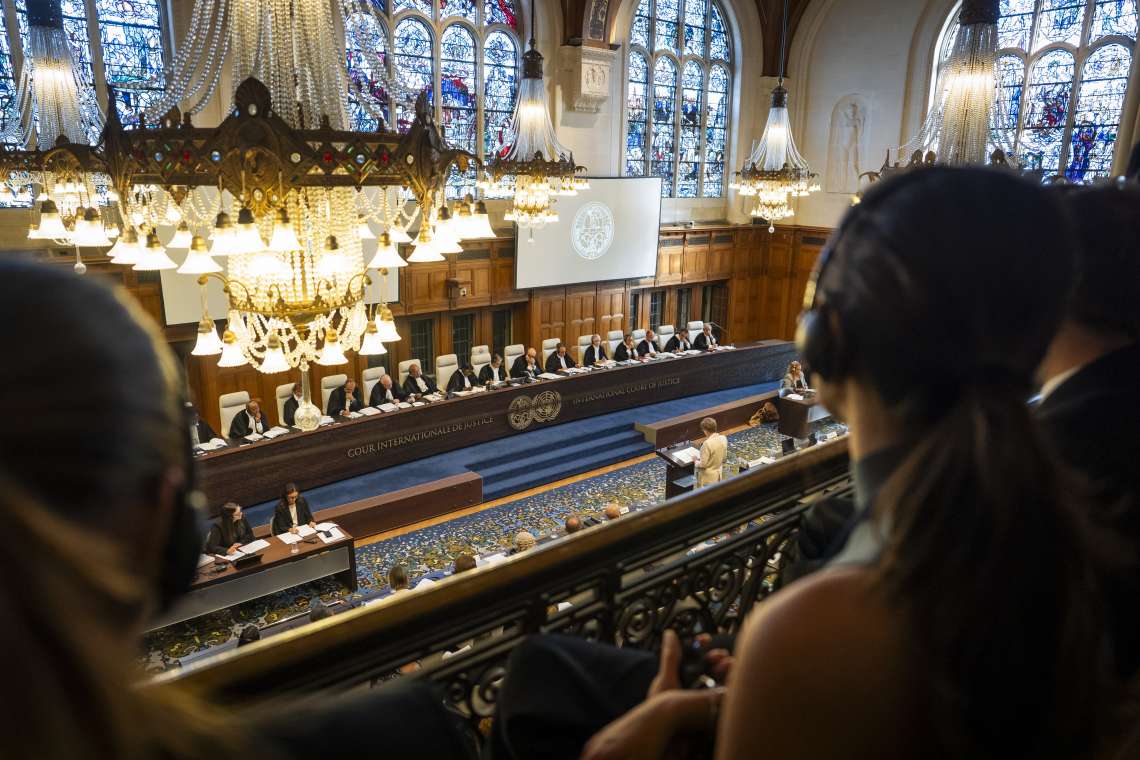
The wider backdrop is the rapid growth of settlements. Miliband said the Israeli settler population in the occupied Palestinian territories had risen from 270,000 in 1993 to 770,000 today. Britain has also adopted the position set out by the International Court of Justice in its 2024 ruling that Israel’s occupation is unlawful. The court called on Israel to end the occupation “as rapidly as possible” and make reparations for its “internationally wrongful acts”.
The significance of the British measures will ultimately depend on their scope. A trade ban would make a political statement, but sanctions affecting the financial system behind settlement construction could have a more direct impact on future expansion.