A new report alleges that Pakistan continues to rely on militant proxies against India and Afghanistan, increasing tensions and instability across South Asia….reports Asian Lite News Desk
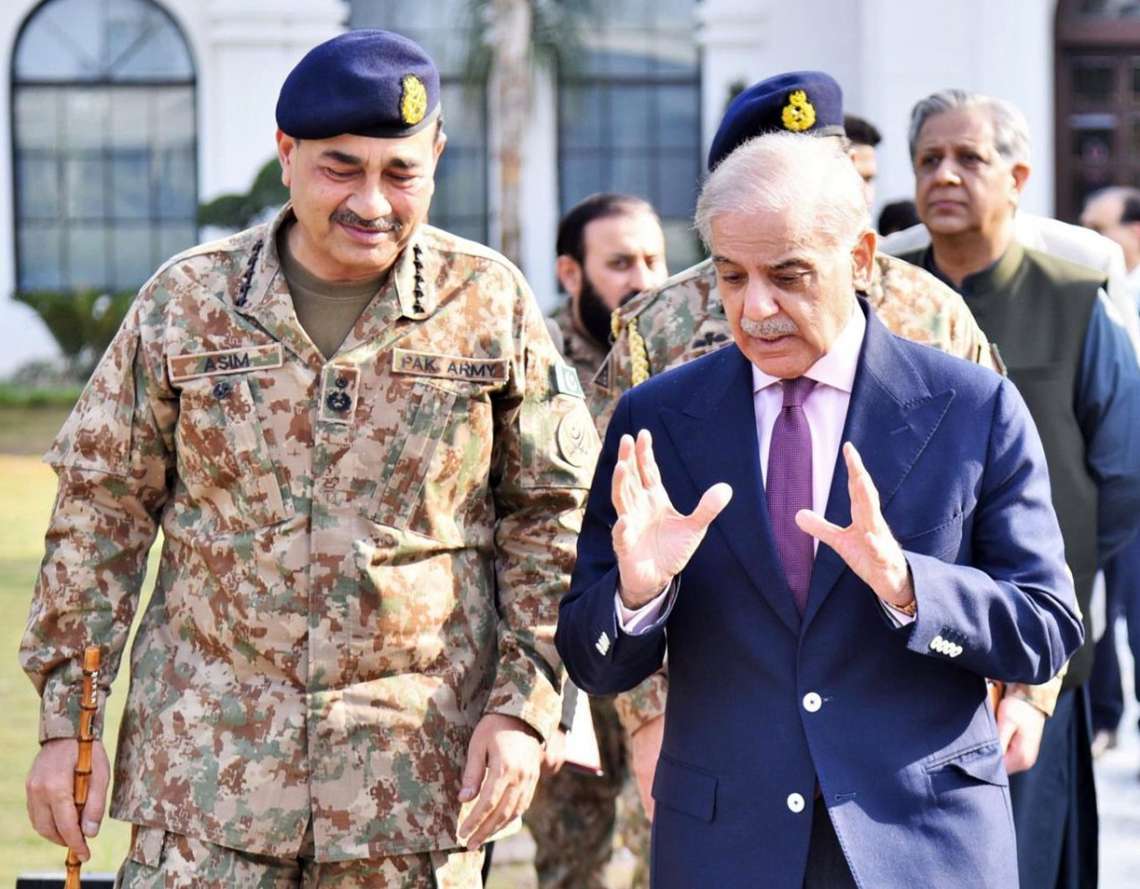
A report by the Afghan Diaspora Network said Pakistan has relied on militant proxies for decades, initially against India in Jammu and Kashmir and more recently in its dealings with Afghanistan. It alleged that the policy remains closely linked to the country’s military leadership.
According to the report, the use of jihadist groups as proxies has been a key element of Pakistan’s regional policy for more than 70 years. It said the approach allows Islamabad to exert pressure on neighbouring countries while maintaining the ability to deny direct involvement.
The report pointed to developments in 2025 as evidence that the strategy remains active. In April last year, 26 civilians were killed in a terror attack in Pahalgam in Jammu and Kashmir. The Resistance Front (TRF), described by the report as a proxy of Lashkar-e-Taiba (LeT), claimed responsibility for the attack.
India responded in May with Operation Sindoor, during which its armed forces carried out what Indian officials described as focused and measured strikes against terror infrastructure in Pakistan and Pakistan-occupied Kashmir (PoK).
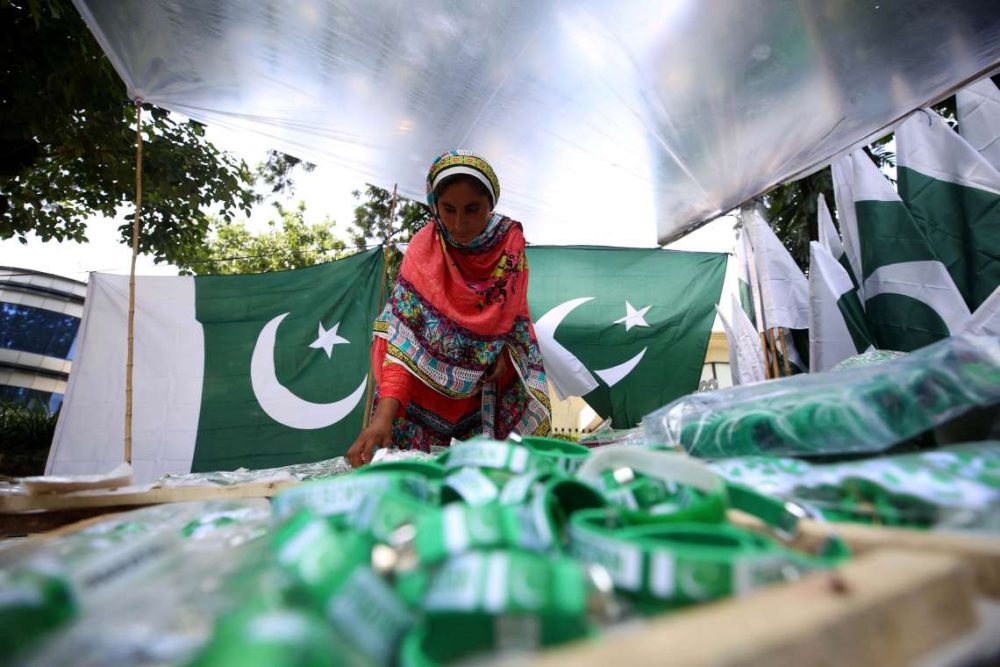
The report said the links between Pakistan’s military establishment and militant organisations came under renewed scrutiny following the operation. It referred to images from funerals of militants in which coffins were covered with Pakistan’s national flag and senior military officials were reportedly present.
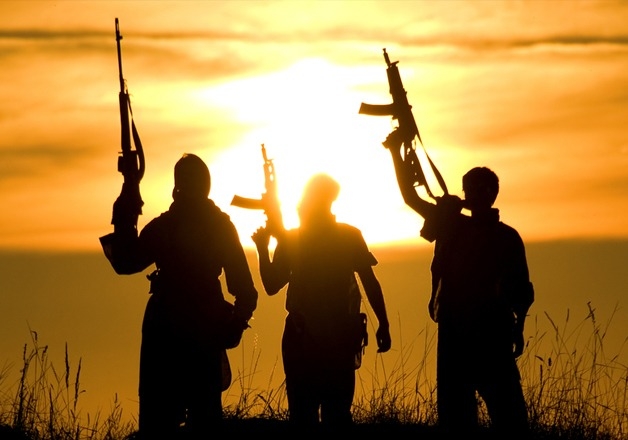
Pakistan’s alleged use of militant groups has also increasingly affected its relationship with Afghanistan. The report said Islamabad had played a role in the creation of the Afghan Taliban and had backed the Haqqani network.
Pakistan’s Inter-Services Intelligence (ISI) chief travelled to Kabul shortly after the Taliban returned to power in 2021, highlighting the close relationship between Islamabad and the new Afghan authorities at the time.
However, relations between Pakistan and Afghanistan have deteriorated in recent years, with both sides accusing each other of supporting militant activity.
The Afghan Ministry of Defence recently said its forces killed 28 fighters and captured 32 others during operations in Nuristan. It accused Pakistani security forces of financing and training the fighters to operate against the Taliban.
The Afghan Diaspora Network report also cited earlier comments by a Taliban spokesperson accusing elements within Pakistan’s military of attempting to destabilise the region. The spokesperson also alleged that Islamabad was sheltering Islamic State Khorasan (IS-K), rather than taking action against the group.
The report quoted Rahmatullah Achakzai, a journalist based in Balochistan, as saying that the continued use of proxy groups was driven by strategic and political considerations within Pakistan.
“Pakistan continues using this strategy of creating instability in the neighbourhood through proxy groups because it is cheap, easy to deny, and benefits the military,” Achakzai said.
He argued that the approach helped the Pakistan Army protect its budget and political influence, while the costs were ultimately borne by ordinary citizens.
The report further argued that international sanctions had largely targeted individuals and designated militant organisations rather than the Pakistan Army itself.
It also claimed that Pakistan’s removal from the Financial Action Task Force (FATF) grey list and renewed ties between the United States and Pakistan’s military establishment had reduced external pressure on Islamabad over alleged support for militant groups.
The report warned that continued reliance on proxy organisations could increase instability across South Asia and raise the risk of wider military confrontations and mass-casualty incidents.