Tehran links restoring security in the strategic waterway to US concessions as military tensions rise and diplomatic efforts intensify…reports Asian Lite News Desk
Iran has offered to restore security in the Strait of Hormuz and resume negotiations with the United States within two days if Washington meets its demands, as both countries exchange warnings over possible military escalation and report fresh military activity in the strategically important region.
Iranian Foreign Ministry spokesman Esmaeil Baghaei said on Monday that Tehran had shortened the implementation period of its seven-day proposal, originally presented in September, to two days as a gesture of goodwill.
He said meeting Iran’s demands could create an opportunity to restore security in the Strait of Hormuz and begin negotiations. However, he stressed that progress depended on Washington’s decision on how to proceed.
President Masoud Pezeshkian said his administration remained committed to resolving disputes through dialogue, adding that Supreme Leader Mojtaba Khamenei had granted the government certain powers to pursue diplomatic solutions.
Foreign Minister Seyed Abbas Araghchi said mediation efforts involving Qatar and Pakistan had intensified through frequent diplomatic visits, telephone conversations and exchanges of messages. However, he warned that further US military escalation would trigger a “far more bitter and severe” response.
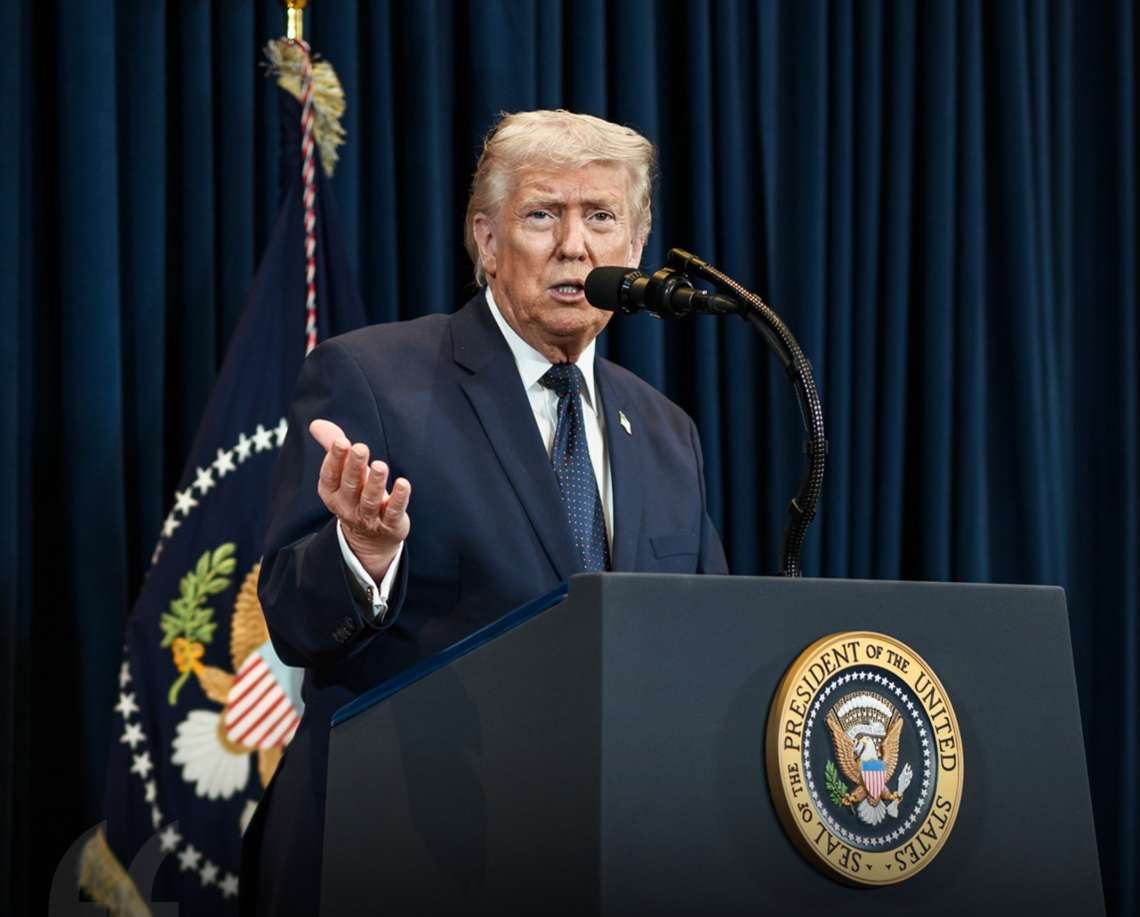
US President Donald Trump has sent mixed signals about the prospects for an agreement. On Monday, he said Tehran wanted a deal and that an agreement could be reached. In an interview with Axios, he also said he was in no hurry to decide whether to resume military action.
However, Trump has repeatedly threatened further strikes, telling supporters in Iowa on Sunday that Washington might eventually have to “give them the hammer”.
The Wall Street Journal reported that the US had carried out a series of limited, largely undisclosed strikes against Iran in recent weeks. US officials described the operations as defensive measures intended to prevent Iranian attacks on commercial shipping.
Iran’s Islamic Revolutionary Guard Corps (IRGC) said late Monday that its air defence systems had intercepted three US drones. It identified two as MQM-170 Outlaw drones intercepted over Qeshm Island and the third as an MQ-9 Reaper brought down in waters east of the Strait of Hormuz.
The Wall Street Journal also reported that the US had attacked Qeshm Island, citing American officials. Explosions were subsequently reported on the island and in nearby Hengam Island and Bandar Abbas, although their cause remained unclear.
Iran’s military said more than 30 million people were receiving general military training to defend the country if required. The mobilisation followed an instruction from Khamenei that any threat from Iran’s enemies should receive an immediate and effective response.
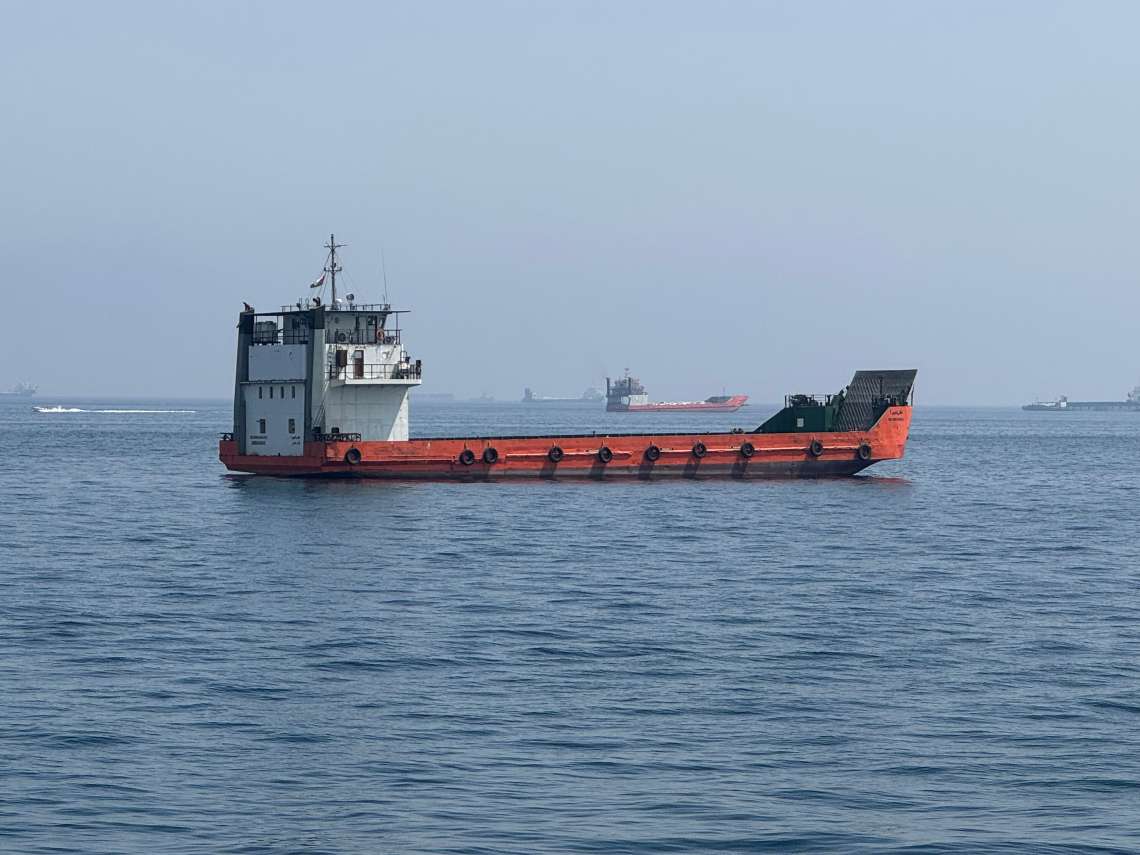
Maritime tensions have also intensified. Iran’s army navy said an oil tanker caught fire after striking naval mines in a restricted area east of the Strait of Hormuz, alleging that the vessel had switched off its navigation systems. The IRGC navy separately claimed that 11 oil tankers had caught fire or sunk in the strait over nine days.
Meanwhile, Trump named Pickaxe Mountain as one of the remaining Iranian sites that needed to be dealt with, while saying negotiations were progressing. Secretary of State Marco Rubio said Washington remained open to diplomacy but any agreement must address concerns over Iran’s nuclear programme and its support for armed groups.
Speaking at campaign rallies in Iowa and Kansas, Trump defended the US military campaign, claiming Iran had lost much of its military capability. He also said oil prices would fall sharply once the conflict ended, describing higher fuel costs as a small price for security.
The diplomatic efforts are unfolding ahead of Tuesday’s US midterm elections, with control of both chambers of Congress at stake. Washington has reportedly discussed possible military options with Gulf allies, while Tehran continues to signal that negotiations remain possible.
ALSO READ-Netanyahu Presses Trump to Strike Iran After US Midterms