February 20, 2023
4 mins read

Brexit deal is Sunak’s biggest political test  

A solution to the impasse in Northern Ireland would enable the UK to reset relations with the EU, its biggest trading partner…reports Asian Lite News

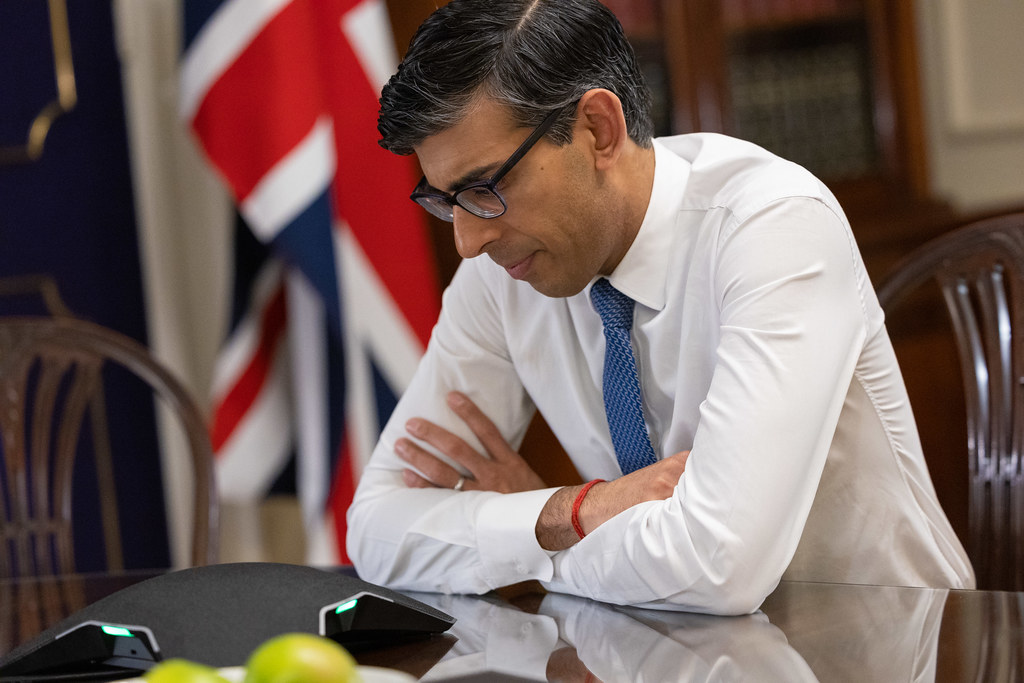
Rishi Sunak is gearing up for the biggest political test of his premiership as he prepares to unveil a deal with the European Union that risks a stand-off with Northern Ireland unionists and members of his own party.

A solution to the impasse in Northern Ireland would enable the UK to reset relations with the EU, its biggest trading partner, more than the three years after Britain formally left the bloc. The prime minister also hopes to persuade the Democratic Unionist Party to drop its veto on the formation of Northern Ireland’s power-sharing executive. They’ve blocked its functioning for more than a year in protest at the so-called protocol, the portion of the Brexit deal governing the region’s unique place in the EU and UK’s trading markets.

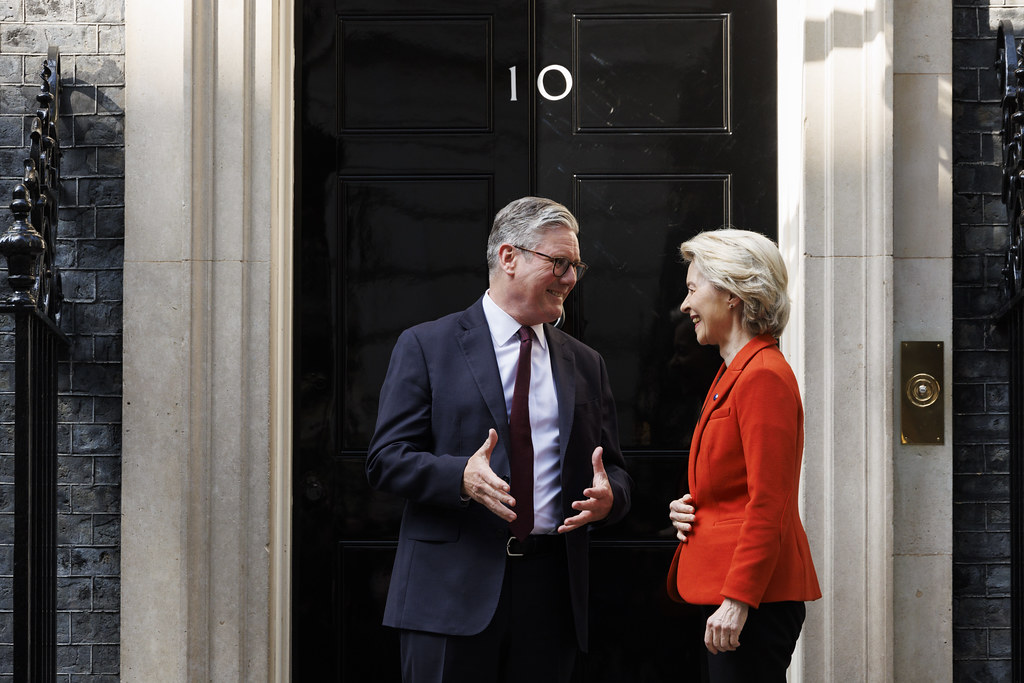
Though the timing of a final agreement remains fluid, plans have been drawn up for an announcement as soon as this week. Sunak oversaw a diplomatic flurry in recent days, holding meetings with parties in Northern Ireland and with European Commission President Ursula von der Leyen to lay the groundwork.

Despite newspaper reports of a Monday announcement, it’s now likely to be pushed back by at least a day as Sunak continues to engage with the EU and the DUP, a senior government official said.

Sunak’s approach toward his own Tory MPs switched course over the weekend. Having kept even most ministers in the dark about the status of a deal so far, government whips began contacting MPs on Saturday for their views on the shape of a final agreement. They echoed Sunak’s words at the Munich Security Conference, telling MPs that progress had been made but more work was required.

That sparked the revival of old Brexit debates in WhatsApp group chats of Tory MPs over the weekend, with the role of the European Court of Justice in Northern Ireland at the forefront of their minds.

Though Sunak has secured 90% of his demands in the talks with the EU, he’s been unable to convince the bloc that the ECJ should have no role in Northern Ireland, people close to the UK side said. The EU, for its part, has assured member states that the integrity of the single market and the ECJ will be respected.

Former party leader Iain Duncan Smith wrote in the Telegraph on Saturday that “so long as EU law and regulations apply to Northern Ireland, leaving the province outside the UK’s own single market and the remit of exclusively UK law, the DUP cannot go back into the Assembly.”

Meanwhile, former premier Boris Johnson continues to be a thorn in Sunak’s side.

He believes Sunak would be making a great mistake if he drops the Northern Ireland Protocol Bill — legislation Johnson and Liz Truss introduced to allow ministers to unilaterally rewrite the bulk of the protocol — a person close to him said. Until Johnson has seen the text of a deal he can’t come to a judgment on the terms of the agreement, the person said.

Government minister Penny Mordaunt told Sky News on Sunday that Johnson’s intervention wasn’t “completely unhelpful” and said the DUP’s seven tests for an agreement to get their seal of approval, is the bar that the government’s deal “has to get over.”

The use of the bill would depend on the kind of deal struck and the government already has the powers needed to implement a negotiated agreement, a senior government official said.

Meanwhile, the DUP remains in close communication with the European Research Group of hardline Brexit Tory MPs. Though some have privately conceded they don’t have the power to block any new agreement, the ERG plans to meet Tuesday, the outcome of which could undermine Sunak’s ability to gain the DUP’s endorsement.

Sunak may have to proceed without the support of some Northern Ireland unionists and Tory Brexiteers, though he hopes to win others round. A government official told Bloomberg there were three possible outcomes: that the DUP agrees to a deal and it proceeds unopposed; a more likely scenario in which some DUP and ERG MPs oppose an agreement but can’t block it; and one in which Sunak attempts further negotiations, largely for show.

He’s likely to win a vote in the House of Commons regardless, if he chooses to hold one, because the opposition Labour Party has offered Sunak “political cover” to get a deal over the line. Even so, Sunak’s ability to manage the fragile politics of the next week could end in triumph or chaos.

ALSO READ-ChatGPT grills Sunak, Gates in an interview  

Previous Story

Saudi NEOM: One-fifth of works completed

Next Story

Abu Dhabi delegation explores biz opportunities in Israel

Previous Story

Saudi NEOM: One-fifth of works completed

Next Story

Abu Dhabi delegation explores biz opportunities in Israel

Latest from -Top News

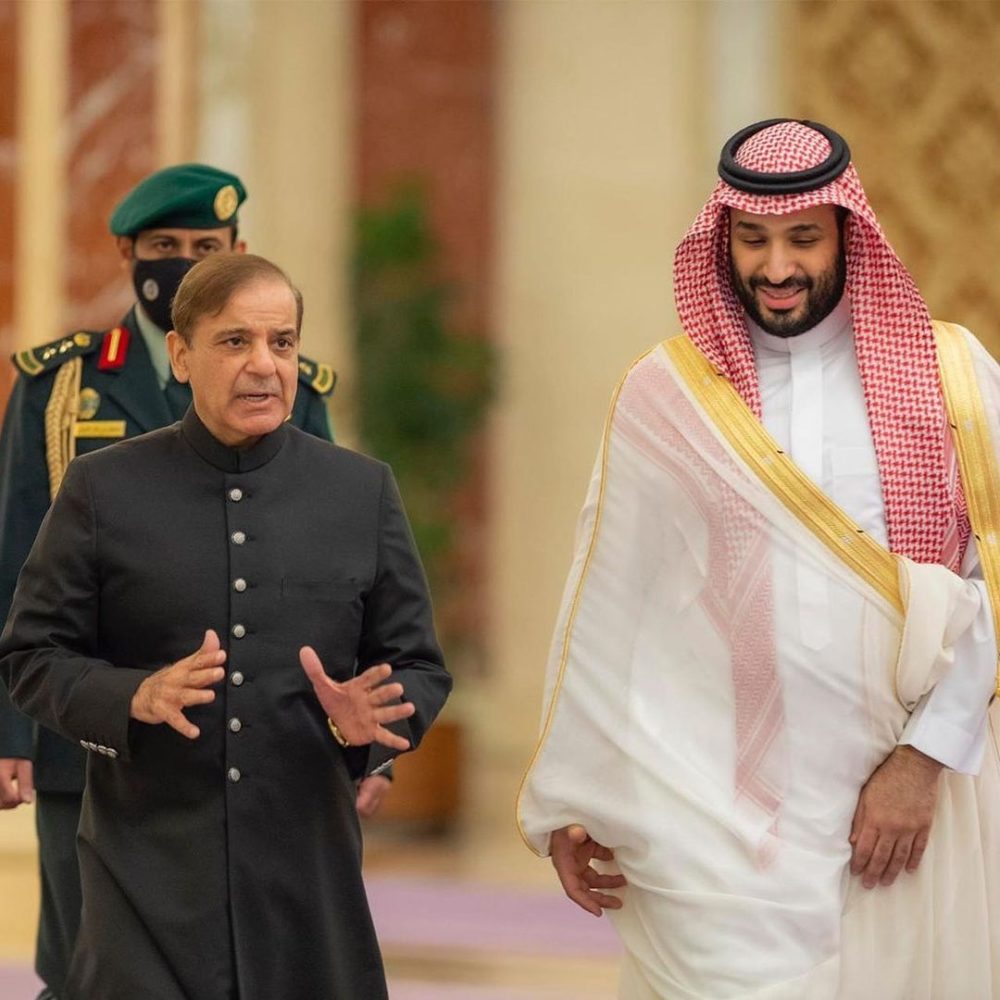
Pakistan Risks Overstretching Itself in Yemen War

Pakistan’s expanding military role in Saudi Arabia amid the Yemen conflict could strain its defence resources and fragile finances…reports Asian Lite News Desk Pakistan’s military involvement in the war in Yemen may prove unsustainable because of mounting financial pressures and competing security demands, according to a new report. Islamabad’s growing military presence in Saudi Arabia risks stretching its defence resources while exposing the country to greater strategic and economic challenges. An article by Andrew Wilson in One World Outlook describes Pakistan’s involvement as a case of “fiscal and strategic overreach”, arguing that the country lacks the financial flexibility to sustain an expanded military commitment. Pakistan’s external finances depend heavily on an International Monetary Fund (IMF) programme, financial support from Gulf countries and remittances from Pakistani workers in the region. The report argues that deeper military involvement in the conflict could place additional pressure on these sources of financial stability. It also warns that deploying troops and military equipment abroad could weaken Pakistan’s capacity to address security challenges along its eastern border and deal with two domestic insurgencies. The move could also draw Islamabad into a conflict it has sought to approach cautiously. A Reuters report in May, citing Pakistani security and government sources, said Islamabad had deployed around 8,000 troops, a squadron of approximately 16 aircraft, mostly JF-17 fighter jets, two drone squadrons and a Chinese HQ-9 air-defence battery to Saudi Arabia. According to those sources, Riyadh was financing the deployment, with Pakistani personnel operating the equipment. The sources also said a confidential agreement contemplated the possibility of deploying up to 80,000 troops. Islamabad has not confirmed those figures, although it has acknowledged its military presence in Saudi Arabia, including the deployment of fighter jets at King Abdulaziz Air Base from April. The One World Outlook article argues that Saudi financial support can cover allowances and operating expenses but cannot easily replace military equipment needed elsewhere or resolve the political and strategic challenges of participating in the Yemen conflict. Pakistan’s defence budget is another concern. For the 2026-27 financial year, the federal government allocated PKR 3 trillion, or approximately $10.8 billion, to defence services. The allocation represents an 18 per cent increase from the original PKR 2.55 trillion provision and amounts to around 2.1 per cent of projected gross domestic product (GDP). Defence spending accounts for approximately 16 per cent of the federal government’s PKR 18.8 trillion expenditure. Military pensions are budgeted separately at PKR 822 billion, while debt servicing costs stand at approximately PKR 8 trillion, more than two-and-a-half times the defence allocation. The report argues that these competing financial obligations leave little room for additional military expenditure without placing further pressure on public finances. Pakistan’s reliance on IMF assistance also limits its fiscal flexibility. The country must meet the conditions attached to the programme, including a primary budget surplus target of 2 per cent of GDP and continued restraint on development spending. According to the article, these requirements make it difficult for Islamabad to finance an additional military commitment without compromising other budgetary priorities. Pakistan’s economic indicators offer limited reassurance. Economic growth for the 2025-26 financial year is estimated at between 3.6 and 3.7 per cent, while inflation reached approximately 10.3 per cent in September following an energy price shock. Foreign exchange reserves stood at around $21.5 billion at the end of September. Although this marks an improvement from the low levels recorded in 2023, the report notes that the reserves cover only a few months of imports. Financial assistance from Gulf partners remains central to Pakistan’s external stability. The article says Islamabad holds approximately $8 billion in Saudi deposits at its central bank. In July, the State Bank of Pakistan said Riyadh had extended the maturity of $5 billion in deposits to December 2028, easing the country’s immediate external financing requirements. A further $3 billion deposit was also extended in the spring. However, the article argues that these arrangements provide temporary relief rather than long-term financial independence, particularly as regional conflict threatens the stability of the Gulf economies on which Pakistan relies. The report concludes that Pakistan faces a difficult balance between supporting Saudi Arabia militarily and preserving the financial and military resources needed to address its domestic and regional challenges.

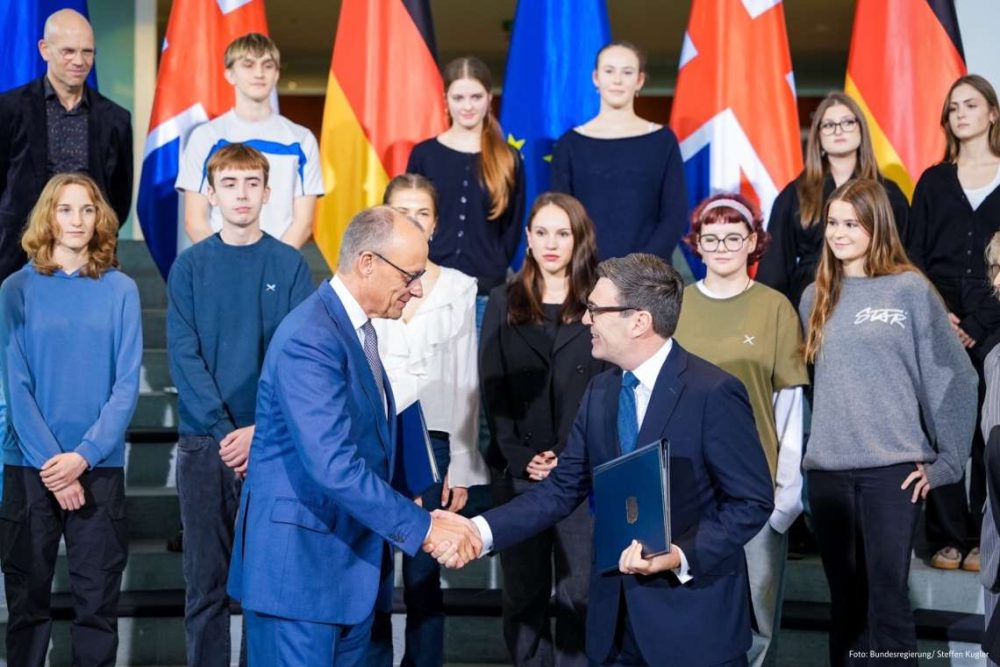
UK and Germany Ratify Kensington Treaty

Britain and Germany ratify the Kensington Treaty, agreeing new cooperation on AI, quantum research, defence and security while targeting investment, jobs and Russian hybrid threats…reports Asian Lite News Desk Britain and Germany

Economic tide is turning in Bangladesh

If there is one thing that can bring some comfort to the struggling Bangladeshi economy, it is good relations with India. Bangladesh should remember that Delhi’s backing, through easy supplies of essentials
Go toTop

Don't Miss

Sunak talks trade, AI and Ukraine on US trip

Sunak opened his visit by laying a wreath at the

Sunak to raise Britain’s minimum wage

Jeremy Hunt and PM set to accept an official recommendation