April 22, 2023
4 mins read

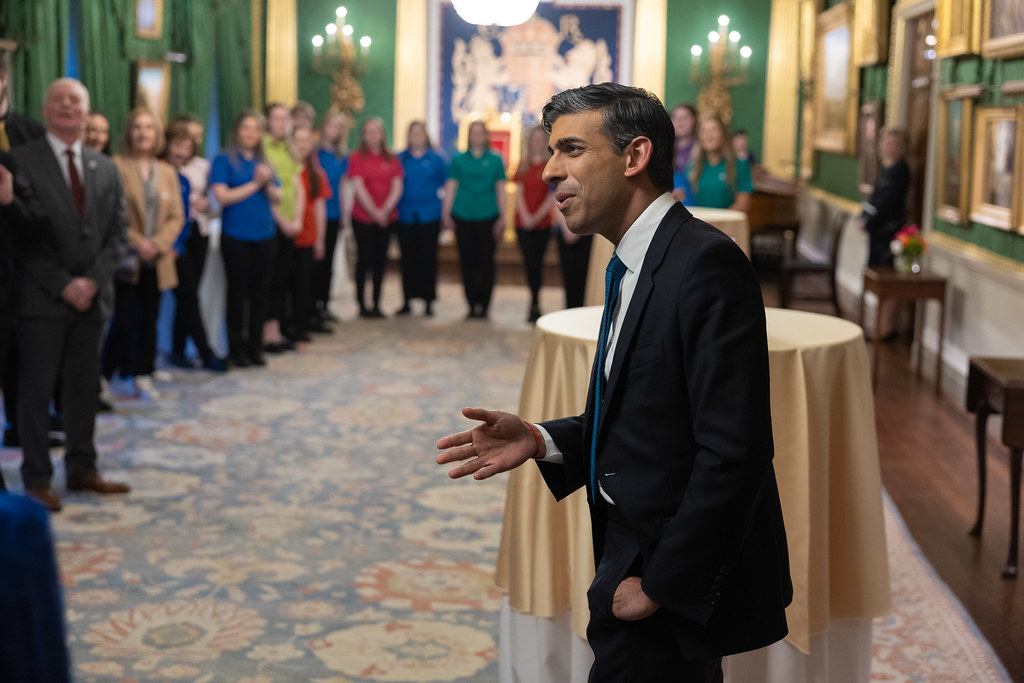
Sunak chairs COBRA meeting over Sudan

The US, France and China are also braced to bring out nationals in the face of deadly clashes, which have so far killed more than 400 people…reports Asian Lite News

Prime Minister Rishi Sunak has chaired an emergency COBRA meeting over the “extremely concerning” situation in Sudan. The UK plans to evacuate diplomats and nationals from Sudan, according to the head of the Sudanese army.

The US, France and China are also braced to bring out nationals in the face of deadly clashes, which have so far killed more than 400 people, according to the World Health Organisation.

A government spokesperson said: “We recognise that the situation is extremely concerning for British nationals trapped by the fighting in Sudan. We are doing everything possible to support British nationals and diplomatic staff in Khartoum, and the Ministry of Defence is working with the Foreign Office to prepare for a number of contingencies.”

The Foreign, Commonwealth and Development Office (FCDO) confirmed Defence Secretary Ben Wallace and Africa minister Andrew Mitchell attended the morning meeting in the Cabinet Office.

The Ministry of Defence (MoD) said it was planning for a wide range of scenarios, alongside the FCDO, on how it can assist in Sudan. Two COBRA meetings also took place yesterday.

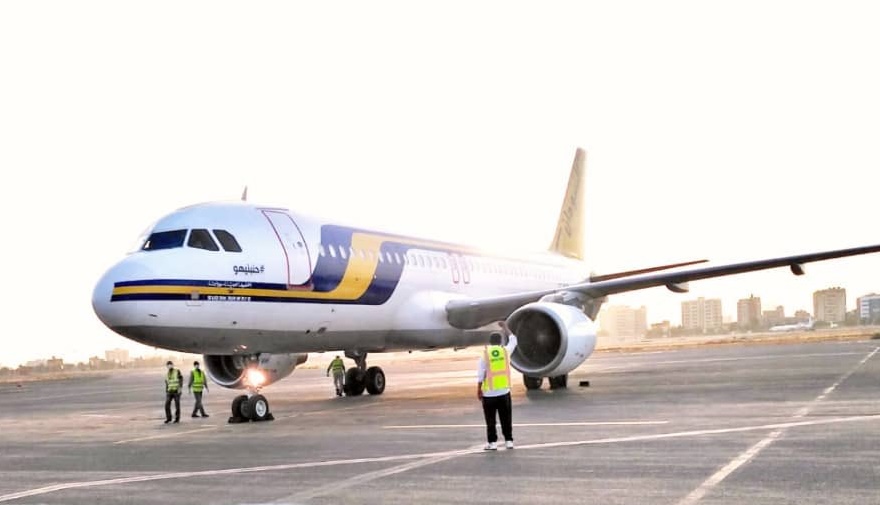
Britain had put troops and aircraft on standby at an overseas base in case they are needed to airlift embassy staff and UK citizens from the country.

A statement by the Sudanese military citing army chief Abdel Fatteh al Burhan said: “It is expected that the process of evacuation will begin in the coming few hours, as the United States, Britain, France and China will evacuate their diplomats and nationals by air with military transport planes belonging to their armed forces from Khartoum, and it is expected to start immediately.”

It follows promises by rival Mohamed Hamdan Dagalo, leader of the paramilitary Rapid Support Forces (RSF), to open airports for evacuations.

Diplomats from Saudi Arabia have already been taken out of the coastal city of Port Sudan and Jordan’s diplomats are due to follow suit.

A statement from the Ministry of Foreign Affairs of the Kingdom of Saudi Arabia, released on Saturday, said 91 citizens were evacuated, together with approximately 66 from “brotherly and friendly” countries – including Kuwait, Qatar, the United Arab Emirates, Egypt, Tunisia, Pakistan, Bulgaria, Bangladesh, the Philippines, Canada and Burkina Faso.

“We are pleased to announce the safe arrival of the citizens of the Kingdom who were evacuated from the Republic of Sudan, as well as several nationals of brotherly and friendly countries, including diplomats and international officials, who arrived in an evacuation operation carried out by the Royal Saudi Naval Forces, with the support of various branches of the armed forces,” the statement added.

British forces could also deploy to other airfields close to Sudan.

The United States and France – close allies of the UK – have bases in Djibouti, in the Horn of Africa.

The Pentagon said earlier this week that it was moving additional troops and equipment to a naval base in Djibouti to prepare for the evacuation of US embassy personnel.

But the White House said on Friday it had no plans for a government co-ordinated evacuation of an estimated 16,000 US citizens trapped in Sudan.

Prime Minister Rishi Sunak spoke to the president of Djibouti, Ismail Omar Guelleh, on Friday about the violence in Sudan, which was triggered by the two warring generals.

A Number 10 spokesman said the two leaders agreed to “continue to co-ordinate efforts to de-escalate the violence and protect civilians, including our citizens”.

There are thought to be dozens of UK diplomats and other officials at the embassy in Khartoum as well as hundreds of UK citizens in Sudan. The figure rises into the thousands if dual nationals are also included.

Fierce fighting has gripped Sudan for the past few days as the army and RSF wage a power struggle, which has left hundreds of people dead and forced residents to hide in their homes.

The two warring sides said on Friday that they had agreed to a ceasefire for the three-day Muslim holiday of Eid al-Fitr – but explosions and gunfire rang out across Khartoum on Saturday.

Two ceasefire attempts earlier this week also rapidly collapsed.

Okedi, who works for the Norwegian Refugee Council added: “The challenge is humanitarian workers do not have any guarantee of safety to access populations in need, so nothing is happening in terms of humanitarian work.”

He urged international action to ensure that supplies could get through to those in need.

The latest conflict has forced thousands to flee the fighting and cross the border into Chad, where refugee camps were already under pressure from people displaced by long-standing violence in Darfur.

A UK government spokesperson confirmed the MoD is supporting the FCDO “with prudent planning for various contingencies”.

The spokesperson added: “We are coordinating across government and with our international partners to provide the best ongoing consular assistance to British nationals and support for our diplomatic staff. We will continue to issue updates as the situation develops.”
ALSO READ-Dowden appointed Sunak’s deputy after Raab’s exit

Previous Story

Europe hit hardest by rising temperatures

Next Story

Prince William answers phone at Indian restaurant

Previous Story

Europe hit hardest by rising temperatures

Next Story

Prince William answers phone at Indian restaurant

Latest from -Top News

Pakistan Risks Overstretching Itself in Yemen War

Pakistan’s expanding military role in Saudi Arabia amid the Yemen conflict could strain its defence resources and fragile finances…reports Asian Lite News Desk Pakistan’s military involvement in the war in Yemen may prove unsustainable because of mounting financial pressures and competing security demands, according to a new report. Islamabad’s growing military presence in Saudi Arabia risks stretching its defence resources while exposing the country to greater strategic and economic challenges. An article by Andrew Wilson in One World Outlook describes Pakistan’s involvement as a case of “fiscal and strategic overreach”, arguing that the country lacks the financial flexibility to sustain an expanded military commitment. Pakistan’s external finances depend heavily on an International Monetary Fund (IMF) programme, financial support from Gulf countries and remittances from Pakistani workers in the region. The report argues that deeper military involvement in the conflict could place additional pressure on these sources of financial stability. It also warns that deploying troops and military equipment abroad could weaken Pakistan’s capacity to address security challenges along its eastern border and deal with two domestic insurgencies. The move could also draw Islamabad into a conflict it has sought to approach cautiously. A Reuters report in May, citing Pakistani security and government sources, said Islamabad had deployed around 8,000 troops, a squadron of approximately 16 aircraft, mostly JF-17 fighter jets, two drone squadrons and a Chinese HQ-9 air-defence battery to Saudi Arabia. According to those sources, Riyadh was financing the deployment, with Pakistani personnel operating the equipment. The sources also said a confidential agreement contemplated the possibility of deploying up to 80,000 troops. Islamabad has not confirmed those figures, although it has acknowledged its military presence in Saudi Arabia, including the deployment of fighter jets at King Abdulaziz Air Base from April. The One World Outlook article argues that Saudi financial support can cover allowances and operating expenses but cannot easily replace military equipment needed elsewhere or resolve the political and strategic challenges of participating in the Yemen conflict. Pakistan’s defence budget is another concern. For the 2026-27 financial year, the federal government allocated PKR 3 trillion, or approximately $10.8 billion, to defence services. The allocation represents an 18 per cent increase from the original PKR 2.55 trillion provision and amounts to around 2.1 per cent of projected gross domestic product (GDP). Defence spending accounts for approximately 16 per cent of the federal government’s PKR 18.8 trillion expenditure. Military pensions are budgeted separately at PKR 822 billion, while debt servicing costs stand at approximately PKR 8 trillion, more than two-and-a-half times the defence allocation. The report argues that these competing financial obligations leave little room for additional military expenditure without placing further pressure on public finances. Pakistan’s reliance on IMF assistance also limits its fiscal flexibility. The country must meet the conditions attached to the programme, including a primary budget surplus target of 2 per cent of GDP and continued restraint on development spending. According to the article, these requirements make it difficult for Islamabad to finance an additional military commitment without compromising other budgetary priorities. Pakistan’s economic indicators offer limited reassurance. Economic growth for the 2025-26 financial year is estimated at between 3.6 and 3.7 per cent, while inflation reached approximately 10.3 per cent in September following an energy price shock. Foreign exchange reserves stood at around $21.5 billion at the end of September. Although this marks an improvement from the low levels recorded in 2023, the report notes that the reserves cover only a few months of imports. Financial assistance from Gulf partners remains central to Pakistan’s external stability. The article says Islamabad holds approximately $8 billion in Saudi deposits at its central bank. In July, the State Bank of Pakistan said Riyadh had extended the maturity of $5 billion in deposits to December 2028, easing the country’s immediate external financing requirements. A further $3 billion deposit was also extended in the spring. However, the article argues that these arrangements provide temporary relief rather than long-term financial independence, particularly as regional conflict threatens the stability of the Gulf economies on which Pakistan relies. The report concludes that Pakistan faces a difficult balance between supporting Saudi Arabia militarily and preserving the financial and military resources needed to address its domestic and regional challenges.
Go toTop

Don't Miss

UN official optimistic about restoring peace in Sudan

Expressing deep concern over reports of sexual violence targeting women

UK govt bans smartphones in schools

The proliferation of smartphones in schools – Ofcom data says