August 7, 2024
3 mins read

Over 59k displaced in Manipur violence, says CM

The violence, which has erupted between the Imphal Valley-based Meitei community and the hill-dwelling Kuki-Zo groups since May last year, has led to more than 200 fatalities…reports Asian Lite News

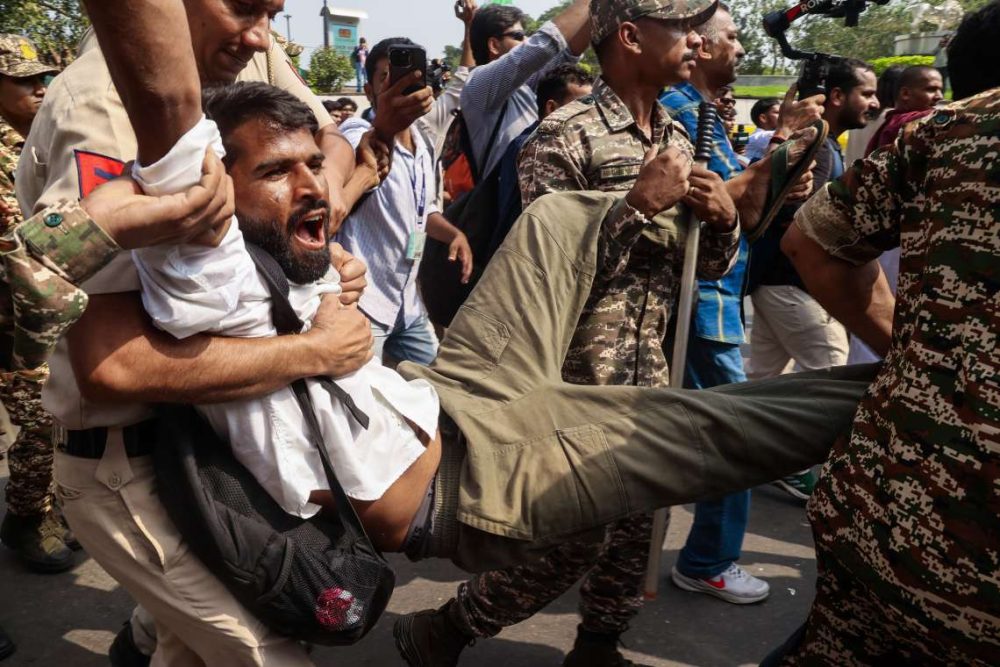
Manipur Chief Minister N Biren Singh informed the state Assembly on Monday that a total of 59,564 people have been displaced and 11,133 houses destroyed in fires due to ongoing violence in the region.

Responding to a question from Congress MLA K Ranjit, Singh stated that the state government has initiated relief efforts, including financial assistance under the ‘One Family One Lakh’ scheme. As part of this scheme, an initial installment of ₹25,000 has been deposited into the bank accounts of 2,792 individuals affected by the violence.

Specifically, the funds were transferred to 2,156 bank accounts in Kangpokpi district and 512 in Bishnupur district. The chief minister assured that the remaining eligible beneficiaries would receive their payments soon.

Singh emphasized that the current priority is to provide aid to those whose homes were completely gutted by fire. He acknowledged that some delays in the distribution of funds were due to land ownership disputes.

The violence, which has erupted between the Imphal Valley-based Meitei community and the hill-dwelling Kuki-Zo groups since May last year, has led to more than 200 fatalities and left thousands without shelter. The government continues to work on providing relief and addressing the complex issues arising from the ethnic conflict.

Chief Minister Biren Singh earlier said that Mizoram Chief Minister Lalduhoma has not been appointed as an “interlocutor” for peace talks in the wake of the ethnic violence in the state.

The Chief Minister told the Manipur assembly that the reports in a section of the media and social media were not true and that the Mizoram Chief Minister would mediate in the Manipur ethnic crisis and the peace talks.

Singh said that on the sideline of the NITI Aayog meeting in New Delhi on July 27, he met with Assam Chief Minister (Himanta Biswa Sarma), Nagaland Chief Minister (Neiphiu Rio) and Mizoram Chief Minister and held casual interactions on a few issues on the northeastern states.

“During the casual interaction with the Mizoram Chief Minister, I had requested him to visit Manipur. These casual conversations were interpreted otherwise and blown out of proportion with many saying Lalduhoma has been appointed as interlocutor,” he said.

The Chief Minister said that the Prime Minister’s Office or the Ministry of Home Affairs (MHA) has the authority to appoint an interlocutor for a certain purpose.

So far no such steps have been taken or discussed, he told the house.

An official of Mizoram Chief Minister’s Office earlier said that Lalduhoma held a meeting with Union Home Minister Amit Shah in his residence in New Delhi on August 1 and urged him to hold talks with the tribal leaders of Manipur, as part of the efforts to resolve the ethnic crisis prevailing in the neighbouring state.

Due to the ethnic, cultural and traditional similarities between Manipur’s Kuki-Zo-Hmar tribes with the Mizos of Mizoram, the tribal leaders of Manipur held meetings on several occasions in Aizawl with the incumbent Chief Minister Lalduhoma and former Chief Minister Zoramthanga, when he was in office, and discussed the ethnic violence and the tribals’ sufferings in the neighbouring country.

ALSO READ: India releases new Haj policy, adjusts quota
Previous Story

TRAI targets spam calls, demands telecom action

Next Story

Delhi HC says no malice in Kejriwal’s arrest

Previous Story

TRAI targets spam calls, demands telecom action

Next Story

Delhi HC says no malice in Kejriwal’s arrest

Latest from -Top News

Pakistan Risks Overstretching Itself in Yemen War

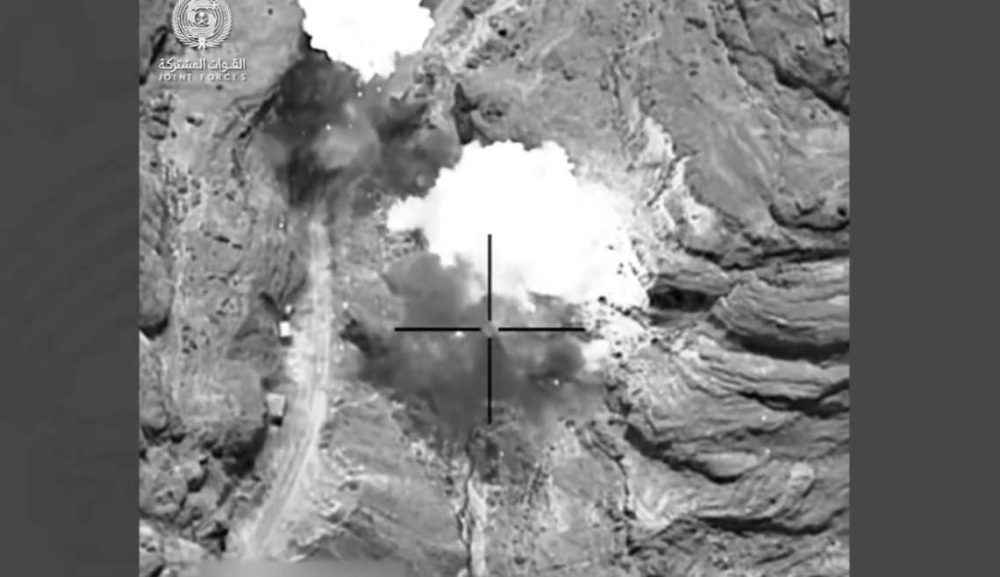
Pakistan’s expanding military role in Saudi Arabia amid the Yemen conflict could strain its defence resources and fragile finances…reports Asian Lite News Desk Pakistan’s military involvement in the war in Yemen may prove unsustainable because of mounting financial pressures and competing security demands, according to a new report. Islamabad’s growing military presence in Saudi Arabia risks stretching its defence resources while exposing the country to greater strategic and economic challenges. An article by Andrew Wilson in One World Outlook describes Pakistan’s involvement as a case of “fiscal and strategic overreach”, arguing that the country lacks the financial flexibility to sustain an expanded military commitment. Pakistan’s external finances depend heavily on an International Monetary Fund (IMF) programme, financial support from Gulf countries and remittances from Pakistani workers in the region. The report argues that deeper military involvement in the conflict could place additional pressure on these sources of financial stability. It also warns that deploying troops and military equipment abroad could weaken Pakistan’s capacity to address security challenges along its eastern border and deal with two domestic insurgencies. The move could also draw Islamabad into a conflict it has sought to approach cautiously. A Reuters report in May, citing Pakistani security and government sources, said Islamabad had deployed around 8,000 troops, a squadron of approximately 16 aircraft, mostly JF-17 fighter jets, two drone squadrons and a Chinese HQ-9 air-defence battery to Saudi Arabia. According to those sources, Riyadh was financing the deployment, with Pakistani personnel operating the equipment. The sources also said a confidential agreement contemplated the possibility of deploying up to 80,000 troops. Islamabad has not confirmed those figures, although it has acknowledged its military presence in Saudi Arabia, including the deployment of fighter jets at King Abdulaziz Air Base from April. The One World Outlook article argues that Saudi financial support can cover allowances and operating expenses but cannot easily replace military equipment needed elsewhere or resolve the political and strategic challenges of participating in the Yemen conflict. Pakistan’s defence budget is another concern. For the 2026-27 financial year, the federal government allocated PKR 3 trillion, or approximately $10.8 billion, to defence services. The allocation represents an 18 per cent increase from the original PKR 2.55 trillion provision and amounts to around 2.1 per cent of projected gross domestic product (GDP). Defence spending accounts for approximately 16 per cent of the federal government’s PKR 18.8 trillion expenditure. Military pensions are budgeted separately at PKR 822 billion, while debt servicing costs stand at approximately PKR 8 trillion, more than two-and-a-half times the defence allocation. The report argues that these competing financial obligations leave little room for additional military expenditure without placing further pressure on public finances. Pakistan’s reliance on IMF assistance also limits its fiscal flexibility. The country must meet the conditions attached to the programme, including a primary budget surplus target of 2 per cent of GDP and continued restraint on development spending. According to the article, these requirements make it difficult for Islamabad to finance an additional military commitment without compromising other budgetary priorities. Pakistan’s economic indicators offer limited reassurance. Economic growth for the 2025-26 financial year is estimated at between 3.6 and 3.7 per cent, while inflation reached approximately 10.3 per cent in September following an energy price shock. Foreign exchange reserves stood at around $21.5 billion at the end of September. Although this marks an improvement from the low levels recorded in 2023, the report notes that the reserves cover only a few months of imports. Financial assistance from Gulf partners remains central to Pakistan’s external stability. The article says Islamabad holds approximately $8 billion in Saudi deposits at its central bank. In July, the State Bank of Pakistan said Riyadh had extended the maturity of $5 billion in deposits to December 2028, easing the country’s immediate external financing requirements. A further $3 billion deposit was also extended in the spring. However, the article argues that these arrangements provide temporary relief rather than long-term financial independence, particularly as regional conflict threatens the stability of the Gulf economies on which Pakistan relies. The report concludes that Pakistan faces a difficult balance between supporting Saudi Arabia militarily and preserving the financial and military resources needed to address its domestic and regional challenges.
Go toTop

Don't Miss

GCCs in India Plan Major Workforce Expansions

India is emerging as the global leader in the global

Stalin lashes out at Centre, calls union budget a revenge

Stalin said that generally even the BJP government used to