May 22, 2024
1 min read

India-UK hold defence equipment sub-group meet

This was the first time a Royal Navy vessel underwent maintenance at an Indian shipyard – a direct result of the logistics-sharing agreement signed between the UK and India in 2022…reports Asian Lite News

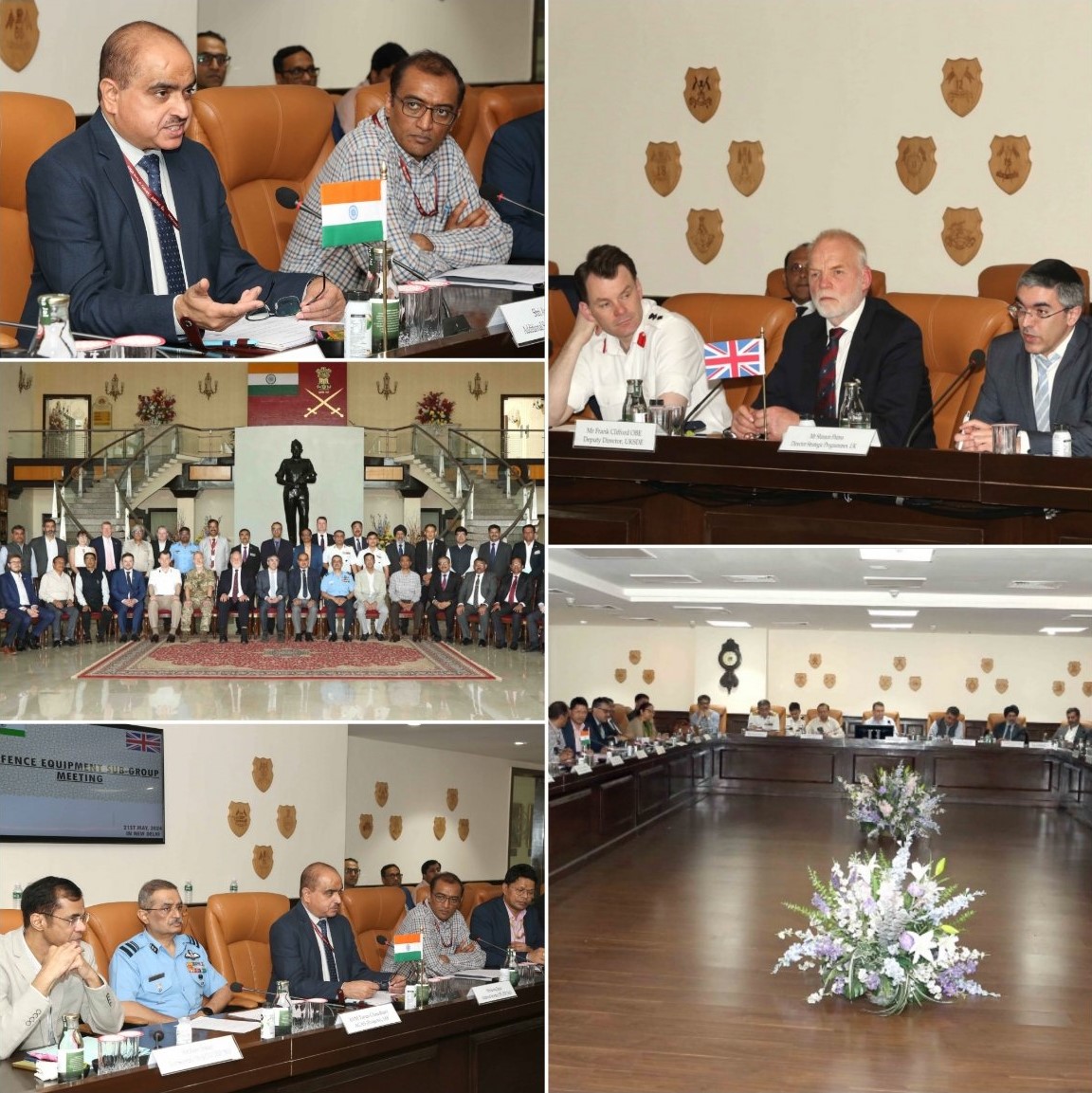
India-UK Defence Equipment Sub-Group and Industry Oversight Working Group meetings were held on Tuesday in the national capital.

The Defence Equipment Sub-Group meeting was co-chaired by Anurag Bajpai, the Additional Secretary of the Department of Defence, Ministry of Defence and Shimon Fhima, the Director of Strategic Programmes, UK Ministry of Defence.

The Industry Oversight Working Group meeting was co-chaired by Air Vice Marshal Tarun Chaudhry ACAS (Projects), Indian Air Force and Frank Clifford OBE, Deputy Director of UK Security and Defence Export, UK Government, the spokesperson of Defence Ministry, A Bharat Bhushan Babu, said in a statement.

Recently, the Littoral Response Group (LRG) arrived in Chennai on March 26 as the first engagement of the UK’s deployment to the Indian Ocean region. Littoral Response Group is a UK Royal Navy task group.

The Littoral Response Group (South) is a multi-functional amphibious task force equipped to undertake a wide spectrum of activity in the littoral environment. It consists of the ships Royal Fleet Auxiliary and RFA Lyme Bay with embarked forces centred on a Royal Marines strike force.

Notably, this was the first time a Royal Navy vessel underwent maintenance at an Indian shipyard – a direct result of the logistics-sharing agreement signed between the UK and India in 2022.

Earlier, during Defence Minister Rajnath Singh’s UK visit, India and UK agreed that the latter would send its naval groups — Littoral Response Group and Carrier Strike Group — to the Indian Ocean Region, in addition to holding multiple joint military exercises and expanding defence cooperation with India.

In the coming years, the UK and India will also embark on more complex exercises between their respective militaries, building up to a landmark joint exercise to be conducted before the end of 2030, supporting shared goals of protecting critical trade routes and upholding the international rules-based system, the UK government informed in a release. (ANI)

ALSO READ-Sunak plans to tweak Graduate Route visa

Previous Story

Manish Tewari questions UP CM on Covid management

Next Story

‘Mr & Mrs Mahi’ Song ‘Agar Ho Tum’ Celebrates Love, Says Jubin Nautiyal

Previous Story

Manish Tewari questions UP CM on Covid management

Next Story

‘Mr & Mrs Mahi’ Song ‘Agar Ho Tum’ Celebrates Love, Says Jubin Nautiyal

Latest from -Top News

Pakistan Risks Overstretching Itself in Yemen War

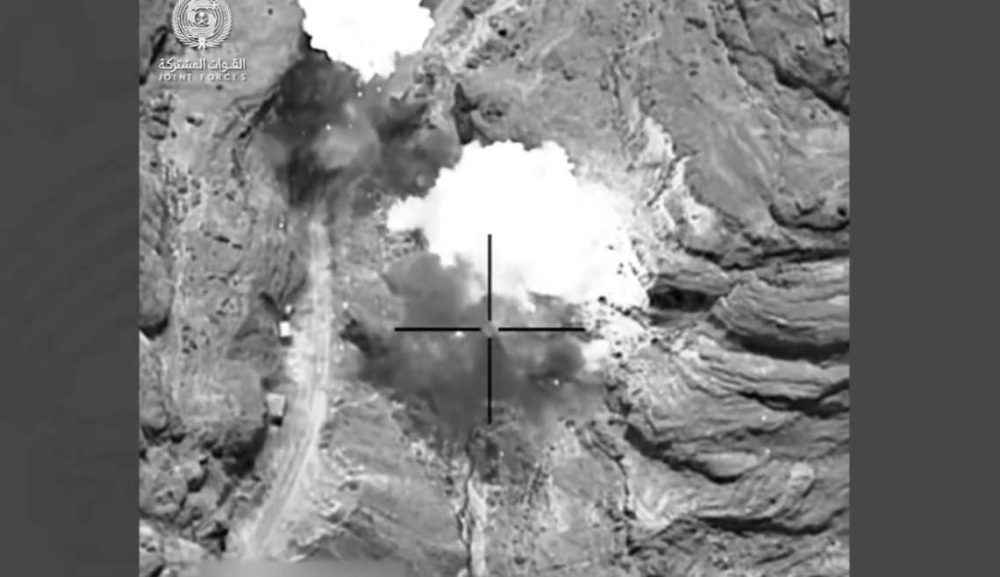
Pakistan’s expanding military role in Saudi Arabia amid the Yemen conflict could strain its defence resources and fragile finances…reports Asian Lite News Desk Pakistan’s military involvement in the war in Yemen may prove unsustainable because of mounting financial pressures and competing security demands, according to a new report. Islamabad’s growing military presence in Saudi Arabia risks stretching its defence resources while exposing the country to greater strategic and economic challenges. An article by Andrew Wilson in One World Outlook describes Pakistan’s involvement as a case of “fiscal and strategic overreach”, arguing that the country lacks the financial flexibility to sustain an expanded military commitment. Pakistan’s external finances depend heavily on an International Monetary Fund (IMF) programme, financial support from Gulf countries and remittances from Pakistani workers in the region. The report argues that deeper military involvement in the conflict could place additional pressure on these sources of financial stability. It also warns that deploying troops and military equipment abroad could weaken Pakistan’s capacity to address security challenges along its eastern border and deal with two domestic insurgencies. The move could also draw Islamabad into a conflict it has sought to approach cautiously. A Reuters report in May, citing Pakistani security and government sources, said Islamabad had deployed around 8,000 troops, a squadron of approximately 16 aircraft, mostly JF-17 fighter jets, two drone squadrons and a Chinese HQ-9 air-defence battery to Saudi Arabia. According to those sources, Riyadh was financing the deployment, with Pakistani personnel operating the equipment. The sources also said a confidential agreement contemplated the possibility of deploying up to 80,000 troops. Islamabad has not confirmed those figures, although it has acknowledged its military presence in Saudi Arabia, including the deployment of fighter jets at King Abdulaziz Air Base from April. The One World Outlook article argues that Saudi financial support can cover allowances and operating expenses but cannot easily replace military equipment needed elsewhere or resolve the political and strategic challenges of participating in the Yemen conflict. Pakistan’s defence budget is another concern. For the 2026-27 financial year, the federal government allocated PKR 3 trillion, or approximately $10.8 billion, to defence services. The allocation represents an 18 per cent increase from the original PKR 2.55 trillion provision and amounts to around 2.1 per cent of projected gross domestic product (GDP). Defence spending accounts for approximately 16 per cent of the federal government’s PKR 18.8 trillion expenditure. Military pensions are budgeted separately at PKR 822 billion, while debt servicing costs stand at approximately PKR 8 trillion, more than two-and-a-half times the defence allocation. The report argues that these competing financial obligations leave little room for additional military expenditure without placing further pressure on public finances. Pakistan’s reliance on IMF assistance also limits its fiscal flexibility. The country must meet the conditions attached to the programme, including a primary budget surplus target of 2 per cent of GDP and continued restraint on development spending. According to the article, these requirements make it difficult for Islamabad to finance an additional military commitment without compromising other budgetary priorities. Pakistan’s economic indicators offer limited reassurance. Economic growth for the 2025-26 financial year is estimated at between 3.6 and 3.7 per cent, while inflation reached approximately 10.3 per cent in September following an energy price shock. Foreign exchange reserves stood at around $21.5 billion at the end of September. Although this marks an improvement from the low levels recorded in 2023, the report notes that the reserves cover only a few months of imports. Financial assistance from Gulf partners remains central to Pakistan’s external stability. The article says Islamabad holds approximately $8 billion in Saudi deposits at its central bank. In July, the State Bank of Pakistan said Riyadh had extended the maturity of $5 billion in deposits to December 2028, easing the country’s immediate external financing requirements. A further $3 billion deposit was also extended in the spring. However, the article argues that these arrangements provide temporary relief rather than long-term financial independence, particularly as regional conflict threatens the stability of the Gulf economies on which Pakistan relies. The report concludes that Pakistan faces a difficult balance between supporting Saudi Arabia militarily and preserving the financial and military resources needed to address its domestic and regional challenges.
Go toTop

Don't Miss

Gavaskar Tips Rohit-Kohli Opening Pair

Gavaskar named his playing 11 for India’s opening encounter in

Quad Condemns Pahalgam Terror Attack

The Quad nations strongly condemned the Pahalgam terror attack and