A key reason India can sustain this level of maritime policing is the Navy’s steady modernisation and the country’s rising indigenous shipbuilding capacity, writes Commodore (Dr) Johnson Odakkal (Retd)
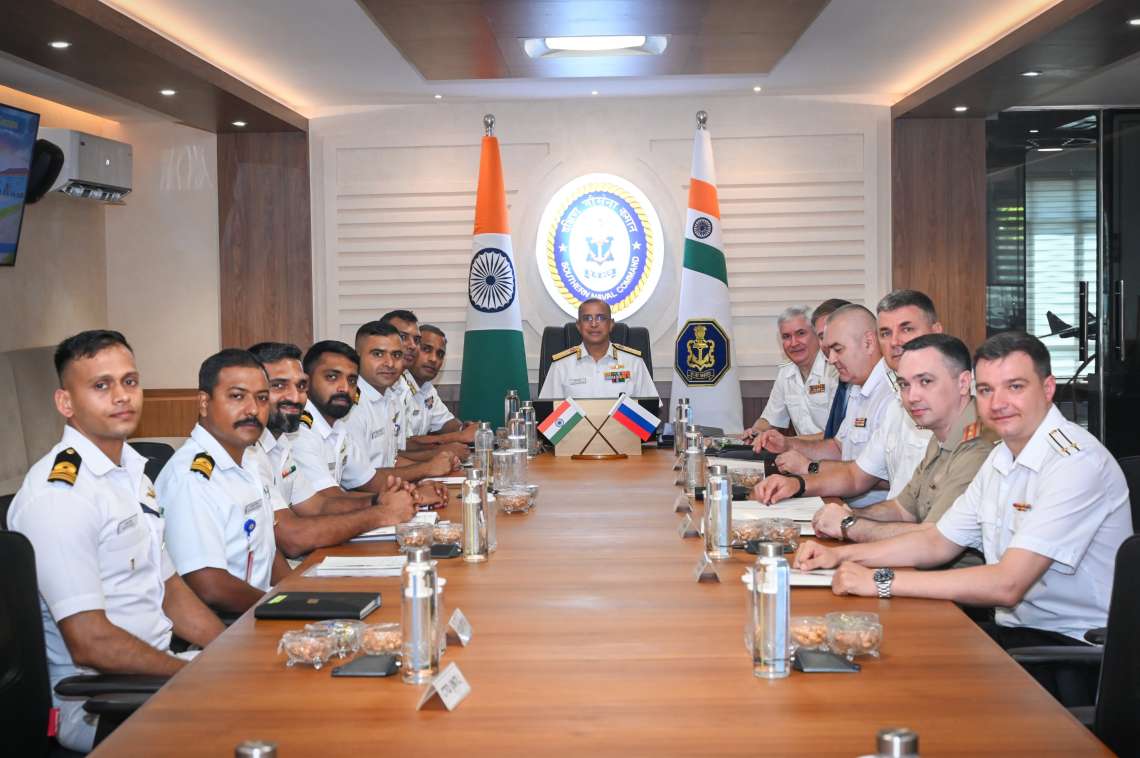
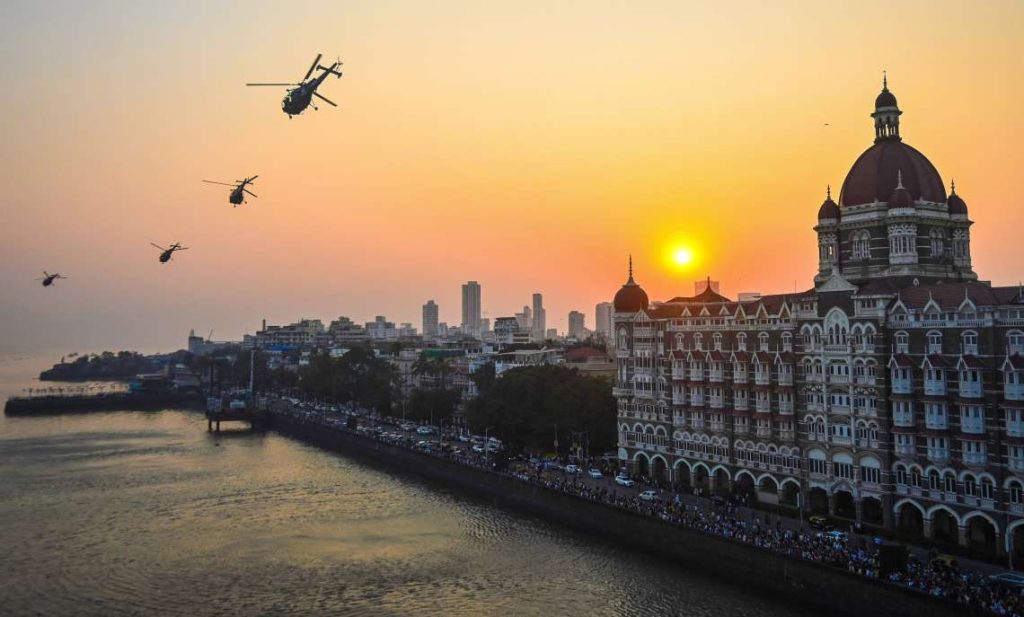
When Pakistan-backed terrorists infiltrated Mumbai on 26 November 2008, India confronted the stark reality that coastal vulnerabilities could no longer be treated as administrative issues. The Government of India responded by designating the Indian Navy as the principal agency for maritime security, giving it the responsibility to coordinate all civilian and military stakeholders and to build a national architecture that could prevent a repeat of such an attack. Over the next decade and a half, the Navy assumed the role of system integrator, fusing intelligence, surveillance and enforcement into a single national grid. Every maritime success that India records today, including the Coast Guard’s major interdictions, flows from this Navy-led reorganisation.
This context is essential to understanding why the interception of over 300 kilogrammes of methamphetamine worth ₹1,800 crore off the Gujarat coast in April 2025 was not an isolated achievement. Rather, it was a reflection of the depth of India’s naval-led maritime policing. While the Coast Guard remains a crucial enforcement arm, the operational backbone, the decision-making centre and the intelligence-fusion engine that make these interdictions possible are all housed within the Indian Navy’s expanded post-26/11 mandate.
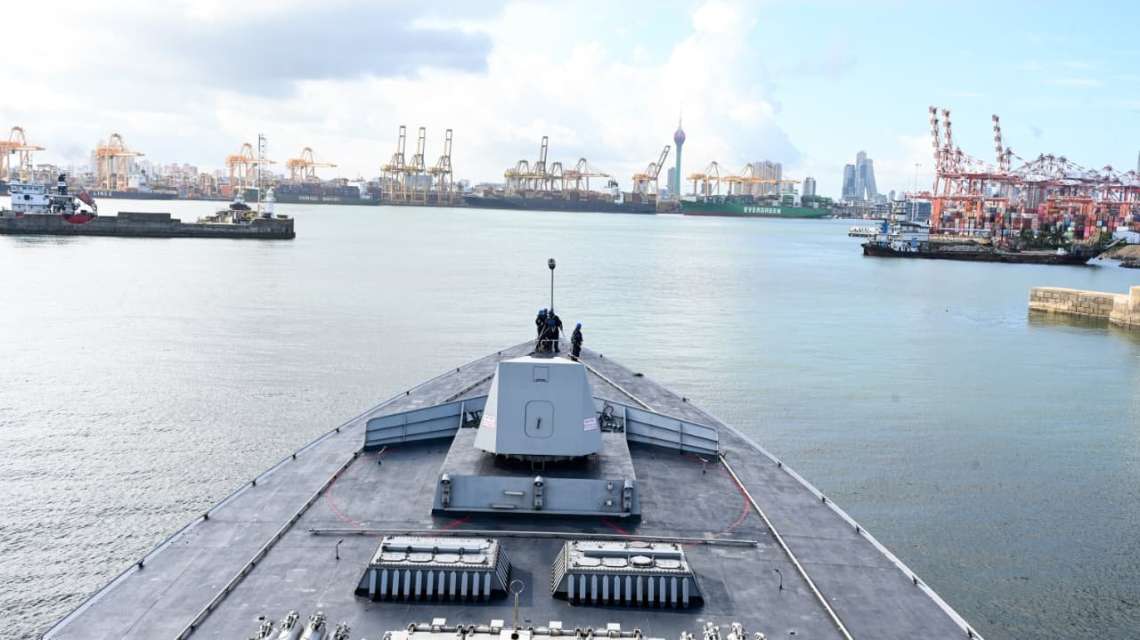
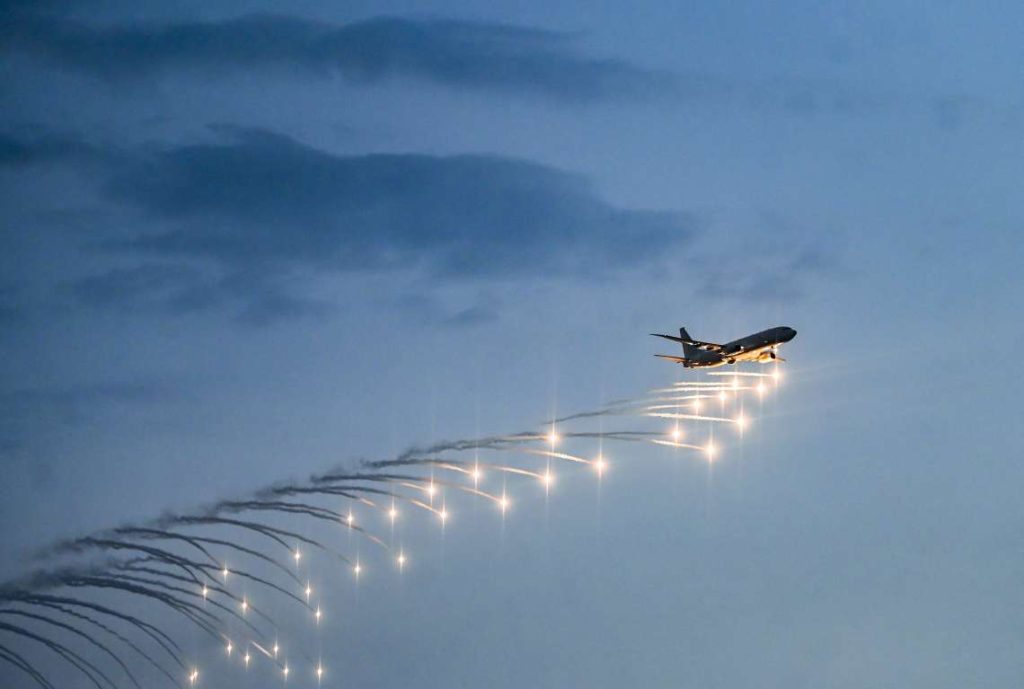
It is the Navy that maintains the country’s strategic maritime posture. It deploys multi-mission warships, long-range aircraft and persistent surveillance assets across vast sea lanes, giving India the reach to detect suspicious vessels long before they enter the coastal belt. These deployments are not episodic. The Navy sustains them through large-scale operations such as Operation Sankalp, launched in 2019 and significantly expanded in 2024. In its first one hundred days after expansion, the Navy responded to eighteen maritime incidents, conducted nearly one thousand boarding operations, rescued one hundred and ten mariners, escorted hundreds of merchant ships carrying goods valued in the billions of dollars and seized more than three thousand kilogrammes of high-value narcotics. These figures reflect the depth of force availability and the ability to project maritime policing far beyond territorial waters.
The Coast Guard operates within this larger framework and benefits from the intelligence, cueing and surveillance foundations created by the Navy. While the Coast Guard deploys 55 to 60 surface platforms on any given day, its ability to execute precision interdictions depends heavily on information support and maritime domain awareness generated through naval systems. The Indian Navy runs the Information Management and Analysis Centre, which integrates coastal radar chains, Automatic Identification System feeds, electro-optical sensors and satellite inputs into a shared operational picture. This information converges at the Information Fusion Centre–Indian Ocean Region in Gurugram, a Navy-led hub that operates around the clock and connects with seventy-six partner entities across twenty-eight countries. Fifteen nations maintain liaison officers at the IFC-IOR, enabling rapid information exchange that strengthens interdiction capability across the Indian Ocean.
This system has transformed India’s ability to intercept vessels long before they reach coastal approaches, enabling the Coast Guard to seize everything from small consignments of heroin to historic hauls such as the 5.5-tonne narcotics seizure in the Andaman Sea in November 2024. Even these record-breaking Coast Guard operations are best understood as the final tactical actions of a wider Navy-led surveillance, intelligence and tracking ecosystem.
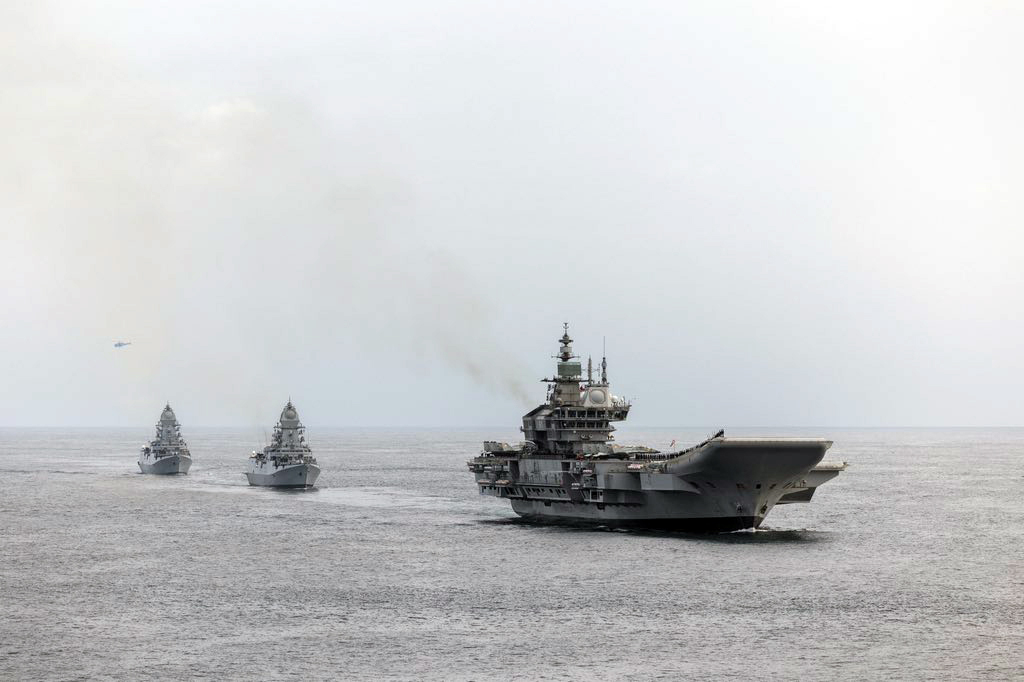
A key reason India can sustain this level of maritime policing is the Navy’s steady modernisation and the country’s rising indigenous shipbuilding capacity. Indian shipyards are constructing fifty-four warships and submarines, with more than forty indigenous platforms delivered since 2014. On average, a new platform has entered service every forty days. Indigenous content now exceeds eighty percent across major naval projects. This not only strengthens military readiness but also allows India to maintain continuous presence in distant waters, protect shipping, and sustain a tempo of operations that regional navies cannot match.
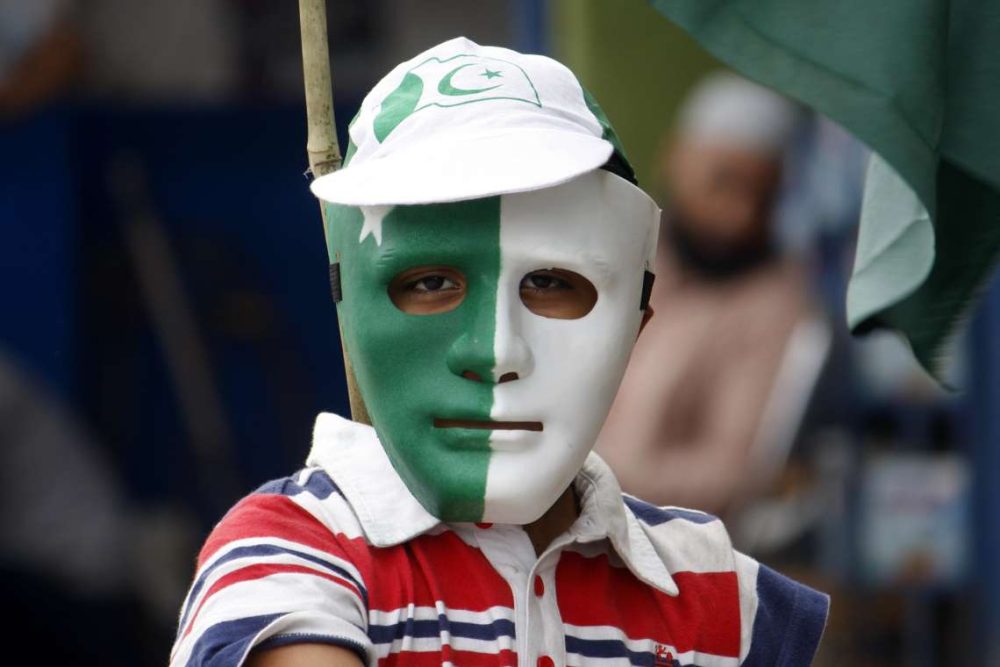
Pakistan’s maritime forces face the opposite reality. Their structure is fragmented, with the Pakistan Navy, the Pakistan Maritime Security Agency and the Pakistan Coast Guards operating under separate authorities with different mandates. The Pakistan Navy receives a small share of the national defence budget, limiting even routine patrol cycles. The PMSA is Navy-managed but institutionally distinct, while the Coast Guards fall under the Ministry of Interior and possess almost no deep-sea capability. This fragmentation translates into inconsistent enforcement, inadequate surveillance and weak interdiction beyond the immediate coastline. Pakistan’s drug-trafficking networks exploit these gaps with ease, and Islamabad’s seizures tend to be sporadic rather than systematic.
India’s model, in contrast, has produced a seamless continuum from detection to interdiction. The Navy detects anomalies, coordinates with civilian agencies, tasks the Coast Guard or naval assets for interception and ensures that enforcement is supported by intelligence, documentation and legal follow-through. As a result, narcotics, arms shipments, migrant-smuggling boats and suspicious Pakistani vessels are intercepted with a frequency and precision that no other regional maritime force can match.
These capabilities have strengthened India’s position as the First Responder and Preferred Security Partner across the Indian Ocean. Gulf navies increasingly rely on Indian naval support, whether through joint exercises, maritime security assistance or protection of merchant shipping. The Navy’s ability to secure sea lanes without coercion aligns with India’s SAGAR and MAHASAGAR frameworks, which prioritise cooperative maritime stability. Initiatives like the Indian Ocean Ship Sagar, staffed by personnel from nine nations, reflect India’s willingness to expand capacity among partners rather than dominate them.
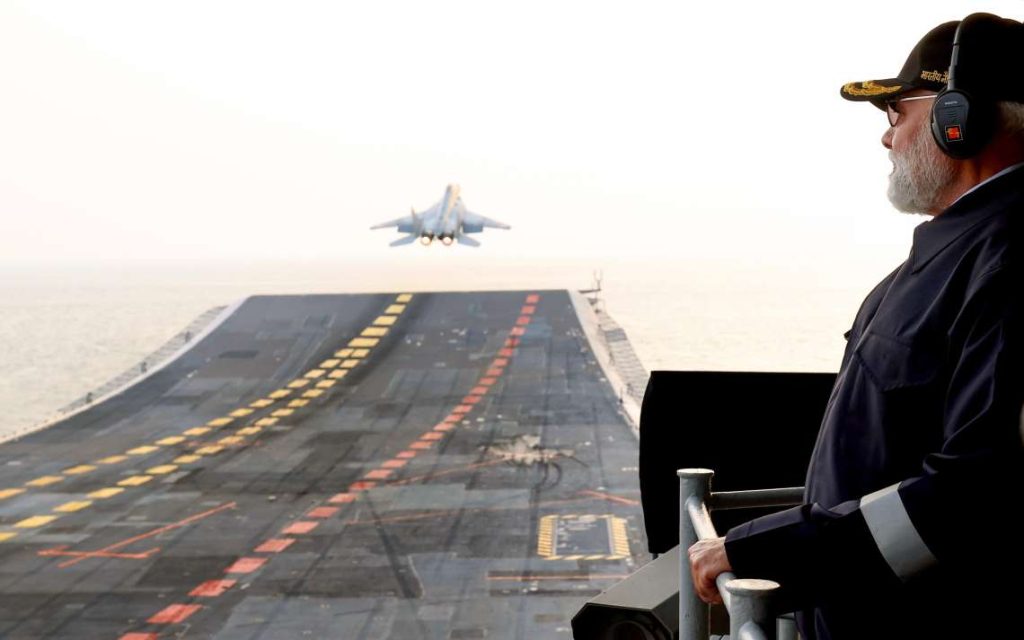
India’s maritime credibility rests on a simple fact: its Navy operates a national security architecture that blends intelligence, enforcement, technology and indigenous capacity into a coherent system. The Coast Guard’s achievements are real, but they exist within a wider structure that only the Navy has the mandate and capability to build and sustain. Regional navies, particularly Pakistan’s, cannot replicate this model because they lack the institutional integration, financial depth and maritime awareness systems that underpin India’s success.
In an era when narcotics trafficking, arms smuggling, piracy and maritime coercion are expanding across the Indian Ocean, India stands out not because of rhetoric but because of results. Its Navy remains the frontline force—coordinating, cueing, protecting and enforcing—a role that has elevated India to a position of genuine strategic weight in the region.
(Commodore (Dr.) Johnson Odakkal is a maritime scholar, strategic affairs analyst, and Indian Navy veteran. He serves as Adjunct Faculty of Maritime and Strategic Studies at Naval War College, Goa.)