UK expands US access to bases for Hormuz strikes, triggering political backlash and Iranian warnings as tensions rise over global oil routes and regional security.
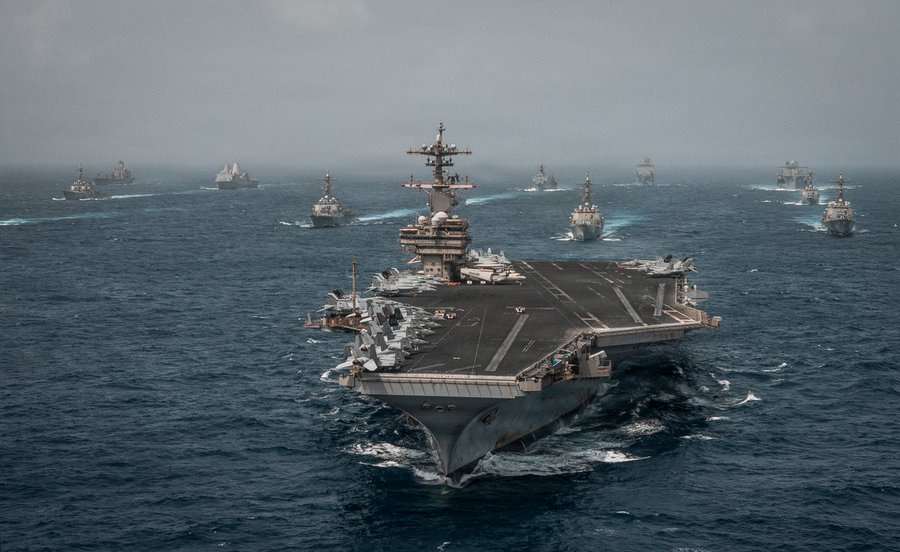
The UK government has expanded permission for the United States to use British military bases to launch strikes on Iranian-linked targets threatening the Strait of Hormuz, marking a significant escalation in London’s involvement in the deepening regional crisis.
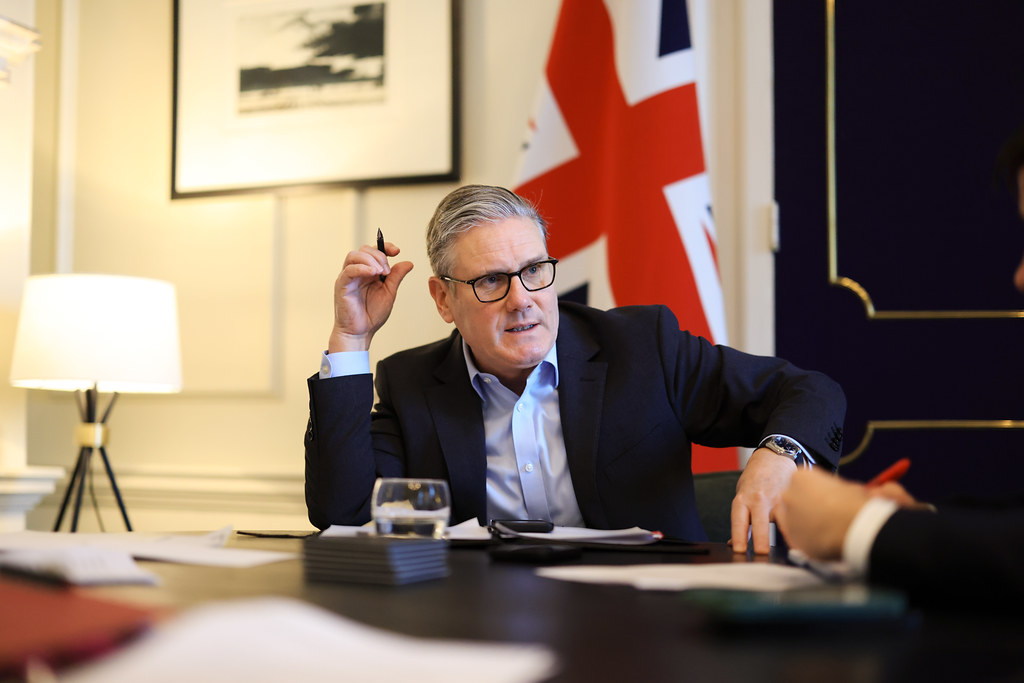
Downing Street confirmed that ministers approved the move on Friday, allowing US forces to go beyond strictly defensive operations and target missile capabilities believed to be endangering commercial shipping in the vital oil corridor. The decision builds on earlier authorisation by Prime Minister Keir Starmer, who had initially restricted US use of UK bases to defensive actions aimed at protecting British interests and lives.
Officials stressed that the revised arrangement still falls under the principle of “collective self-defence” and insisted that the UK would not be directly involved in carrying out the strikes. However, the shift underscores growing Western concern over the security of one of the world’s most critical energy routes.
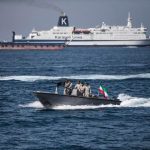
The Strait of Hormuz handles roughly a fifth of global oil supply, making any disruption a matter of international economic significance. Shipping traffic has already fallen sharply amid rising threats, with fewer than 100 vessels passing through since early March compared with pre-conflict averages of around 138 per day.
US President Donald Trump criticised the UK’s initial hesitation, saying Britain “should have acted a lot faster” and describing the eventual decision as overdue given the longstanding alliance between the two countries. His remarks came as Washington intensified pressure on NATO allies to support efforts to secure the waterway.
Iran, meanwhile, issued a stark warning. Foreign minister Seyyed Abbas Araghchi accused London of effectively participating in aggression, claiming the decision puts British lives at risk and signalling that Tehran would exercise its right to self-defence. The warning followed a direct exchange with UK Foreign Secretary Yvette Cooper, during which both sides traded accusations over escalating attacks and responsibility for the crisis.
Within the UK, the move has triggered a sharp political backlash. Conservative leader Kemi Badenoch branded the decision the “mother of all U-turns”, arguing that the government had reversed its earlier stance on limiting involvement. Liberal Democrat foreign affairs spokesperson Calum Miller warned that Britain risked being drawn deeper into a US-led conflict, calling for a parliamentary vote on the arrangement.
Green Party co-leader Zack Polanski echoed those concerns, describing the move as a worrying escalation and insisting MPs must be given a say on any expanded role.
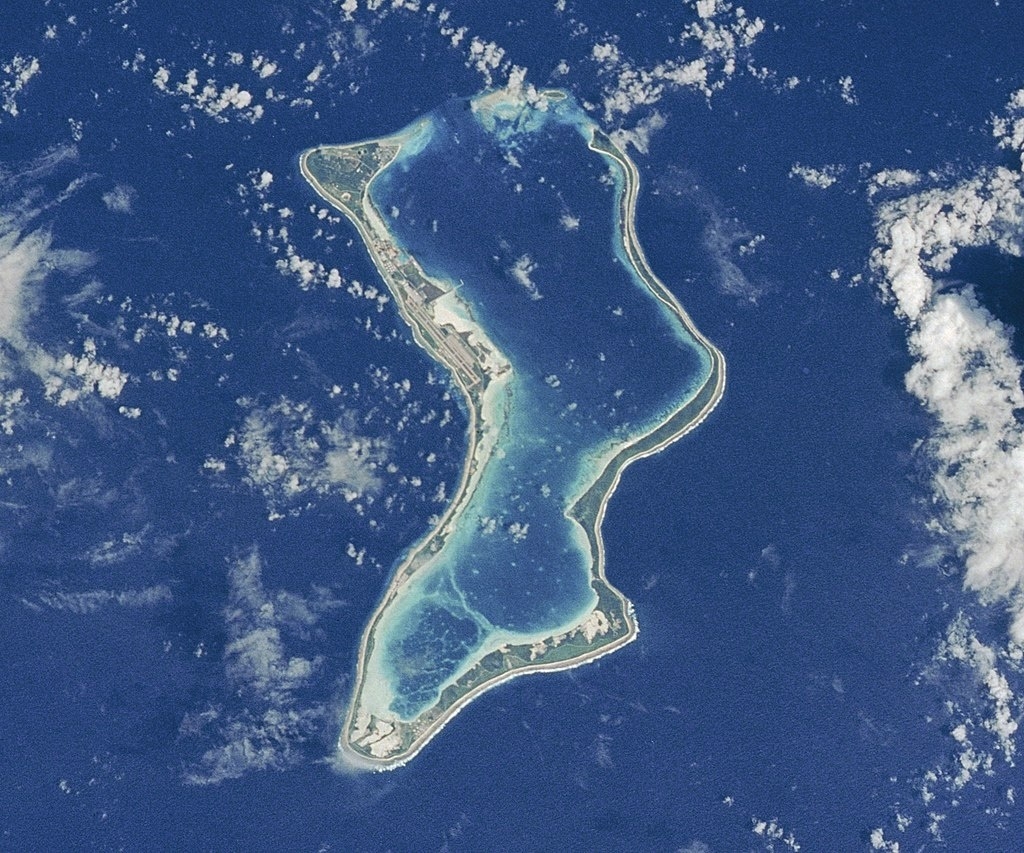
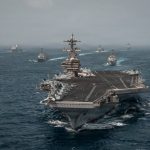
The US has relied on key British facilities, including RAF Fairford and Diego Garcia, to support operations in the region. UK military planners are also working alongside US Central Command to assess options for ensuring safe passage for oil tankers through the strait.
Despite the heightened tensions, Downing Street maintained that its core approach remains unchanged, emphasising the need for urgent de-escalation. A spokesperson said ministers were concerned that Iranian strikes on vessels, including those linked to British and allied interests, risked pushing the region into a broader crisis with global economic consequences.
The government also reiterated calls for restraint, with Cooper urging a comprehensive halt to attacks on civilian infrastructure, including oil and gas facilities.
Yet the diplomatic space appears to be narrowing. Tehran has made clear it views any UK facilitation of US military action as direct involvement, while Washington continues to frame the reopening of the strait as both necessary and achievable.