UK and India have confirmed that their long-awaited Free Trade Agreement will come into force on July 15, following months of preparation by both governments. The deal is expected to reduce tariffs across a wide range of sectors, boost bilateral trade and provide new opportunities for businesses in both countries, reports London Daily News Desk
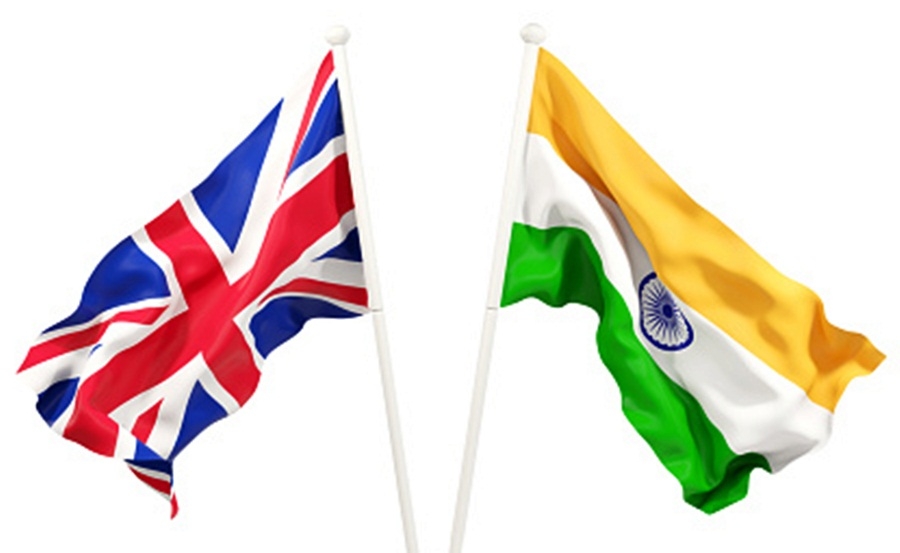
The UK and India have announced that their Free Trade Agreement will enter into force on July 15, marking the next stage in a landmark trade pact that both governments say will strengthen economic ties and create new opportunities for businesses and consumers.
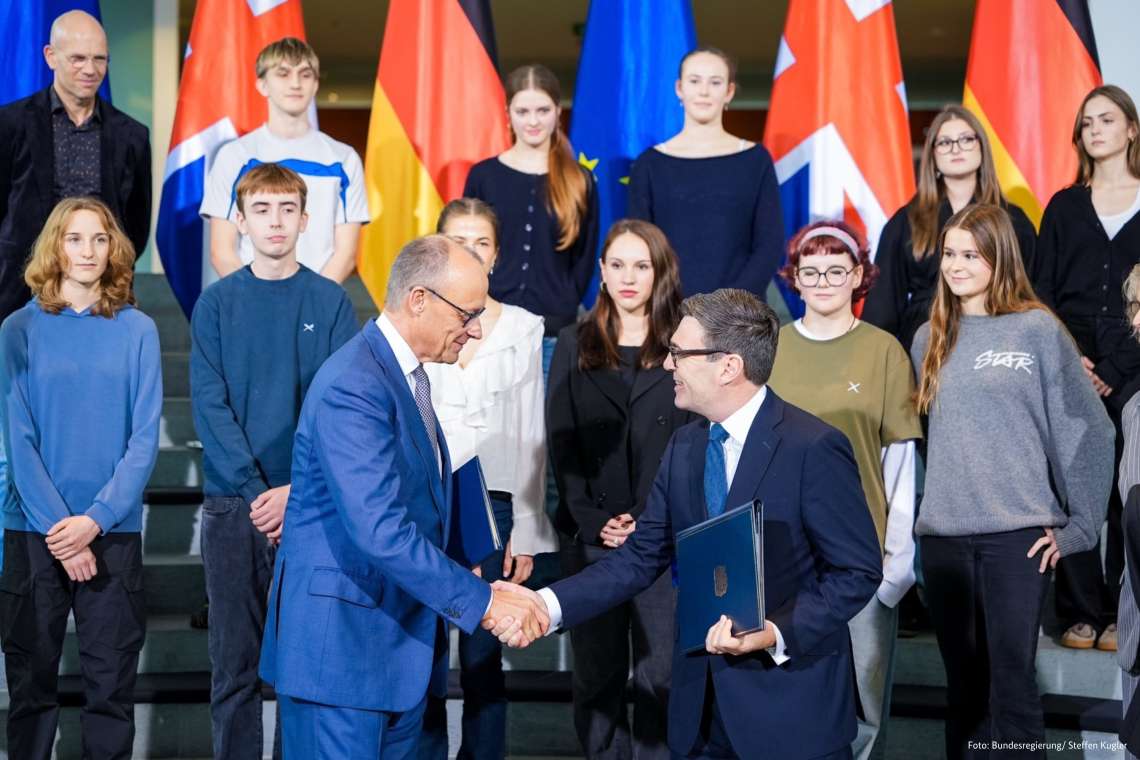
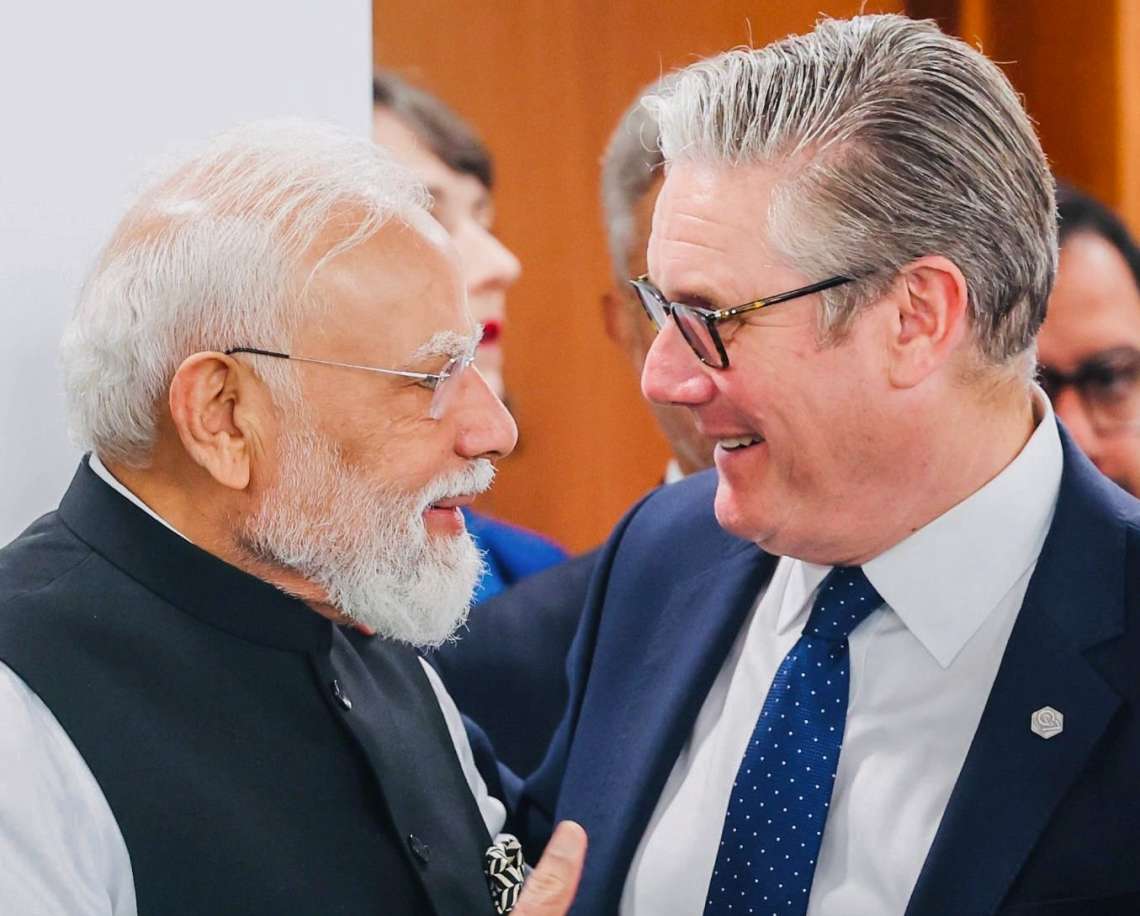
Prime Minister Keir Starmer and Prime Minister Narendra Modi confirmed the implementation date after months of work by officials in both countries to prepare systems and procedures needed for the agreement to take effect.
The deal will allow businesses to begin trading under the new terms from July 15. Governments on both sides have urged companies to use the remaining time to ensure they are fully prepared to take advantage of the changes.
According to government estimates, the agreement is expected to increase UK GDP by £4.8 billion and Indian GDP by £5.1 billion in the long term. Bilateral trade is forecast to rise by £25.5 billion annually once the agreement is fully realised.
The pact includes significant tariff reductions across a range of sectors. Tariffs on whisky exports to India will fall from 150 per cent to 40 per cent, while tariffs on automotive exports will drop from 100 per cent to 10 per cent under a quota arrangement. Tariffs of up to 22 per cent on cosmetics will also be removed, either immediately or in phases.
The UK will reduce tariffs on several Indian products entering the British market, including clothing, footwear and selected food items. The government said lower import costs could lead to greater choice for consumers and potentially lower prices for some goods.
Business and Trade Secretary Peter Kyle said: “We are bringing our landmark trade deal with India into force as quickly as we can because we want businesses in both India and the UK to immediately feel the benefits of 99% of UK tariffs and 90% of Indian tariffs being liberalised. Trade will be cheaper, quicker, and easier for businesses on both sides, and I encourage all businesses to ensure they are properly prepared to sell into each other’s markets in the years to come. The date is now set to boost our £48 billion trading relationship and take it to the next level.”
The UK government said India has not previously implemented a trade agreement of this scale, giving British businesses what it describes as an immediate competitive advantage over exporters from countries without similar arrangements.
Alongside the trade agreement, the UK and India will bring into force the UK-India Double Contributions Convention Agreement. The arrangement is designed to prevent certain workers from making social security contributions in both countries simultaneously.
Under the agreement, UK nationals moving to India for work will be able to continue building entitlement to a UK State Pension for up to 60 months, an increase from the current 36-month period. During that time, they will continue paying National Insurance contributions in the UK without also having to pay social security contributions in India.
The arrangement will apply on a reciprocal basis to eligible British and Indian professionals using existing visa routes. The government said similar agreements are already in place with countries including Korea, Japan and Canada.
Businesses seeking to benefit from the tariff reductions will need to complete the necessary registration procedures. UK companies are required to register with HM Revenue & Customs, while Indian businesses have been directed to follow guidance issued by the Government of India.
Officials have encouraged firms in both countries to complete the required preparations before July 15 so they can begin using the new trading arrangements as soon as the agreement comes into force.