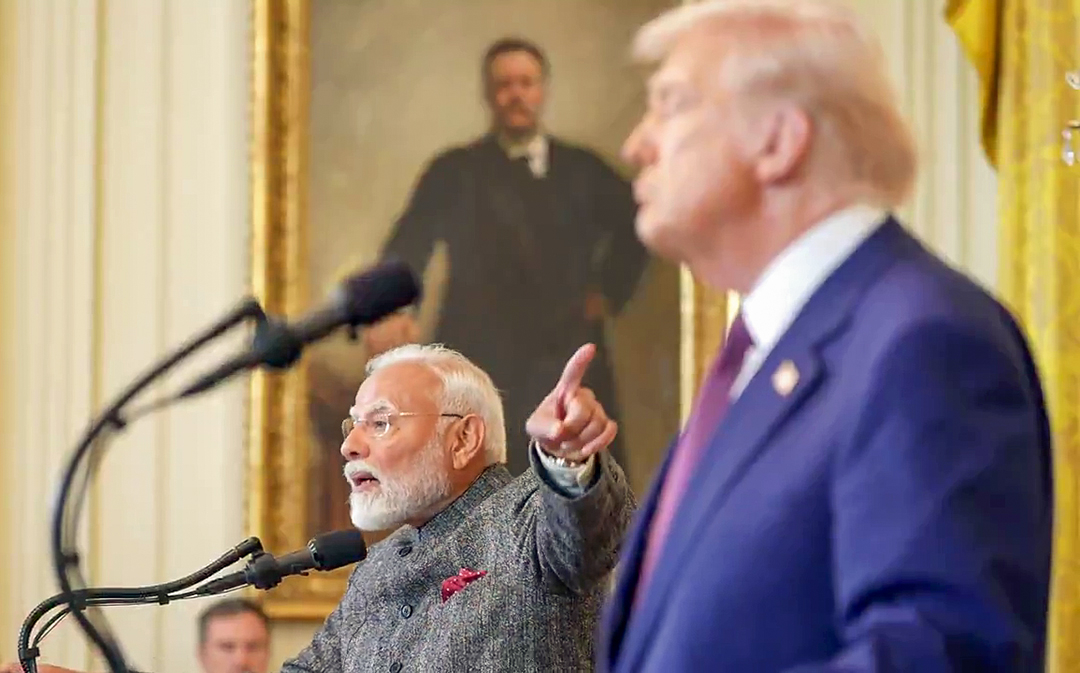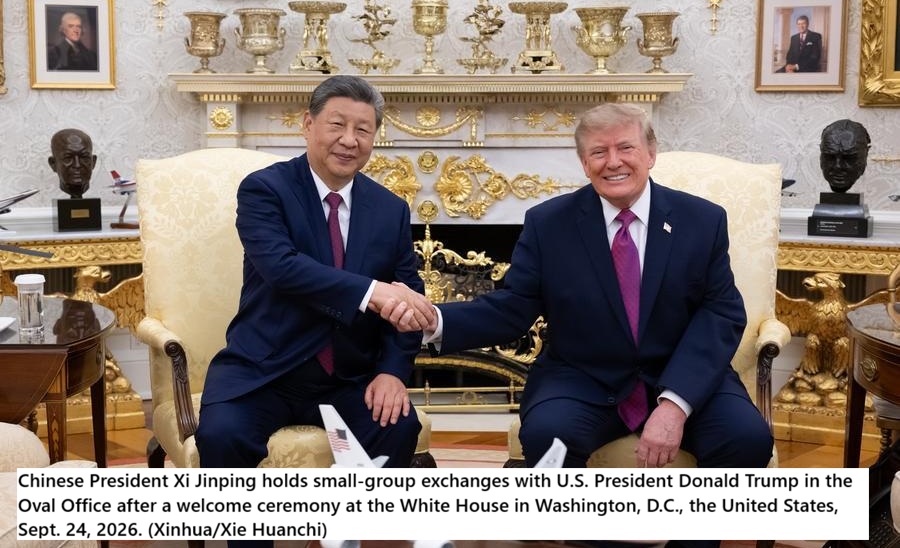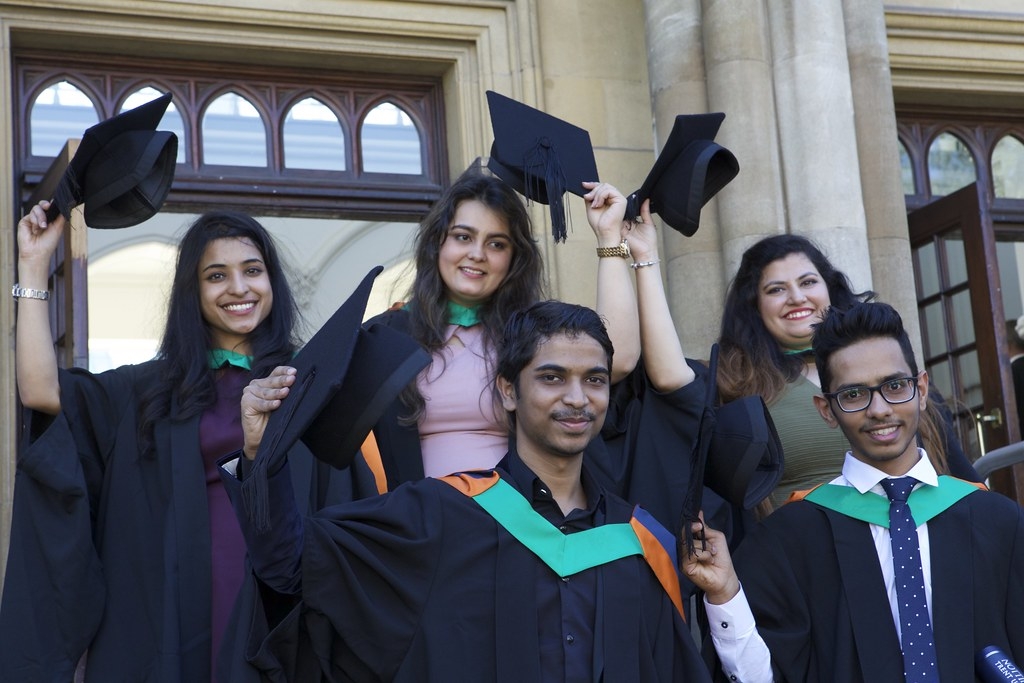
Indian student enrolments in the United States have fallen sharply in the first year of Donald Trump’s second term, with universities reporting a drop of up to 75 per cent, raising fresh concerns in India about access to American education, jobs and long-term mobility…reports Asian Lite News
The collapse in numbers marks one of the steepest declines on record for Indian students, who for more than a decade have been the single largest source of international enrolments in the US. Education agents, universities and families across India say uncertainty over visas, tighter scrutiny and a hostile policy climate have combined to derail plans for thousands of students.
In Hyderabad, a major education hub for overseas-bound Indian students, counsellors say the impact has been immediate. Enrolment in US universities plummeted by nearly 75 per cent in the first year of President Donald Trump’s second White House stint, with visa rejections and hesitancy among aspirants to apply to the top American destinations cited as the primary causes. Consultancy officials told media that around 70 per cent of students took the hardest hit last year, while those who are still hoping to solve plans are largely those who completed applications by February.
Students and parents point to confusion around visa approvals and post-study work options as a major deterrent. Skilled migration through the H-1B programme remains one of the principal pathways linking Indian education to US employment, but proposed changes and heightened scrutiny have unsettled applicants. Pressure has extended beyond students, as H-1B skilled migration drew scrutiny, with steps to scale down the programme unsettling employers and applicants alike.
The impact is being felt across Indian cities that traditionally send large numbers of students to the US, including Hyderabad, Bengaluru, Chennai, Mumbai and Delhi-NCR. Education consultants say many families are reassessing the value of US degrees amid rising costs and uncertain returns.
Data cited in the report indicates a broader slowdown in Indian participation in US higher education. International student numbers from India have been falling, with estimates suggesting a drop of over 70 per cent in certain segments during the last year. Over the past 12 months, departures from India to the US for education have slowed sharply, as students consider alternatives in Canada, Australia, the UK and parts of Europe.
Beyond enrolments, Indian students already in the US have faced heightened anxiety. The report highlights that around 8,000 Indian students were asked to depart the US without valid status between April and May 2025. While not all were enrolled students, many were linked to education-related visa categories, intensifying fears among Indian families.
Social media has amplified those anxieties. Indian students and recent graduates have shared stories of sudden visa cancellations, delays and requests for additional documentation. Some reported receiving emails from designated school officials warning that their F-1 status had been revoked and they would need to leave within weeks.
New US State Department rules have widened the scope of visa vetting, including checks on applicants’ social media profiles. The department has warned that posts or affiliations deemed problematic could lead to rejection or cancellation. For Indian students, who are among the most active users of global social platforms, the move has added a new layer of risk.

Education experts in India say the timing is particularly damaging. Demand for overseas education had surged after the pandemic, with US universities relying heavily on Indian enrolments to fill science, technology, engineering and mathematics programmes. A prolonged downturn could reshape the global education map, with Indian students redirecting their ambitions elsewhere.
Universities in the US are also feeling the pinch. Indian students contribute billions of dollars annually in tuition and living expenses. A sustained fall threatens not only campus diversity but also local economies that depend on international students.
For India, the issue extends beyond education. US-trained graduates have long played a key role in India’s technology sector, startups and global business links. A slowdown in access to US education and work visas risks weakening those connections over time.
Despite the uncertainty, many Indian students remain determined to pursue opportunities abroad. Education counsellors say interest in the UK and Australia has risen sharply, while some students are exploring emerging destinations in Europe and Asia.
However, for families that have traditionally viewed the US as the gold standard for higher education, the sudden shift has been jarring. As one consultant in Hyderabad put it, the American dream now looks “delayed, if not denied” for a generation of Indian students watching policy decisions in Washington reshape their futures.