February 8, 2026
2 mins read

Drone attack hits WFP aid trucks in Sudan

A UN-contracted aid convoy was hit en route to famine-threatened families near El Obeid. The strike killed at least one person and destroyed vital food supplies …reports Asian Lite News

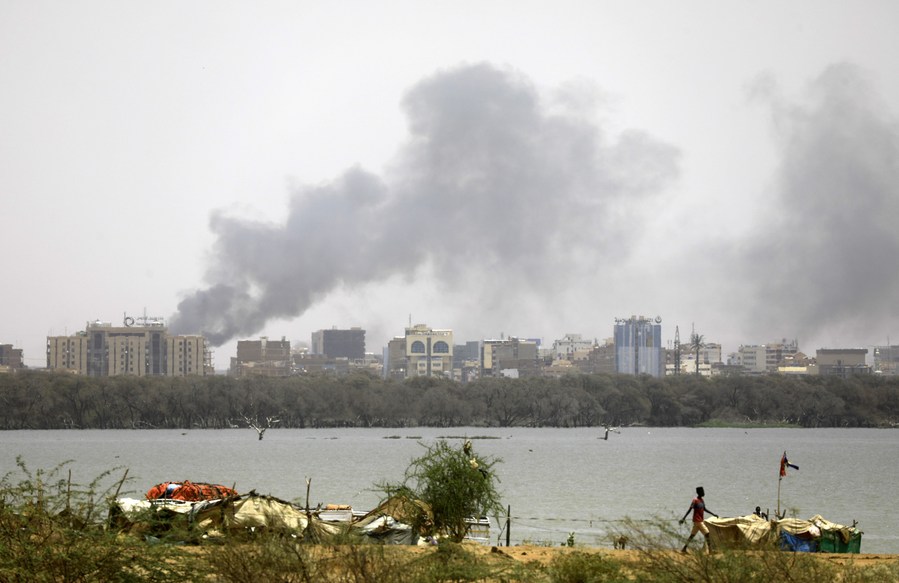
A drone attack struck trucks transporting food aid for displaced families in Sudan’s North Kordofan state, killing at least one person and injuring several others, the United Nations said.

The trucks, contracted by the World Food Programme, were travelling from Kosti to deliver food to starved, displaced people near the state capital, El Obeid, when they were hit, according to a statement by the UN Resident and Humanitarian Coordinator in Sudan, Denise Brown.

The attack caused the vehicles to catch fire, destroying food supplies intended for humanitarian response, Brown said. She said she encountered the aftermath of the strike a few hours later while leaving El Obeid.

“This follows another drone strike earlier this week near a WFP facility in Yabus, Blue Nile State, in which a staff member was injured,” Brown said, adding to concerns over the safety of humanitarian operations in the country.

Humanitarian personnel, assets and supplies must be protected at all times, she said, warning that attacks on aid operations undermine efforts to reach people facing acute hunger and displacement.

Sudan has been gripped by conflict since April 2023, displacing millions and pushing large parts of the population toward famine. Aid agencies say insecurity and attacks on humanitarian convoys continue to severely restrict access to vulnerable communities.

Brown stressed that safe and unimpeded humanitarian access remains critical to ensure assistance reaches those most in need across Sudan. The latest incident underscores the risks facing relief efforts as agencies attempt to move supplies across front lines and through areas where shifting control and continuing violence have complicated delivery routes. Humanitarian organisations have repeatedly said that even when permissions are granted, guarantees of safe passage are fragile, with convoys exposed to looting, bureaucratic impediments and direct attack.

North Kordofan, with El Obeid as its main urban centre, has become an important hub for aid moving towards communities cut off by fighting elsewhere. The destruction of food carried on the convoy is likely to deepen pressure on pipelines already stretched by funding shortfalls and growing needs, relief workers say.

The UN has consistently called on all parties to the conflict to respect international humanitarian law and facilitate rapid, safe and sustained access. Friday’s strike, coming days after the reported incident in Blue Nile State, is expected to intensify diplomatic engagement over the protection of aid workers and cargo.

Each incident can lead to suspensions, route changes or additional negotiations that slow the arrival of assistance to people already surviving on minimal support.

Despite the insecurity, agencies say they will continue efforts to reach civilians in need, arguing that the scale of suffering leaves little alternative. Brown reiterated that the ability to move without obstruction remains fundamental to averting further deterioration in food security across the country. 
Previous Story

South Africa Close to China Trade Deal

Next Story

Nigeria Court Demands £420 mn Payout, Apology from UK

Previous Story

South Africa Close to China Trade Deal

Next Story

Nigeria Court Demands £420 mn Payout, Apology from UK

Latest from -Top News

Pakistan Risks Overstretching Itself in Yemen War

Pakistan’s expanding military role in Saudi Arabia amid the Yemen conflict could strain its defence resources and fragile finances…reports Asian Lite News Desk Pakistan’s military involvement in the war in Yemen may prove unsustainable because of mounting financial pressures and competing security demands, according to a new report. Islamabad’s growing military presence in Saudi Arabia risks stretching its defence resources while exposing the country to greater strategic and economic challenges. An article by Andrew Wilson in One World Outlook describes Pakistan’s involvement as a case of “fiscal and strategic overreach”, arguing that the country lacks the financial flexibility to sustain an expanded military commitment. Pakistan’s external finances depend heavily on an International Monetary Fund (IMF) programme, financial support from Gulf countries and remittances from Pakistani workers in the region. The report argues that deeper military involvement in the conflict could place additional pressure on these sources of financial stability. It also warns that deploying troops and military equipment abroad could weaken Pakistan’s capacity to address security challenges along its eastern border and deal with two domestic insurgencies. The move could also draw Islamabad into a conflict it has sought to approach cautiously. A Reuters report in May, citing Pakistani security and government sources, said Islamabad had deployed around 8,000 troops, a squadron of approximately 16 aircraft, mostly JF-17 fighter jets, two drone squadrons and a Chinese HQ-9 air-defence battery to Saudi Arabia. According to those sources, Riyadh was financing the deployment, with Pakistani personnel operating the equipment. The sources also said a confidential agreement contemplated the possibility of deploying up to 80,000 troops. Islamabad has not confirmed those figures, although it has acknowledged its military presence in Saudi Arabia, including the deployment of fighter jets at King Abdulaziz Air Base from April. The One World Outlook article argues that Saudi financial support can cover allowances and operating expenses but cannot easily replace military equipment needed elsewhere or resolve the political and strategic challenges of participating in the Yemen conflict. Pakistan’s defence budget is another concern. For the 2026-27 financial year, the federal government allocated PKR 3 trillion, or approximately $10.8 billion, to defence services. The allocation represents an 18 per cent increase from the original PKR 2.55 trillion provision and amounts to around 2.1 per cent of projected gross domestic product (GDP). Defence spending accounts for approximately 16 per cent of the federal government’s PKR 18.8 trillion expenditure. Military pensions are budgeted separately at PKR 822 billion, while debt servicing costs stand at approximately PKR 8 trillion, more than two-and-a-half times the defence allocation. The report argues that these competing financial obligations leave little room for additional military expenditure without placing further pressure on public finances. Pakistan’s reliance on IMF assistance also limits its fiscal flexibility. The country must meet the conditions attached to the programme, including a primary budget surplus target of 2 per cent of GDP and continued restraint on development spending. According to the article, these requirements make it difficult for Islamabad to finance an additional military commitment without compromising other budgetary priorities. Pakistan’s economic indicators offer limited reassurance. Economic growth for the 2025-26 financial year is estimated at between 3.6 and 3.7 per cent, while inflation reached approximately 10.3 per cent in September following an energy price shock. Foreign exchange reserves stood at around $21.5 billion at the end of September. Although this marks an improvement from the low levels recorded in 2023, the report notes that the reserves cover only a few months of imports. Financial assistance from Gulf partners remains central to Pakistan’s external stability. The article says Islamabad holds approximately $8 billion in Saudi deposits at its central bank. In July, the State Bank of Pakistan said Riyadh had extended the maturity of $5 billion in deposits to December 2028, easing the country’s immediate external financing requirements. A further $3 billion deposit was also extended in the spring. However, the article argues that these arrangements provide temporary relief rather than long-term financial independence, particularly as regional conflict threatens the stability of the Gulf economies on which Pakistan relies. The report concludes that Pakistan faces a difficult balance between supporting Saudi Arabia militarily and preserving the financial and military resources needed to address its domestic and regional challenges.
Go toTop

Don't Miss

WFP halts ops in Sudan

Violent clashes erupted on Saturday between the Sudanese Armed Forces

Sudan reiterates support for dialogue to resolve Russia-Ukraine crisis

Sudan’s Transitional Sovereign Council reiterated its support for dialogue to