Barkha Dutt’s three-session festival brought together an extraordinary cross-section of changemakers ranging from Indian armed forces veterans, Philantrophists, Fashion and Entertainment industry personalities on one platform, writes Chetanya Mundachali.
The ninth edition of We the Women 2026 kicked off at Mumbai’s Bal Gandharva Rang Mandir on November 27.
Curated and hosted by veteran journalist Barkha Dutt, the day-long festival celebrated changemakers from cinema, the armed forces, music, public life and beyond, under one roof, thus creating a platform for conversations that went well beyond celebrity and glamour.
The programme also honoured these esteemed personalities with the host handing them the Changemakers award.
Mumbai witnessed a day of conversations, courage and candid revelations. Spread across three sessions, the forum brought together established and distinguished cultural icons, young actors, military officers and individuals whose personal journeys have challenged conventions.
The idea was to recognise people who have used their voices, experiences and work to make a difference, while opening up conversations around identity, equality, relationships, resilience and the changing place of women in society.
The forum also carried a larger social commitment. Proceeds from ticket sales were earmarked for Bharat Ke Veer, the Government of India’s initiative supporting the families of Central Armed Police Forces personnel who lost their lives in the line of duty.
Session 1
The first session, which the host Barkha Dutt introduced Saxophone Subbalaxmi as the festival’s “lucky mascot,” noting that they make it a tradition to open the event with her music, set the tone for the day with conversations spanning art, personal transformation and service to the nation. Among the featured speakers were celebrated lyricist and writer Javed Akhtar, members of the Indian Armed Forces, actor Sai Pallavi, and actor Sharib Hashmi with Nasreen Hashmi.
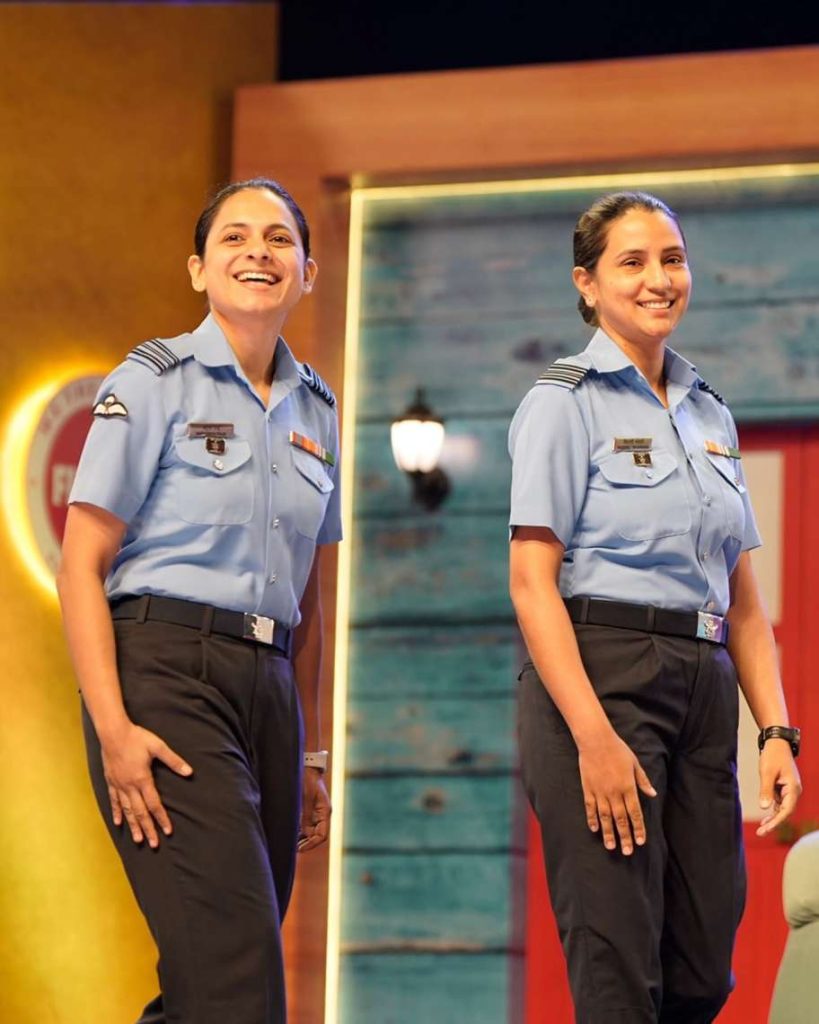
Squadron Leader Vaishali Bhandari is an officer in the Indian Air Force‘s accounts branch. She served alongside Squadron Leader Shraddha P. Raju as part of a historic, all-women tri-services team that completed a global circumnavigation expedition on the IASV Triveni Both officers were recognized at the We The Women festival for their extraordinary service and achievements as trailblazers in the armed forces.
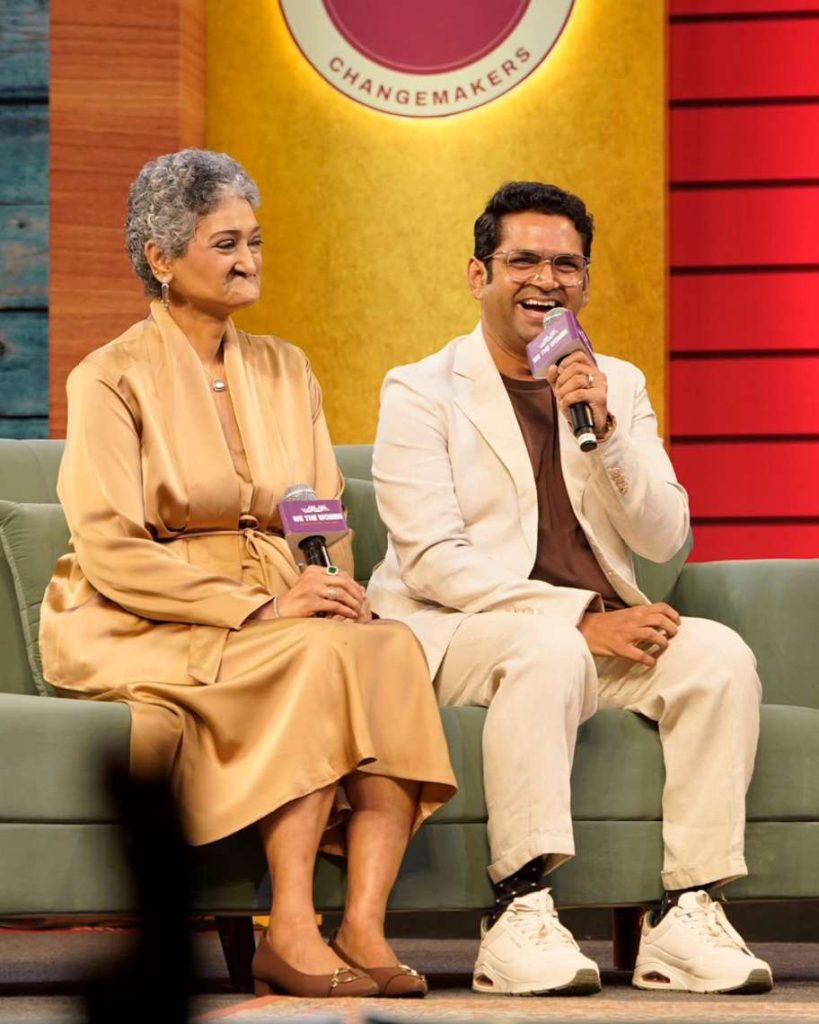
Shariif and Nasreen Hashmi then took to the stage and Nasreen opened up about her struggle with oral cancer, which has unfortunately relapsed six times. Despite these daunting circumstances, she has remained resilient, and the couple continues to fight it together.
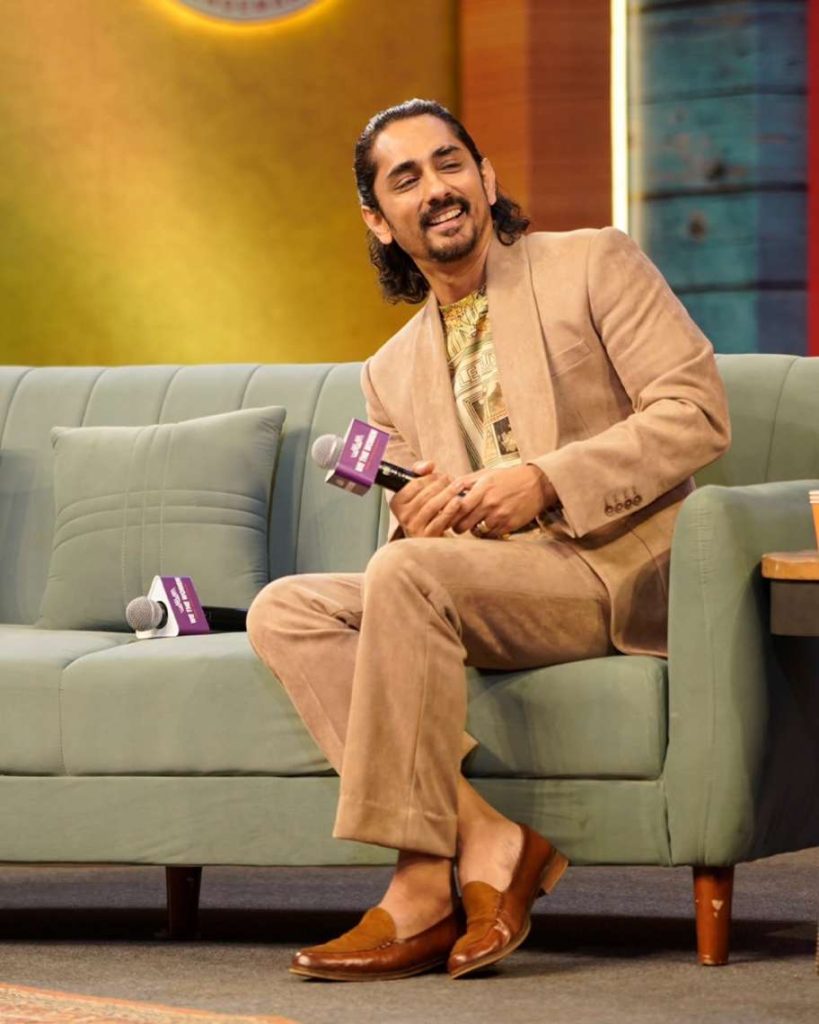
Siddharth Suryanarayanan is a versatile Indian actor, playback singer, and screenwriter. While he has had an extensive career in cinema, he was featured at the We The Women festival for his role in the Netflix series Operation Safed Sagar.
In the series, Siddharth portrays Squadron Leader Ajay Ahuja, a real-life war hero from the Kargil War. During the event, he shared insights into his experience preparing for this role and his approach to storytelling. He reflects on his journey in the film industry, discussing the importance of staying authentic and honest in his craft, especially when portraying sensitive, real-life figures.
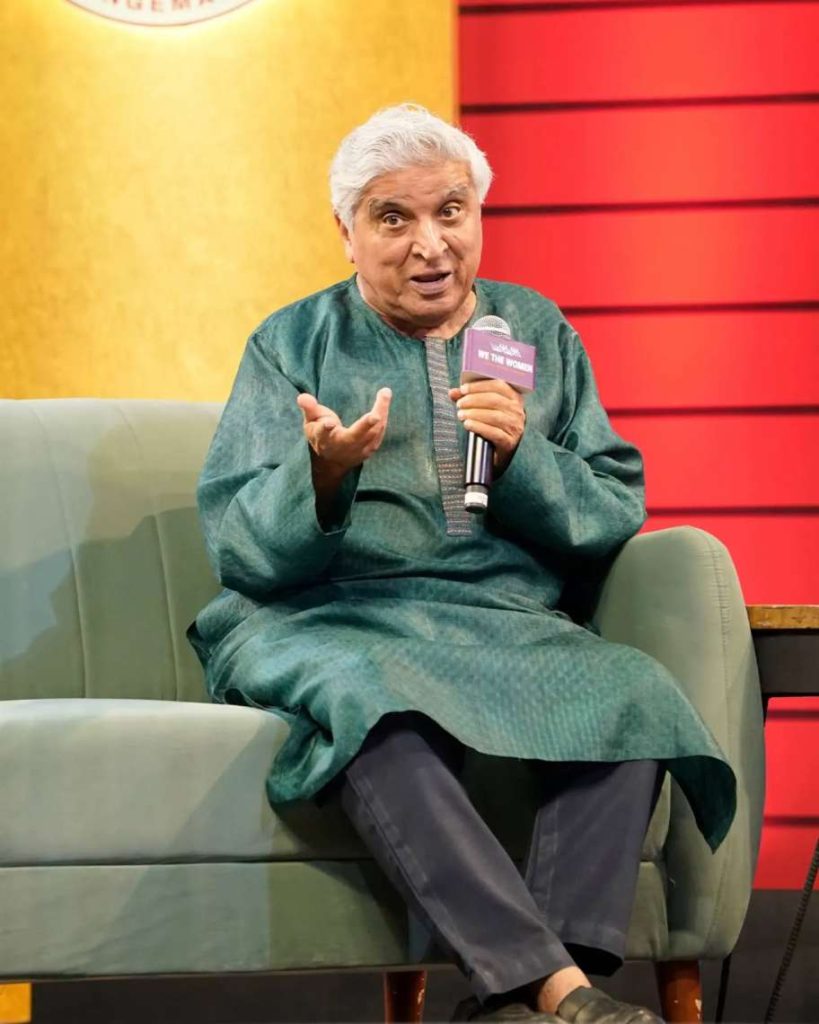
Javed Akhtar’s conversation with Barkha Dutt was among the notable highlights. Known for his incisive observations on society, politics, literature and cinema, Akhtar brought a deeply personal dimension to the discussion by reflecting on his past struggles with alcoholism. Speaking candidly about the years when alcohol had become a part of his life, he addressed the regrets associated with that period and his journey towards overcoming addiction.
His reflections offered a reminder that even those who have achieved extraordinary professional success have personal battles that are rarely visible to the outside world. Rather than presenting recovery as an ongoing dramatic struggle, Akhtar spoke about having moved beyond that chapter of his life. His honesty brought a different meaning to the festival’s idea of a changemaker: transformation can begin with confronting one’s own weaknesses.
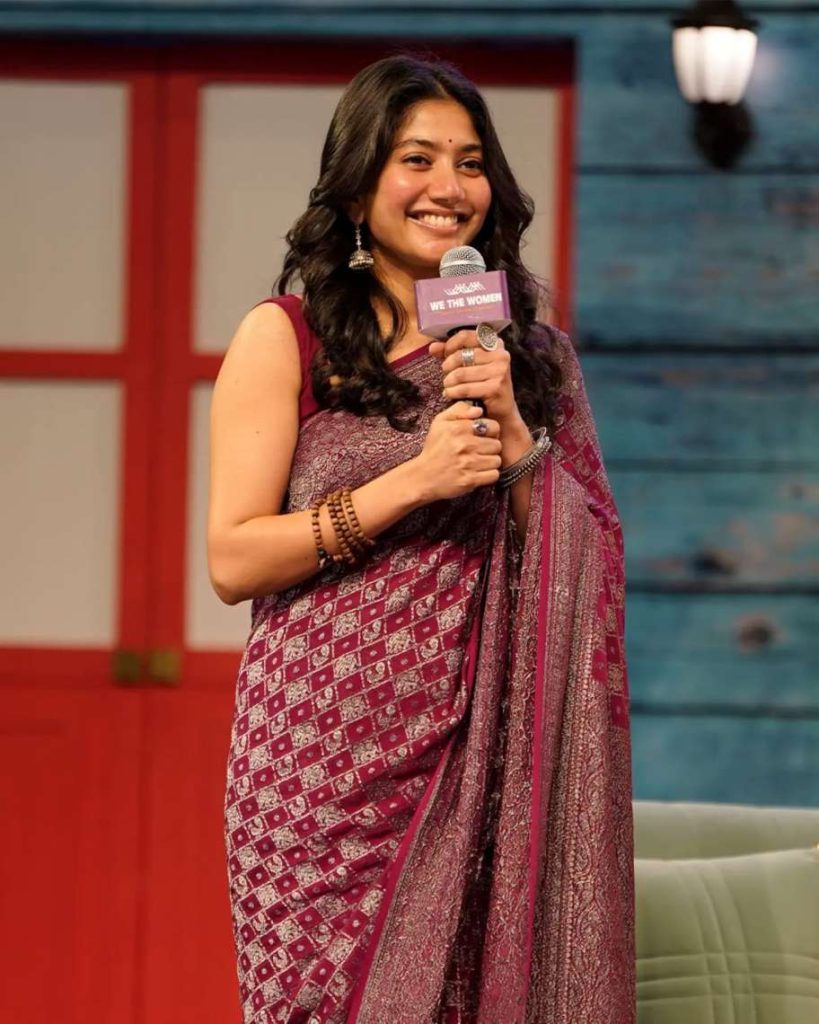
Sai Pallavi brought another important perspective to the opening session. In conversation with Dutt, she spoke about self-acceptance, beauty standards and her decision to embrace a makeup-free public image. At a time when the entertainment industry often places enormous emphasis on appearance, Pallavi’s approach reflects a conscious preference for authenticity over conformity. She also spoke about her role as Sita in the Bollywood blockbuster Ramayana part 1 and the challenges she faced in playing the role
She also spoke about the importance of portraying women as real, grounded individuals on screen. Her choices as an actor, and her preference for characters who are not simply defined by conventional ideas of beauty, opened up a larger discussion about representation. Her message sheds light on an industry where female performers continue to face scrutiny over their appearance, age and public image.
Session 2
The second session shifted the spotlight to conversations around women’s wellbeing, family, relationships, motherhood and navigating life in the public eye. Shilpa Shetty, Riteish and Genelia Deshmukh, and Maheep and Shanaya Kapoor were among the prominent names featured in this segment.
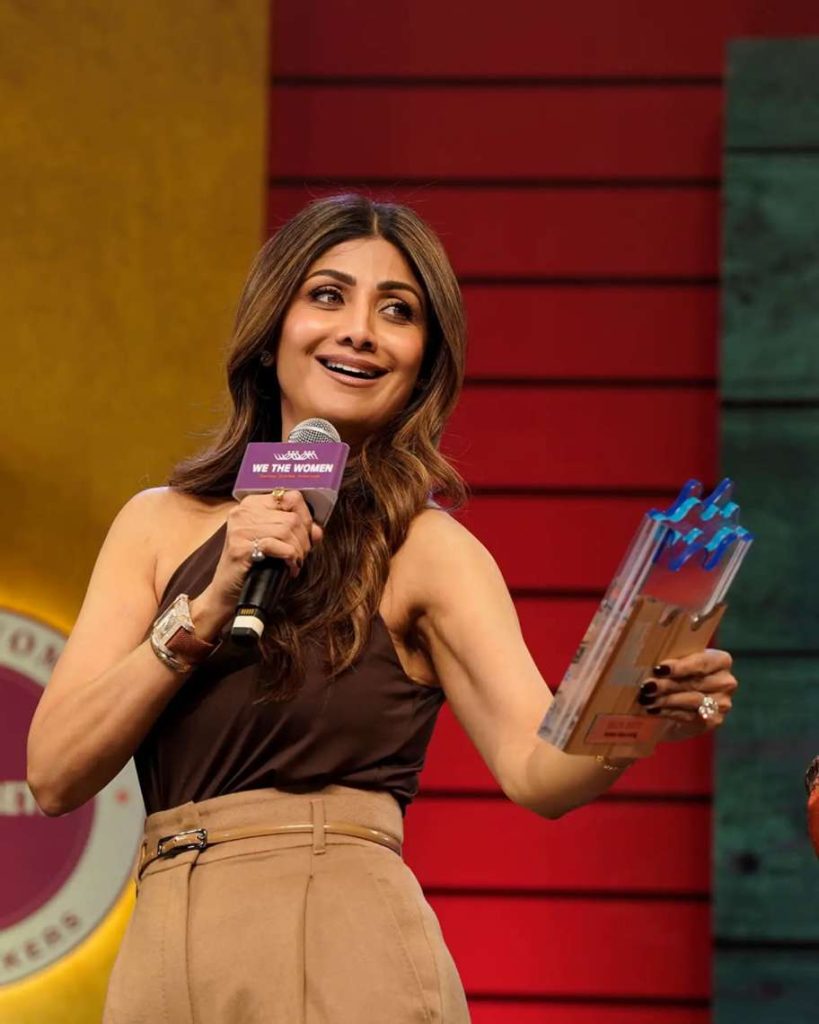
Shilpa Shetty’s conversation with Barkha Dutt stood out for its focus on a subject that is often discussed inadequately, even though it affects millions of women health. Drawing on her own experiences and her journey across three decades in the film industry, Shetty spoke about menopause, self-care and the importance of women taking their physical and emotional wellbeing seriously.
The veteran Bollywood actress stressed that women must stop feeling guilty about putting themselves first. Society often conditions women to prioritise their families, children and responsibilities before considering their own needs. But, as Shetty emphasised a woman’s health and happiness are closely connected to the wellbeing of the family as a whole.
Her comments on menopause which is a women’s health issue gained attention. The subject remains surrounded by silence and discomfort, even though it is a natural stage of women’s lives. By speaking openly about it, Shetty helped bring an important health conversation into the public domain. Her perspective was not simply about fitness or maintaining a youthful appearance, but about understanding the body, acknowledging changing needs and making self-care a priority.
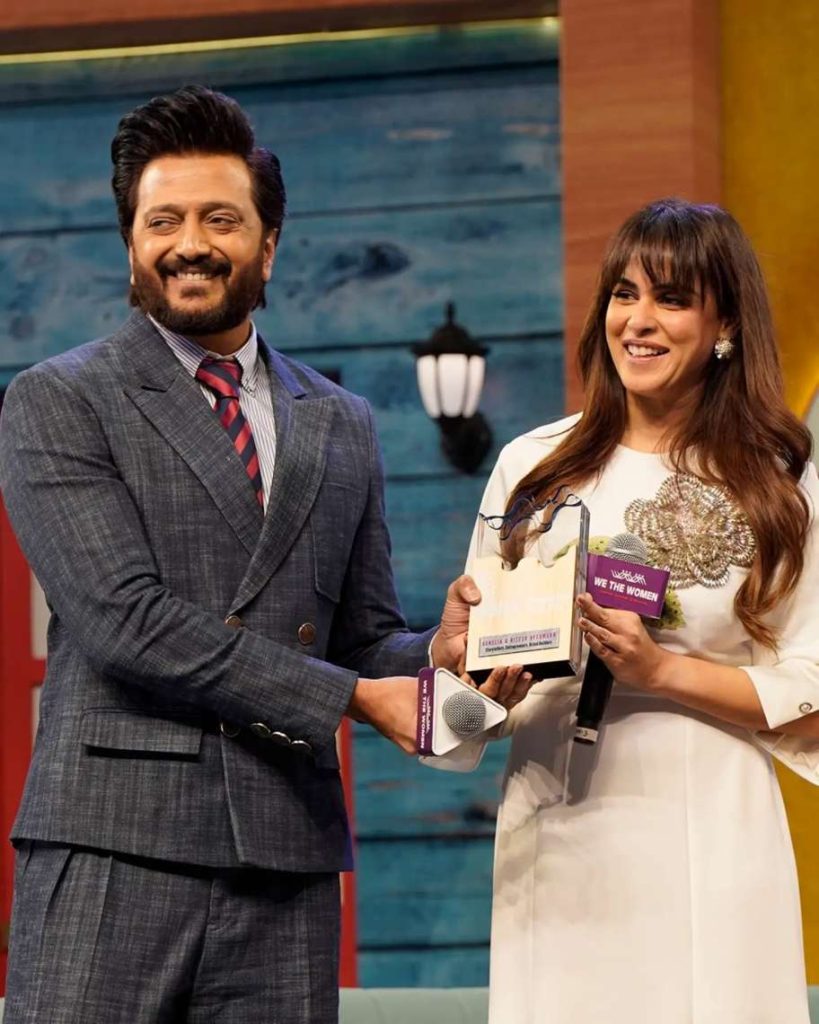
Riteish and Genelia Deshmukh brought a different dimension to the session. Their conversation explored the intersection of marriage, family and professional life, offering a glimpse into how two successful actors navigated their individual careers while building a life together. Their appearance was also an opportunity to look beyond the public image of a much-loved celebrity couple. In an industry where relationships are frequently subjected to scrutiny, conversations around partnership and mutual understanding become particularly relevant.
Their journey reflects the changing expectations of marriage, with both partners pursuing their professional ambitions while sharing family responsibilities.
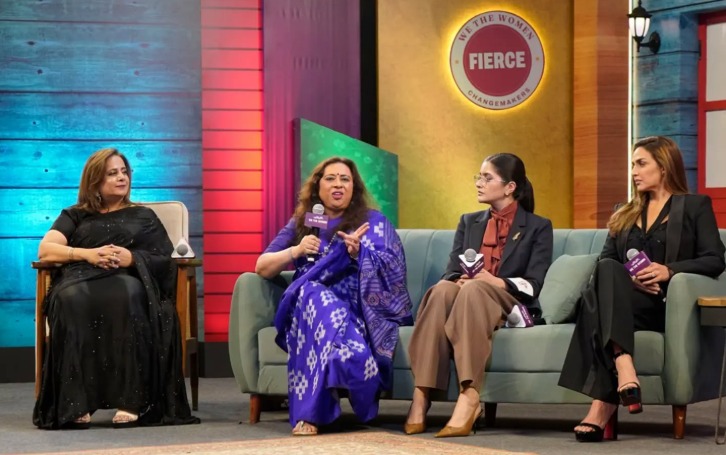
What then followed was a panel discussion with Dr. Neha Jagtiani, Ranjana Maitra, Kulsum Shadab Wahab, and Esha Deol. Neha Jagtiani emphasizes the importance of pushing forward despite doubts, suggesting one should move so far ahead that critics can no longer be heard. She also highlights the power of self-belief and branding oneself.
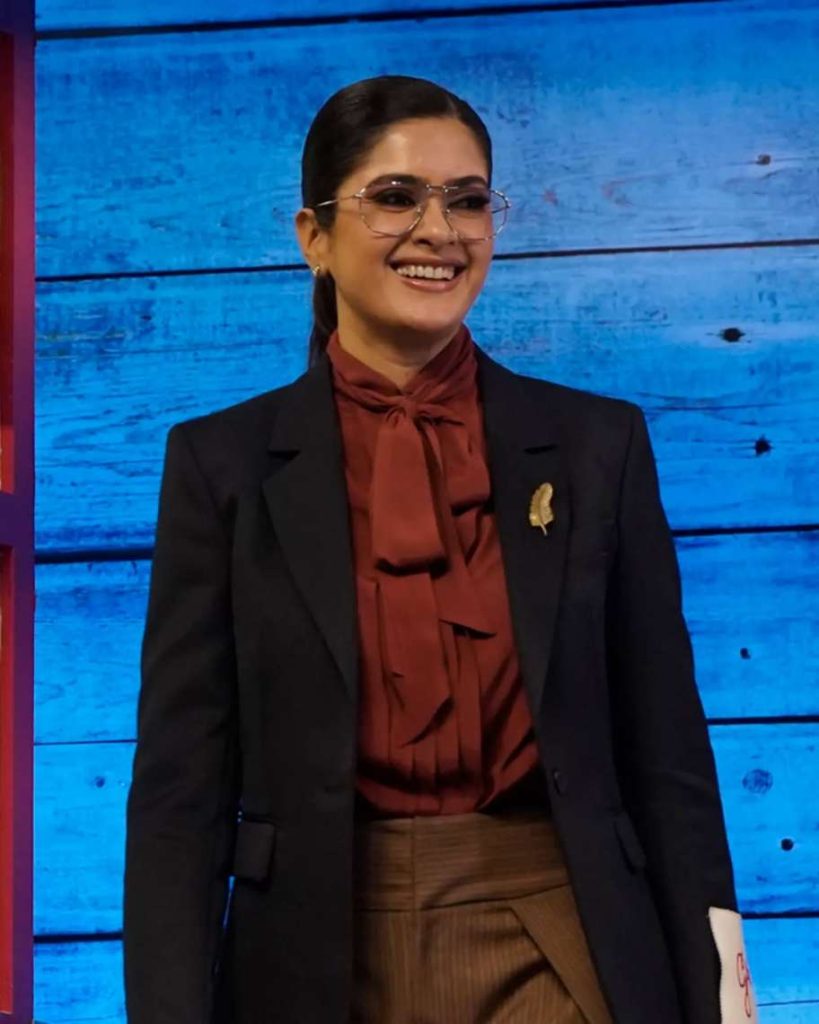
Kulsum Shadab Wahab defines strength as the act of showing up every day, regardless of whether it is a good or a bad day, and making a consistent effort to effect positive change.
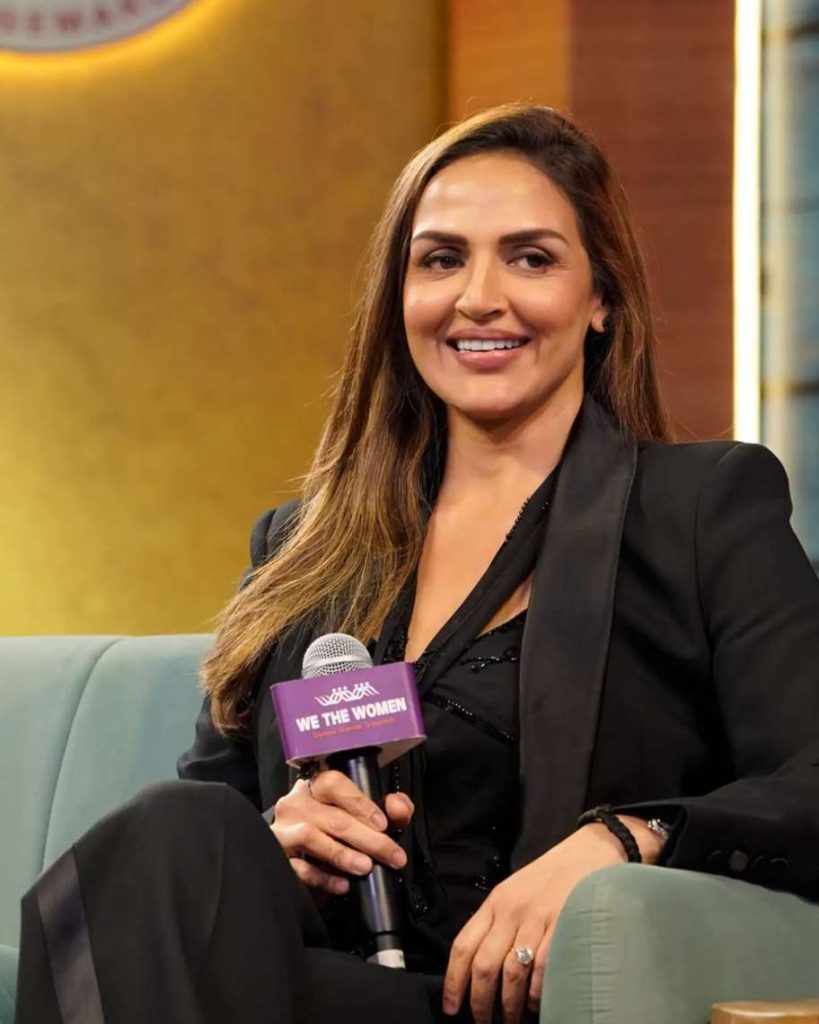
Esha Deol was also among the personalities featured in the festival’s wider programme, bringing another perspective on the experiences of women in the film industry.
The panelists agreed on the necessity of taking that first step even when the full path ahead is unclear. Their united message was that internal belief is the cornerstone of success, often more important than external validation.
Women’s health, the pressures of motherhood, the balancing of careers and relationships, and the challenge of establishing an identity are not confined to the lives of celebrities. They are experiences shared by women across professions and generations.
The conversations reinforced the idea that empowerment is not always about making a dramatic public statement. Sometimes, it begins with acknowledging one’s needs, asking difficult questions and refusing to accept that self-sacrifice must be the defining feature of womanhood.
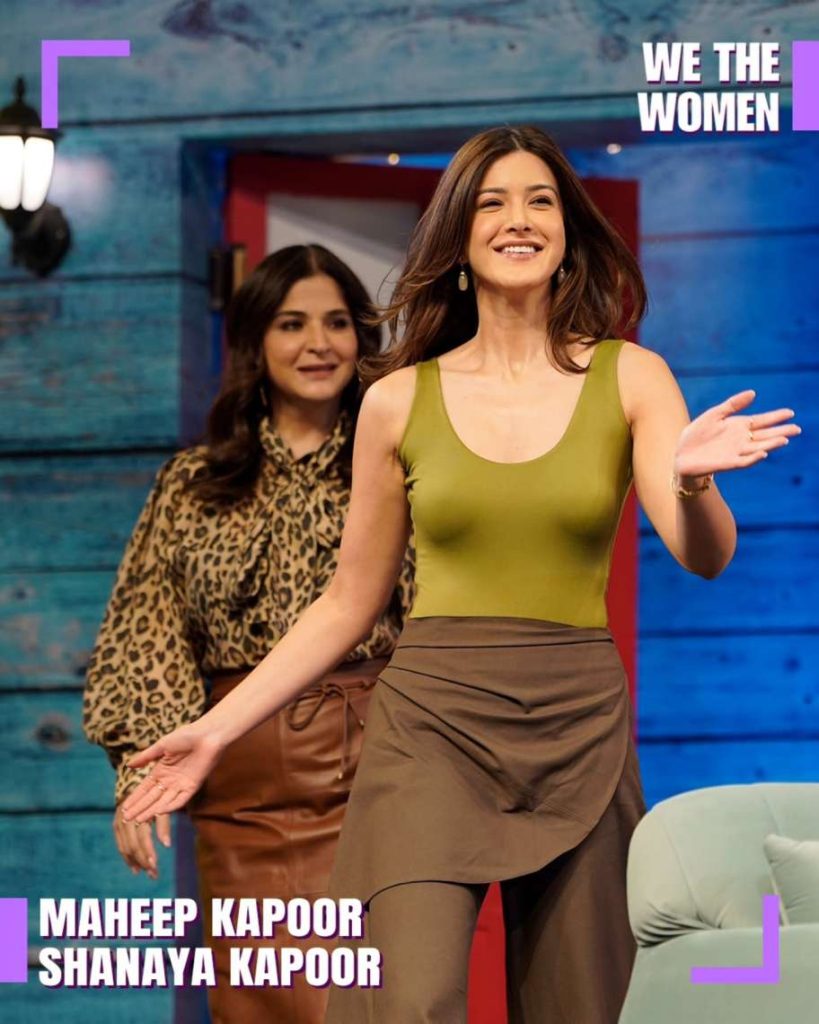
Maheep Kapoor and Shanaya Kapoor added a mother-daughter perspective to the stage. Their presence brought together two different experiences of the entertainment and fashion worlds Maheep’s familiarity with the industry and Shanaya’s position as a younger actor finding her own identity.
The mother-daughter conversation also reflected a broader generational shift. The expectations placed on young women entering public life are different from those faced by earlier generations.
Social media, constant visibility and public opinion have changed the landscape, making it increasingly important for young women to develop confidence and a sense of individuality.
Session 3
The final session, that celebrated with Bollywood’s, brought the festival towards its evening culmination with conversations featuring Ananya Panday Usha Uthup and the ultimate star ,Shahid Kapoor. The programme also included other voices from cinema, storytelling and public life.
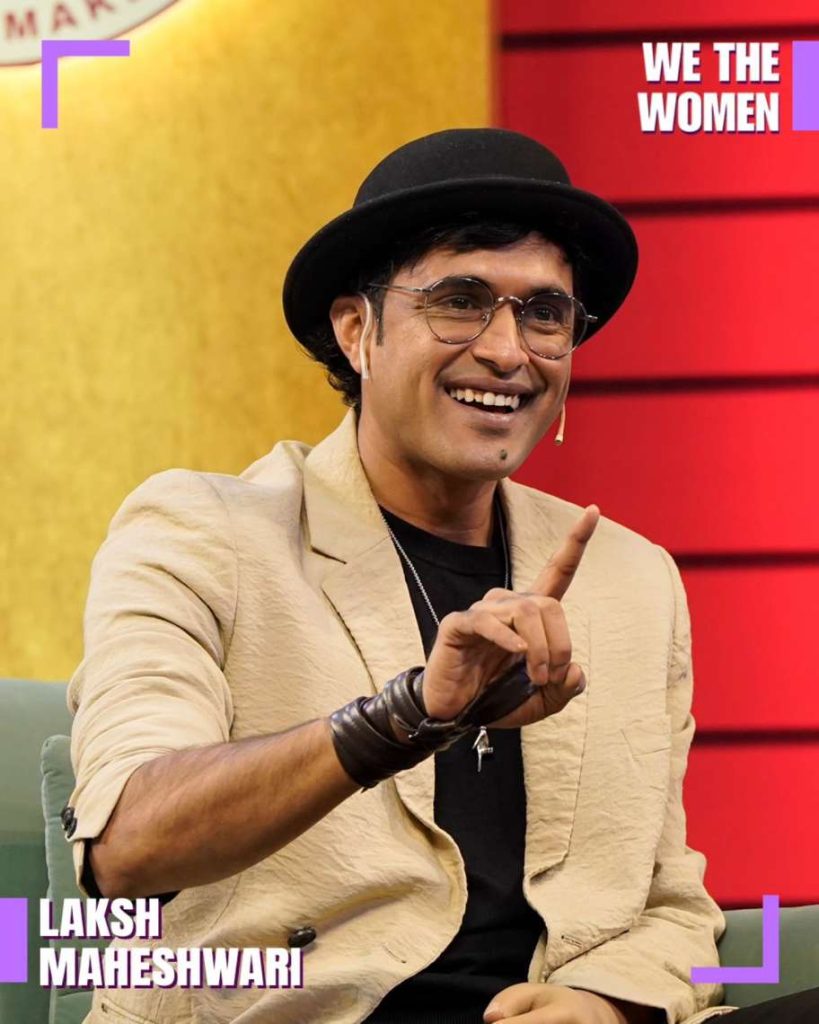
Storyteller Laksh Maheshwari was also part of the wider programme, representing the power of narrative as a means of connecting with audiences and sharing experiences. He said to the audience that he skipped 11 jobs in the past. He started his career as a financial banker and he quit till he found his 12th job as a master storyteller. He entertained the audience by delivering short stories in hindi. He gave the message,’’You can always quit your job if you are not happy with it,’’ thus citing his own life story example.
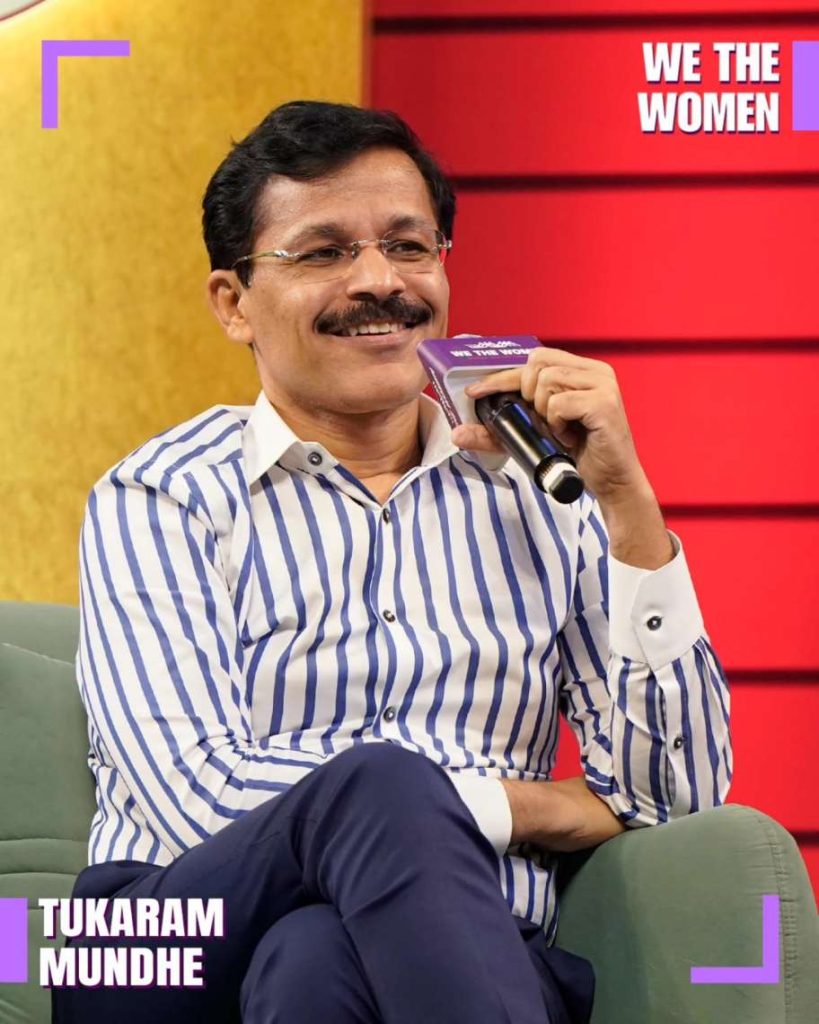
One of the most recognizable changemakers of the evening was none other the Maharashtra’s FDA chief Tukaram Mundhe; who the audience welcomed with a deafening applause. Mundhe is best known for his major crackdown on many restaurants in Mumbai from small eateries to major 5-star hotels.
Regarding his regulatory actions, he clarified that he did not close specific restaurants but rather reported that his department inspected over 25,000 food establishments by the end of October. Out of these inspections, they issued over 11,000 improvement notices and suspended approximately 1,400 to 1,500 food licenses. His message to the listeners was, ‘always ask if the food is safe?’ while eating at any restaurant. He emphasised following Food Health & Safety standards
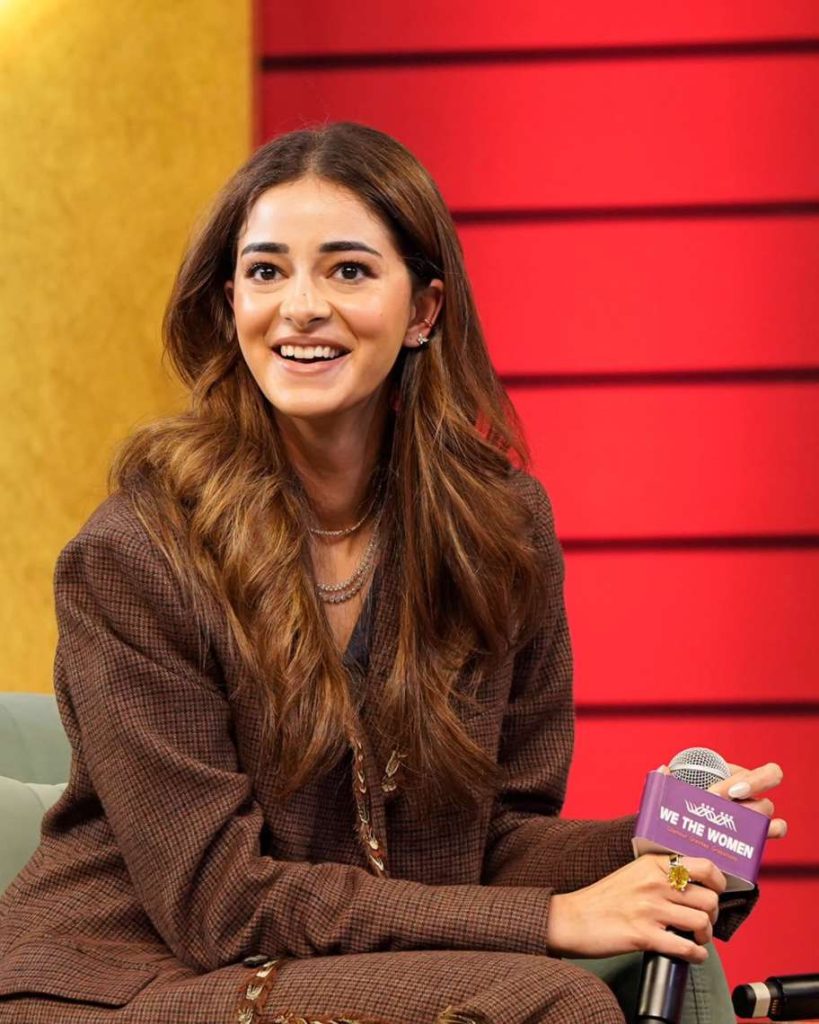
Actress Ananya Pandey was welcomed on stage with a huge applause. Ananya Panday represented a younger generation navigating an entertainment landscape transformed by social media and unprecedented public scrutiny. For young actors, the challenge is not simply to build a career but also to develop a distinct identity amid constant commentary, comparisons and expectations.
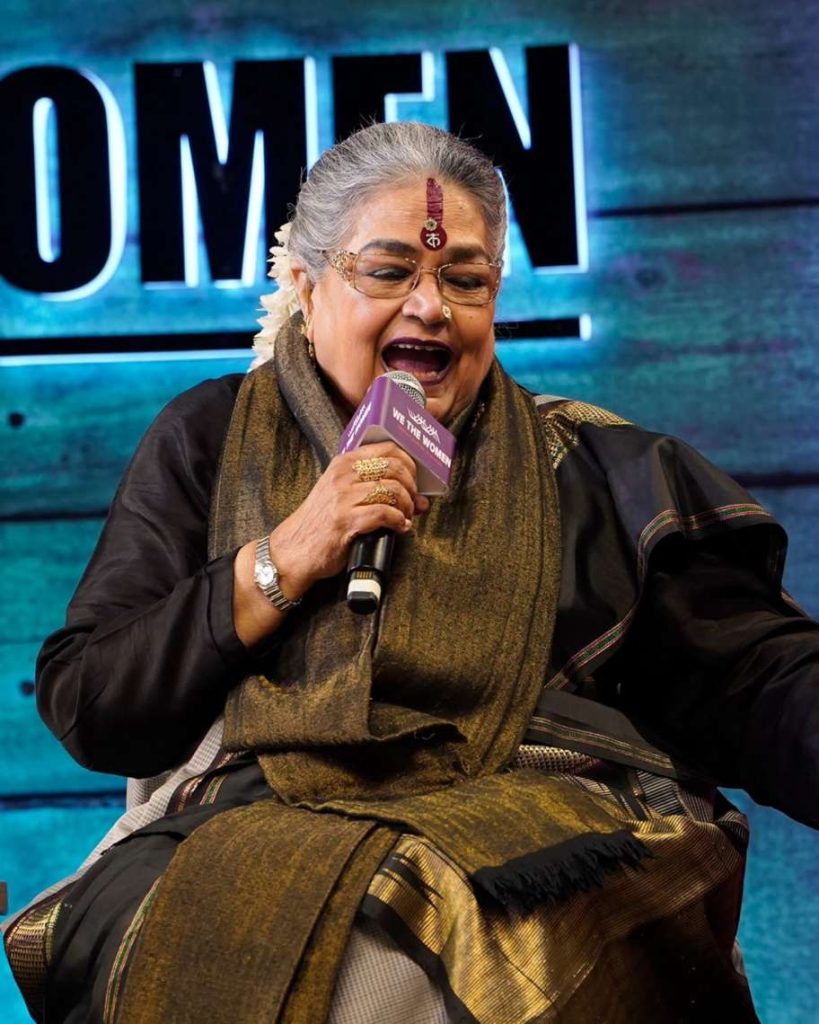
Singer Usha Uthup brought a particularly distinctive presence to the evening. A musical icon whose career has crossed generations, Uthup has built her identity by refusing to fit into conventional definitions of what a female performer should look or sound like.
Her unmistakable voice, individual style and longevity in the music industry make her an important example of a woman who has consistently followed her own path. Her journey speaks to the value of individuality and the courage required to remain authentic in an industry that frequently rewards conformity.
She sang for the audience even in Russian and spoke about her musical journey beyond Indian boundaries in countries such as Russia where her performances received a critical acclaim.
Her musical appearance was also a reminder that a changemaker need not always communicate through a speech. Uthup’s career demonstrates how originality, persistence and confidence can create a lasting place in popular culture. The audience sang along with her. The audience also included 200 students from different colleges with banners ‘Mumbai Dreams’ thus showing their support for the celebrated speakers and panelists.
The last but not the least, the one where the whole audience waited with bated breath was none other than the acclaimed Bollywood star Shahid Kapoor who was welcomed warmly by his fans and by Dutt herself. Kapoor stole the show with his charismatic and charming demeanour.
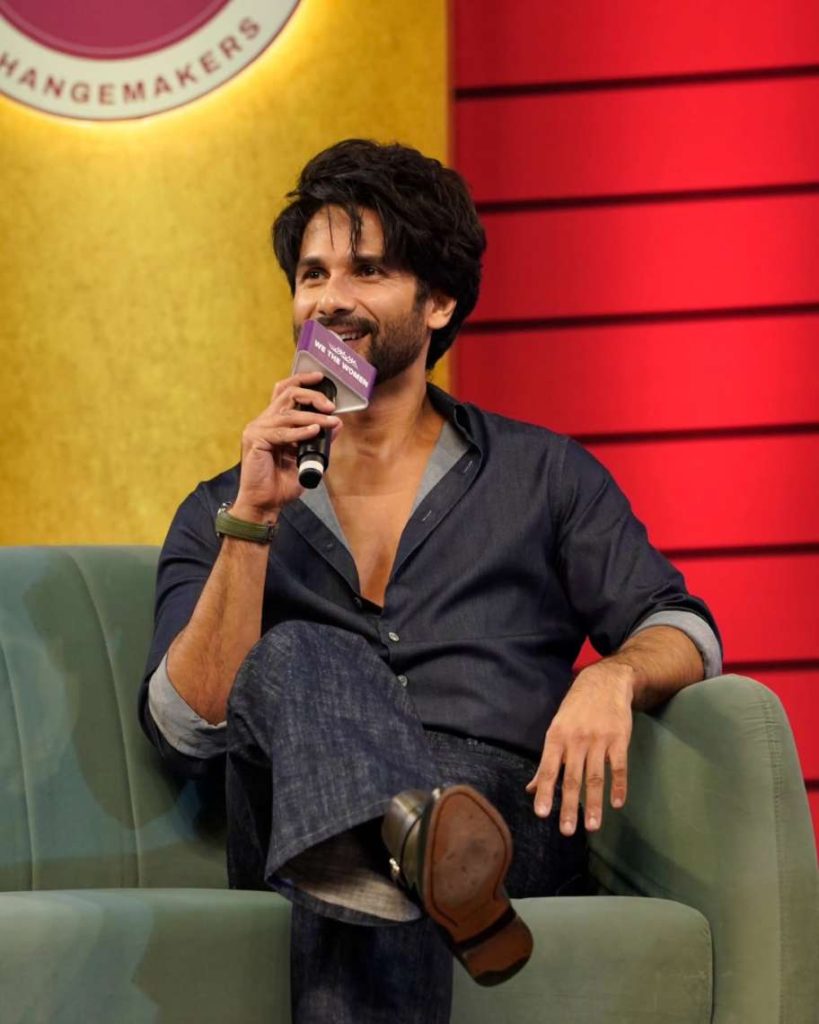
Shahid Kapoor represented a generation of actors who have continually negotiated the demands of mainstream cinema while seeking opportunities to experiment with their craft. His presence brought the discussion towards the changing nature of stardom, the expectations that accompany a successful film career and the importance of evolving as a performer.
The evening’s conversations taken together, highlighted how the idea of being a changemaker can take many forms. It may involve challenging the industry’s expectations, building an independent identity, using art to connect with people or simply remaining committed to one’s beliefs over the course of a long career.
While the celebrity conversations drew considerable attention, the larger significance of We The Women lay in its attempt to bring together people whose work and experiences represent different forms of courage.
Each and every guest was honoured with the Changemaker Award felicitated by the host Barkha Dutt.
Dutt had described the festival as a coming together of glamour, gravitas and grassroots voices. The day also carried a meaningful message through its association with Bharat Ke Veer. By directing ticket proceeds towards the families of fallen Central Armed Police Forces personnel, the festival connected its celebration of courage with a tangible gesture of support for those who have made the ultimate sacrifice in service of the country.
As the ninth Mumbai edition drew to a close, We The Women 2026 left behind a reminder that changemakers are not necessarily those who occupy the loudest public platforms. They are also those who speak about uncomfortable truths, challenge accepted norms, create opportunities for others and demonstrate resilience through their actions.Their expeiences brought about an awareness to the world and what it means to become a chanemaker.
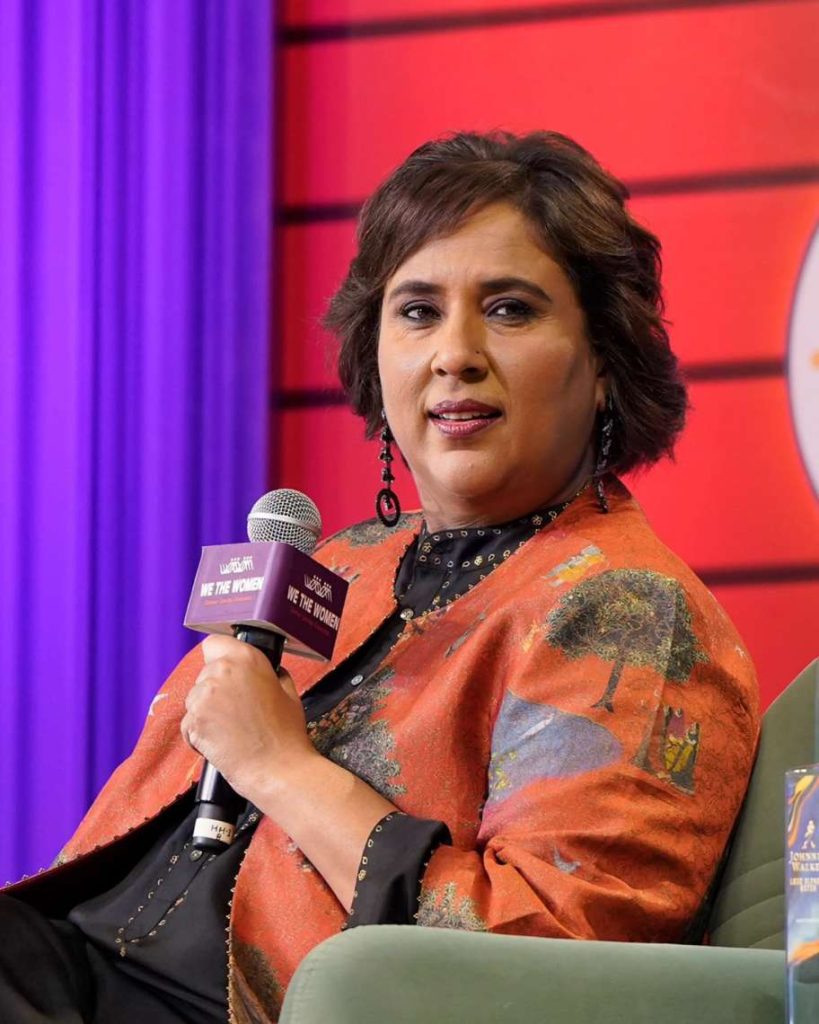
Barkha Dutt is a prominent Indian television journalist, author, and media entrepreneur best known for her frontlin . Dutt rose to national prominence in 1999 through her frontline reporting of the Kargil War between India and Pakistan. Over a career spanning nearly three decades, she has reported from major global conflict zones, including Kashmir, Afghanistan, Iraq, Libya, Egypt, and Israel. During a 21-year tenure at NDTV, she rose to become Group Editor and hosted flagship prime-time shows such as We the People and The Buck Stops Here.