October 15, 2021
4 mins read

‘Save Earth Instead of Travelling to Space’

Prince William, who is second in line to the throne, said great brains and minds should be “trying to repair this planet, not trying to find the next place to go and live”, reports Asian Lite News

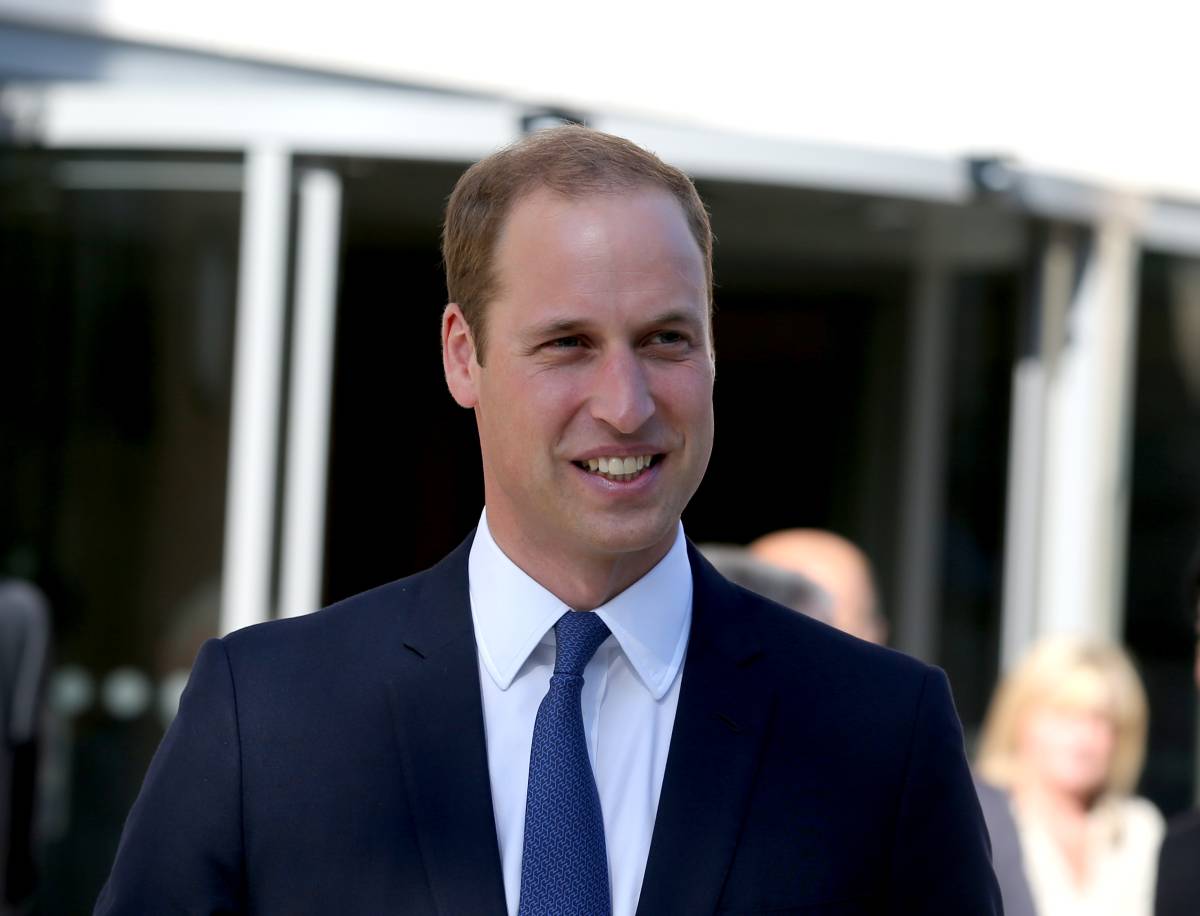
Duke of Cambridge, Prince William on Thursday slammed space tourism saying that entrepreneurs should focus on saving Earth rather than engaging in space tourism ahead of the UN Climate Change Conference (COP26).

William, who is second in line to the throne, was speaking ahead of the inaugural Earthshot Prize awards ceremony on Sunday, his initiative to honour those working on environmental solutions.

William warned world leaders against “clever speak, clever words, but not enough action.”

He said great brains and minds should be “trying to repair this planet, not trying to find the next place to go and live”, the BBC reported.

He also warned about a rise in “climate anxiety” among younger generations. William spoke to the BBC’s Newscast ahead of the first Earthshot Prize to reward those trying to save the planet.

The prize’s name is a reference to the “moonshot” ambition of 1960s America, which saw then-President John F Kennedy pledge to get a man on the moon within a decade.

His remarks came a day after 90-year-old “Star Trek” star William Shatner became a real space traveller on Blue Origin´s second crewed mission.

Shatner has broken the record of aviation pioneer Wally Funk, who, at 83, became the oldest person to have ever flown to space. The booster and capsule of the fully automated and reusable New Shepard rocket landed separately, with the capsule landing in the west Texas desert with the help of parachutes within minutes of their launch to space.

The company´s maiden human flight in July had included its founder Jeff Bezos of Amazon and was seen as a breakthrough for the emerging space tourism sector.

Earlier, UN Secretary-General Antonio Guterres said that the UN Climate Change Conference (COP26) in Glasgow, Scotland, next month must be a turning point for climate action.

“COP26 must be a turning point if we are to fulfill the promise of the Paris Agreement to limit global temperature rise to 1.5 degrees Celsius above pre-industrial levels, protect populations from the impacts of climate change and ensure that all financial flows are consistent with the goals of net-zero emissions and sustainable development,” he told the sixth ministerial meeting of the Coalition of Finance Ministers for Climate Action, in a video message, Xinhua reported.

With COP26 fast approaching, he said, he remained genuinely concerned over the lack of progress on these priorities.

The political package that must be delivered in Glasgow needs to contain at least three key elements: emissions reduction, financing for climate action in developing countries, and climate adaptation, he said.

“First, we must swiftly close the emissions gap. That means national pledges must collectively put us on track to reduce emissions by 45 per cent by 2030 compared to 2010 levels. And each country must be ready to update its climate commitments until we collectively get on track to reach the 1.5-degree objective,” he said.

Second, developed countries must close the finance gap by providing and exceeding the promised $100 billion a year to developing countries for climate action, he said. “And this is just a starting point. Beyond that goal, all financial flows, public and private, must align with a net-zero emissions and resilient development pathway.”

Third, Glasgow must deliver a breakthrough on adaptation. Climate disruption is already here, affecting ever more lives and livelihoods every year, especially among the most vulnerable. Building resilience and adapting must be a priority for all, said Guterres.


“I ask each of you in your national capacity and as shareholders of national and multilateral development banks to consider allocating half of all public climate finance in support of developing countries for adaptation. And I ask that you reconsider how you calculate gross domestic product. Nature’s resources still do not figure in countries’ calculations of wealth. We need nature-based solutions for adaptation and mitigation. The current system is weighted toward destruction, not preservation. Governments must reflect nature’s true value in all policies, plans and economic systems,” he said.

As COVID-19 and climate change pose new and unique challenges to low- and middle-income countries, he asked the finance ministers to revise eligibility thresholds for official development assistance to improve access to finance for those countries.

ALSO READ-Sharma to don dual role as Business Secretary and President – COP 26

READ MORE-India, UK set to announce ‘green grid’ at COP26 summit

Previous Story

China’s economic slowdown fuels anxiety across globe

Next Story

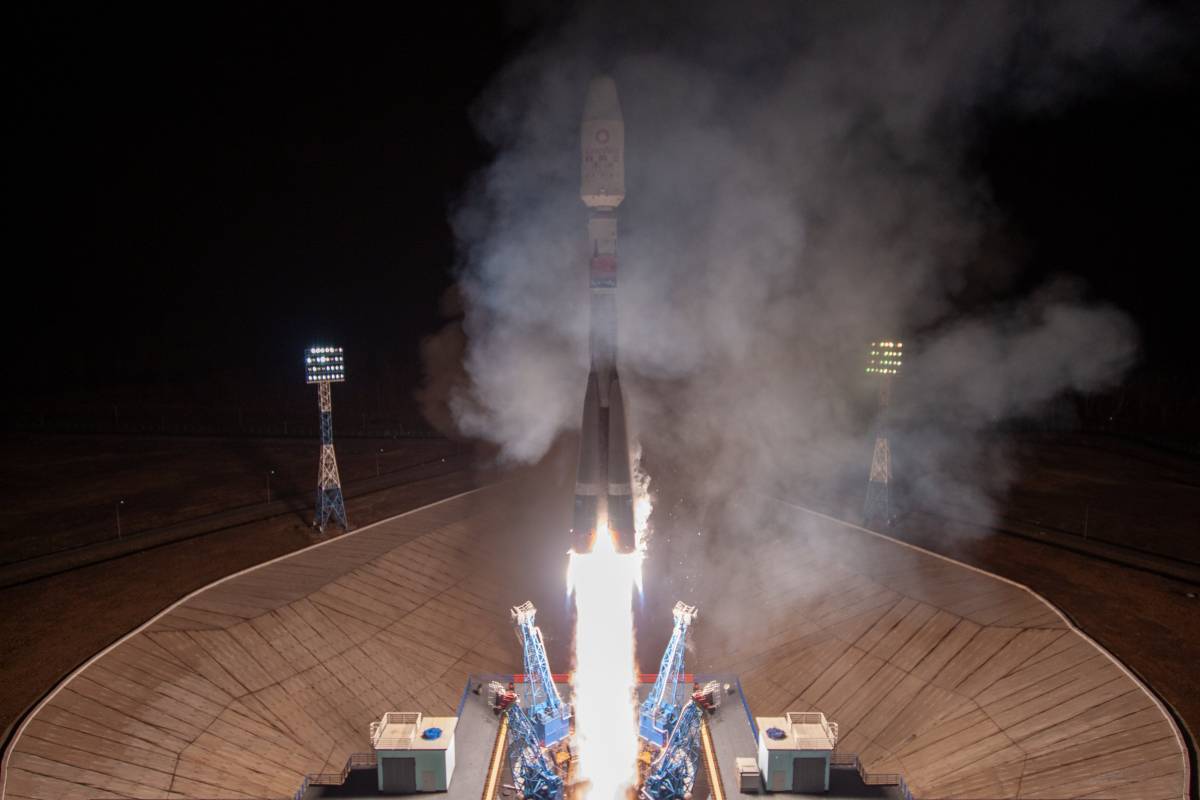
Russia launches 36 UK satellites into space

Previous Story

China’s economic slowdown fuels anxiety across globe

Next Story

Russia launches 36 UK satellites into space

Latest from -Top News

Pakistan Risks Overstretching Itself in Yemen War

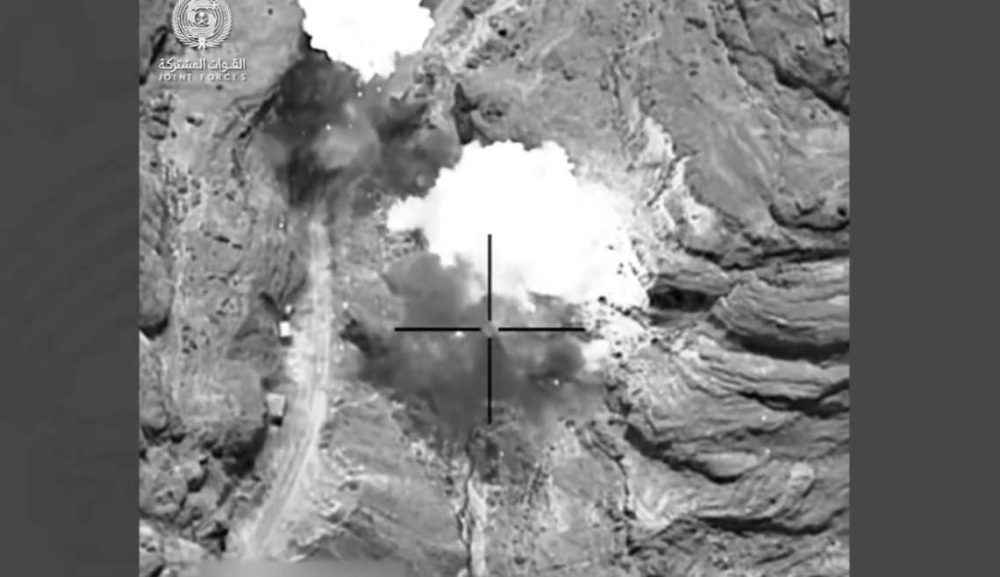
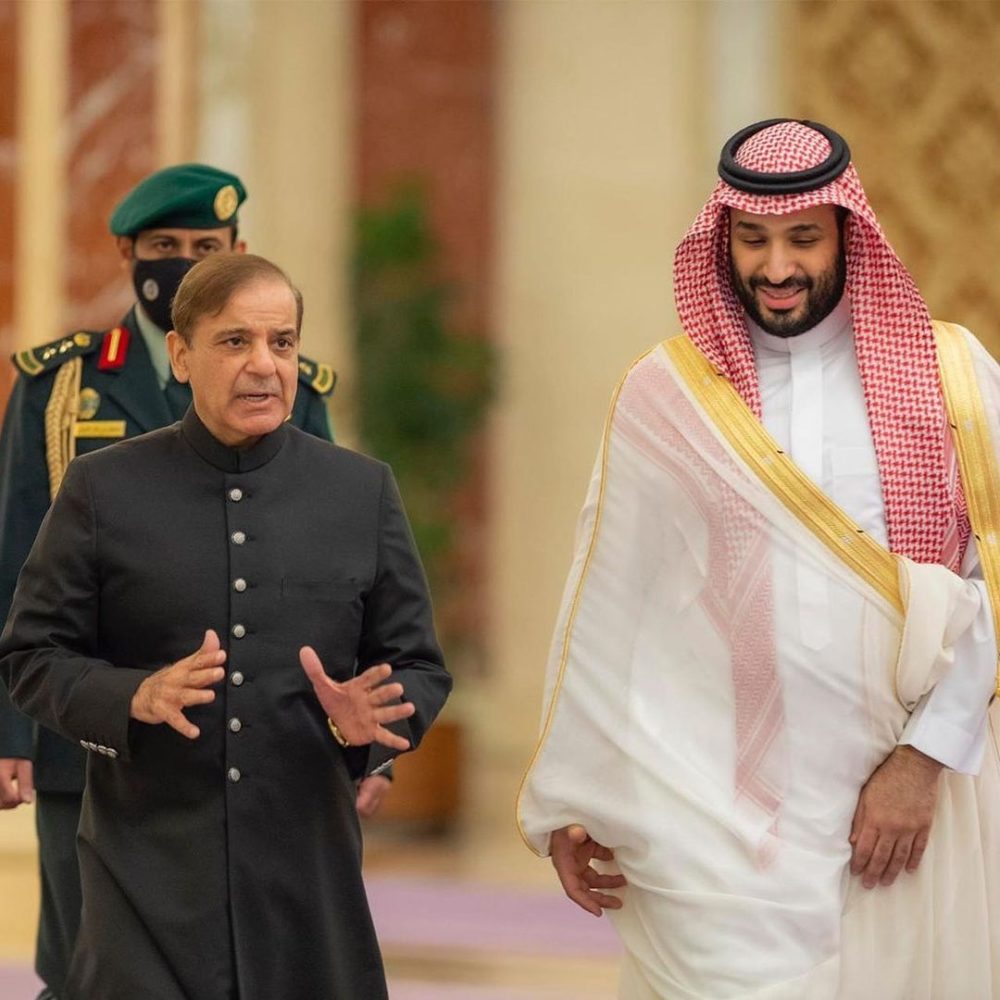
Pakistan’s expanding military role in Saudi Arabia amid the Yemen conflict could strain its defence resources and fragile finances…reports Asian Lite News Desk Pakistan’s military involvement in the war in Yemen may prove unsustainable because of mounting financial pressures and competing security demands, according to a new report. Islamabad’s growing military presence in Saudi Arabia risks stretching its defence resources while exposing the country to greater strategic and economic challenges. An article by Andrew Wilson in One World Outlook describes Pakistan’s involvement as a case of “fiscal and strategic overreach”, arguing that the country lacks the financial flexibility to sustain an expanded military commitment. Pakistan’s external finances depend heavily on an International Monetary Fund (IMF) programme, financial support from Gulf countries and remittances from Pakistani workers in the region. The report argues that deeper military involvement in the conflict could place additional pressure on these sources of financial stability. It also warns that deploying troops and military equipment abroad could weaken Pakistan’s capacity to address security challenges along its eastern border and deal with two domestic insurgencies. The move could also draw Islamabad into a conflict it has sought to approach cautiously. A Reuters report in May, citing Pakistani security and government sources, said Islamabad had deployed around 8,000 troops, a squadron of approximately 16 aircraft, mostly JF-17 fighter jets, two drone squadrons and a Chinese HQ-9 air-defence battery to Saudi Arabia. According to those sources, Riyadh was financing the deployment, with Pakistani personnel operating the equipment. The sources also said a confidential agreement contemplated the possibility of deploying up to 80,000 troops. Islamabad has not confirmed those figures, although it has acknowledged its military presence in Saudi Arabia, including the deployment of fighter jets at King Abdulaziz Air Base from April. The One World Outlook article argues that Saudi financial support can cover allowances and operating expenses but cannot easily replace military equipment needed elsewhere or resolve the political and strategic challenges of participating in the Yemen conflict. Pakistan’s defence budget is another concern. For the 2026-27 financial year, the federal government allocated PKR 3 trillion, or approximately $10.8 billion, to defence services. The allocation represents an 18 per cent increase from the original PKR 2.55 trillion provision and amounts to around 2.1 per cent of projected gross domestic product (GDP). Defence spending accounts for approximately 16 per cent of the federal government’s PKR 18.8 trillion expenditure. Military pensions are budgeted separately at PKR 822 billion, while debt servicing costs stand at approximately PKR 8 trillion, more than two-and-a-half times the defence allocation. The report argues that these competing financial obligations leave little room for additional military expenditure without placing further pressure on public finances. Pakistan’s reliance on IMF assistance also limits its fiscal flexibility. The country must meet the conditions attached to the programme, including a primary budget surplus target of 2 per cent of GDP and continued restraint on development spending. According to the article, these requirements make it difficult for Islamabad to finance an additional military commitment without compromising other budgetary priorities. Pakistan’s economic indicators offer limited reassurance. Economic growth for the 2025-26 financial year is estimated at between 3.6 and 3.7 per cent, while inflation reached approximately 10.3 per cent in September following an energy price shock. Foreign exchange reserves stood at around $21.5 billion at the end of September. Although this marks an improvement from the low levels recorded in 2023, the report notes that the reserves cover only a few months of imports. Financial assistance from Gulf partners remains central to Pakistan’s external stability. The article says Islamabad holds approximately $8 billion in Saudi deposits at its central bank. In July, the State Bank of Pakistan said Riyadh had extended the maturity of $5 billion in deposits to December 2028, easing the country’s immediate external financing requirements. A further $3 billion deposit was also extended in the spring. However, the article argues that these arrangements provide temporary relief rather than long-term financial independence, particularly as regional conflict threatens the stability of the Gulf economies on which Pakistan relies. The report concludes that Pakistan faces a difficult balance between supporting Saudi Arabia militarily and preserving the financial and military resources needed to address its domestic and regional challenges.
Go toTop

Don't Miss

Sharif Celebrates, Army Violates

Ironically, when Sharif was celebrating the ceasefire, the Pakistan Army

Johnson meets Adani, discuss cooperation

Johnson’s two-day visit to India will focus on stepping up